




A New Model For Lunar Exploration
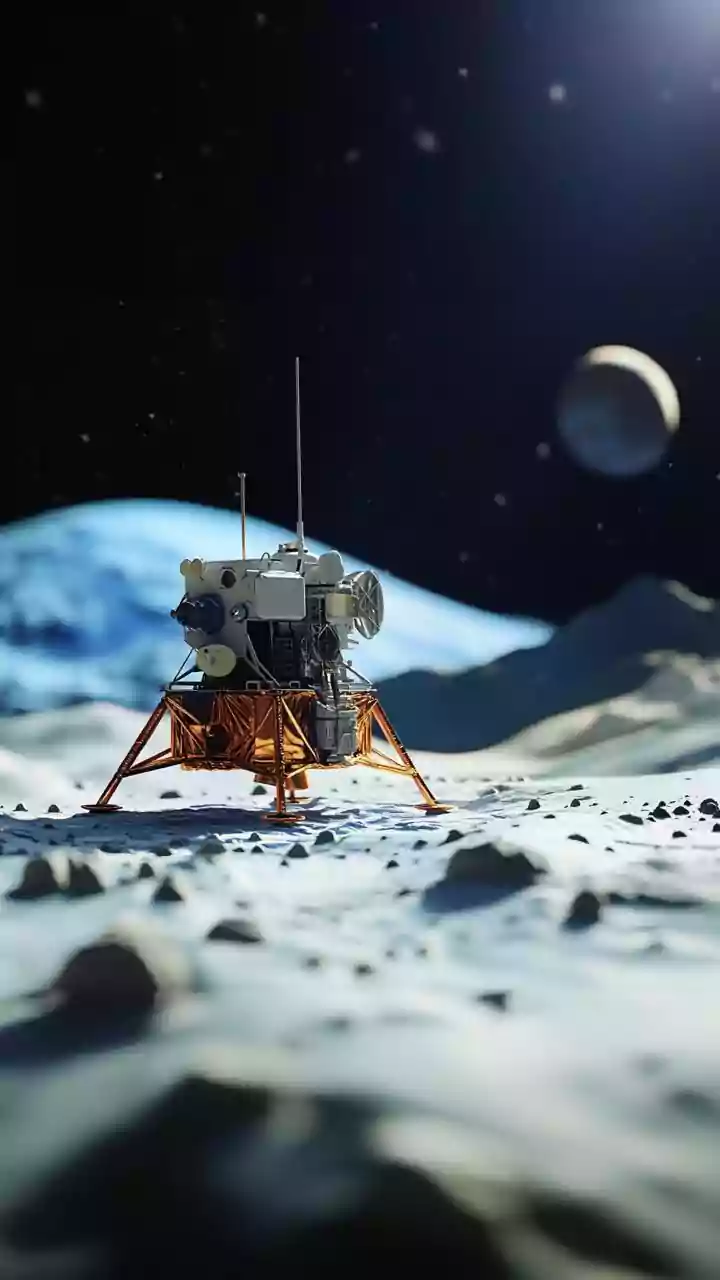
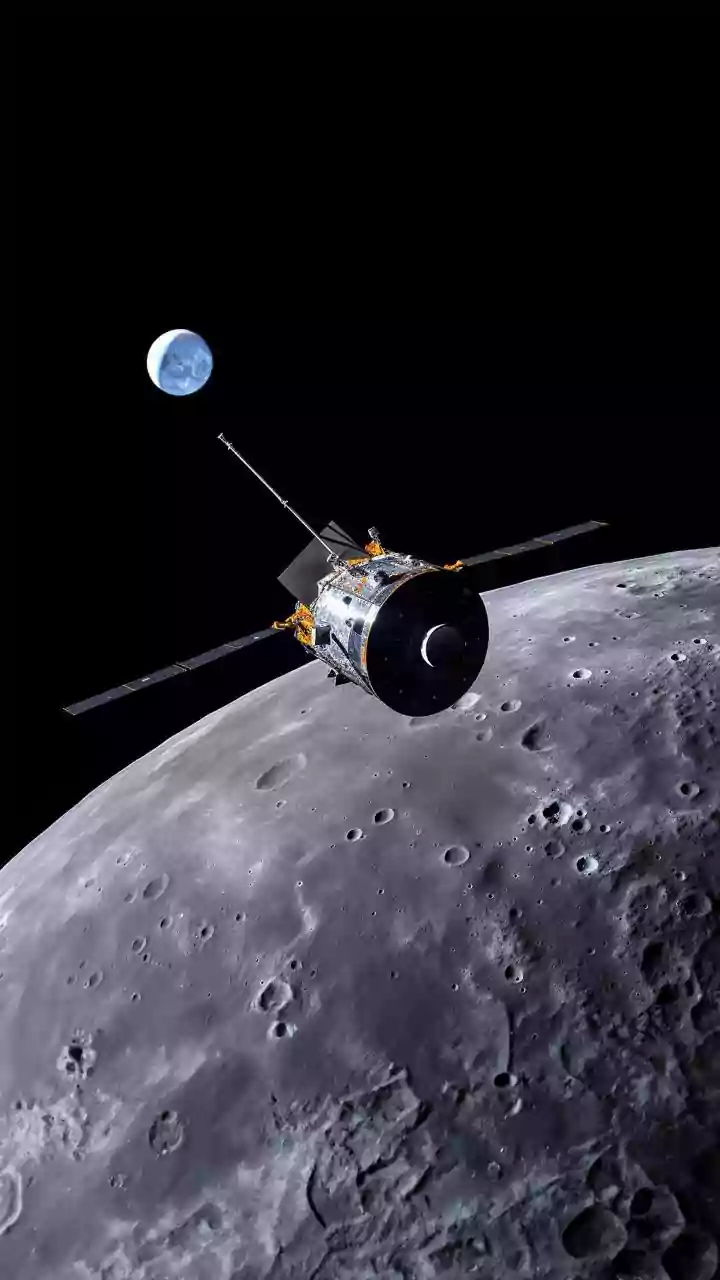
For decades, sending anything to another world was the exclusive domain of national governments. NASA's CLPS initiative changes that by creating a new marketplace for space exploration. Instead of building and operating its own lunar landers for robotic
missions, NASA is buying payload delivery services from a growing list of American companies. These companies, ranging from established aerospace giants to agile startups, are responsible for everything: the launch, the journey to the Moon, and the successful landing. This public-private partnership model is designed to accelerate the pace of lunar science, reduce costs, and foster a commercial space economy beyond Earth's orbit. By acting as an anchor customer, NASA is helping these companies develop the technology and experience to offer lunar delivery services to other clients in the future, from universities to other nations.
Scouting for Natural Shelters
One of the most exciting recent selections for a future CLPS mission is a suite of instruments called GIMLI (Geophysical Instruments for Marius Lunar pit Investigation). This payload is designed to explore the Marius Hills Pit, a large hole on the lunar surface that could be a 'skylight' into an ancient lava tube. These subterranean caverns, if they exist, could be a game-changer for long-term human settlement. They could provide natural, ready-made shelters protecting astronauts and equipment from harsh radiation, micrometeoroid impacts, and the extreme temperature swings found on the lunar surface. GIMLI will use ground-penetrating radar, seismic sensors, and gravity measurements to peer beneath the surface and determine if the pit opens into a larger, hidden cave.
Monitoring the Lunar Environment
To live on the Moon, we need to understand its environment in detail. The Lunar Environment Monitoring Station – South Pole (LEMS-SP) is an autonomous instrument suite selected by NASA to act as a long-term weather station. This payload will be designed to operate for an extended period, monitoring the seismic environment to detect 'moonquakes' and tracking the abundance of volatiles—materials like water that can easily turn into gas. It will also keep an eye on the radiation environment and the frequency of micrometeoroid impacts. This data is crucial for ensuring the safety of future Artemis astronauts and for designing habitats and equipment that can withstand the unique challenges of the lunar south pole, a region believed to be rich in water ice.
The All-Important Search for Water
The single most important resource for a future lunar base is water. Another recently selected instrument, the Depth Imager with Spectral and Color Optics (DISCO), is focused on this critical task. Scientists believe that water ice may be hidden in 'micro-cold traps'—small, permanently shadowed areas on the lunar surface where temperatures are low enough for ice to remain stable. DISCO is designed to look for these deposits. Finding accessible water ice would be revolutionary. It can be used for drinking water and breathable air, but it can also be split into hydrogen and oxygen, providing rocket propellant for missions deeper into the solar system. This would transform the Moon from a destination into a vital refueling and resupply station, making the entire solar system more accessible.
Building the Foundation for Artemis
Every CLPS mission is a crucial step in support of NASA's larger Artemis program, which aims to establish a sustained human presence on the Moon. These robotic missions are the scouts, mapping resources, testing technologies, and gathering scientific data that will inform how and where astronauts will land and live. The knowledge gained from these precursor missions directly contributes to the safety and success of crewed landings. By using commercial partners, NASA can send a steady cadence of payloads to the Moon, building a comprehensive understanding of the lunar environment far more quickly and affordably than ever before. This synergy between robotic and human exploration is the backbone of the plan to not just visit the Moon, but to stay.