


Every year, millions of animals embark on epic journeys, crossing continents and oceans with pinpoint accuracy. But how do they do it without a map or GPS? The answer lies in a remarkable 'sixth sense' that allows them to read an invisible force of nature.
Earth's Invisible Superhighway
Beneath our feet and all around us is a vast, invisible force field generated by our planet's molten core. This is Earth’s magnetic field, the same one that makes a compass needle point north. For certain animals, this field is not just a scientific curiosity; it's an intricate map and compass rolled into one. This ability is known as magnetoreception, a biological superpower that allows creatures from birds to sea turtles to perceive the planet's magnetic lines. They can sense not just the north-south direction but also subtle variations in the field's strength and angle of inclination. This gives them the equivalent of a GPS, providing both a direction to travel and a way to determine their approximate position on the globe.
A Quantum Compass in the Eye
One of the leading theories for how birds achieve this feat sounds like something from science fiction: they may literally 'see' the magnetic field. This idea, known as the radical-pair mechanism, suggests that a special protein in their retinas, called cryptochrome, is the key. When light enters the bird's eye, it triggers a quantum reaction in these proteins, creating a pair of molecules with electrons that are quantum-entangled. The Earth's magnetic field influences how these electrons behave, and this interaction could create a visual pattern, like a shadow or a filter, overlaid on the bird's normal vision. This pattern would change as the bird turns its head, effectively giving it a visual compass to stay on course. This light-dependent sense is thought to be most active in the blue-green spectrum.
An Internal Compass Needle
The other major theory is more mechanical. Scientists have discovered tiny particles of a naturally magnetic mineral called magnetite in the bodies of many migratory animals, including in the beaks of birds and the noses of trout. These particles are incredibly small, often just nanometers wide, but they are potent permanent magnets. The hypothesis is that these particles act like the needle of a microscopic compass. As the animal moves, these magnetite crystals try to align themselves with the Earth's magnetic field, pulling or pushing on sensitive nerve cells connected to them. This physical tug would send signals to the brain about the animal’s orientation relative to the magnetic field, providing a constant sense of direction.
Nature's Ultimate Navigators
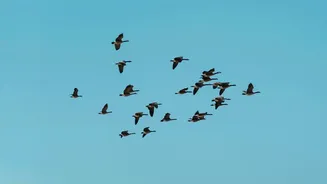
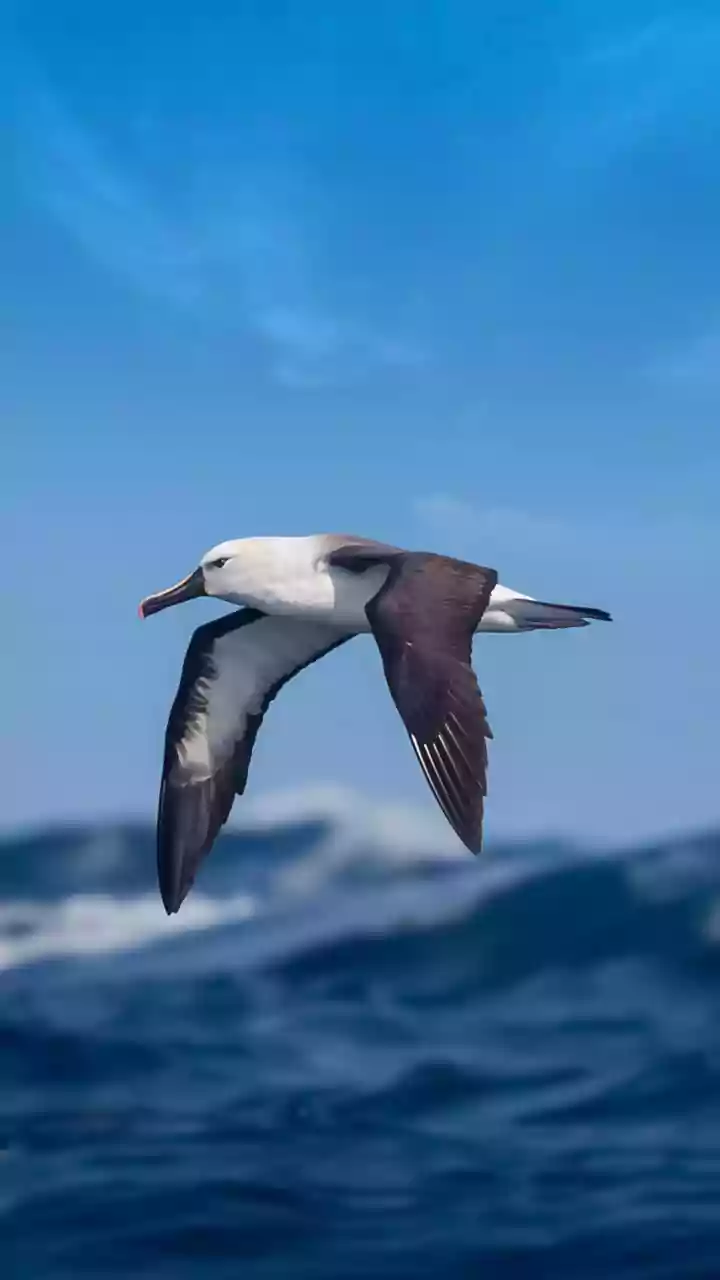
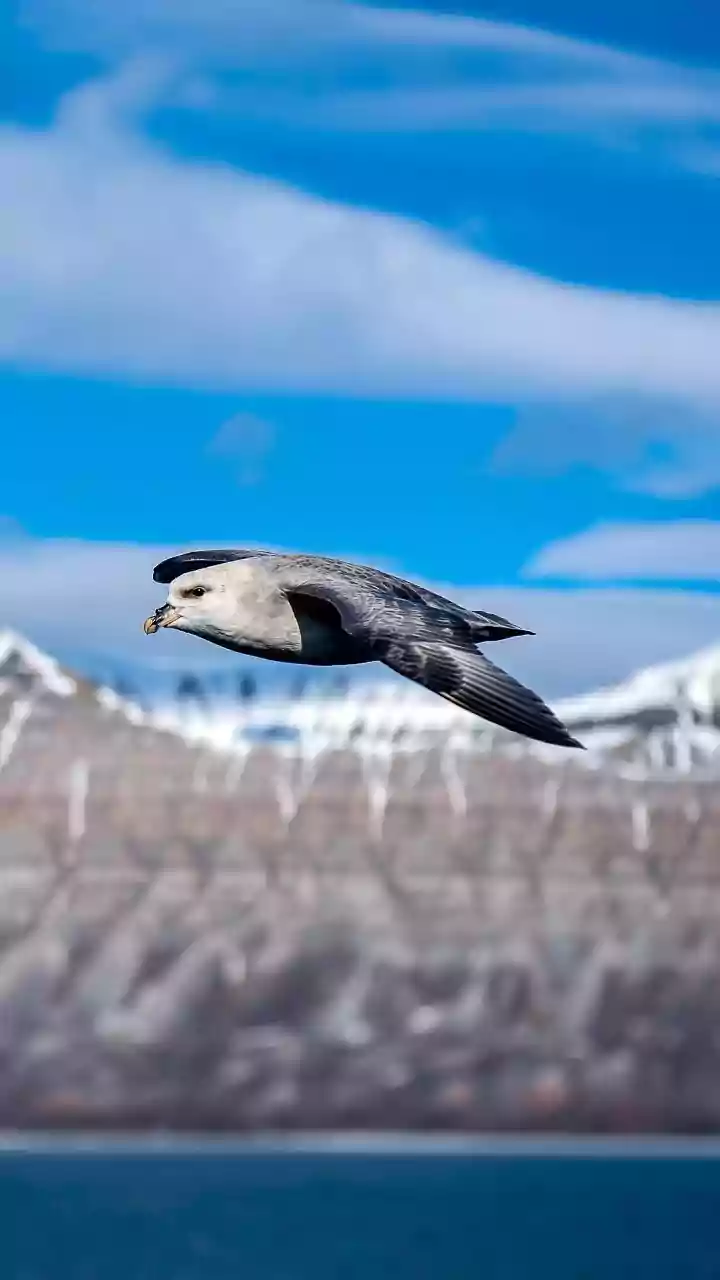
While the exact mechanisms are still being intensely researched, the list of animals known to use magnetoreception is long and diverse. Sea turtles are famous for it, with hatchlings seemingly imprinting the magnetic signature of their birth beach so they can navigate thousands of kilometres across the ocean and return years later to lay their own eggs. Salmon use it to find their way from the vast ocean back to the specific river where they were born. Many species of migratory birds, from tiny songbirds to Arctic terns that travel from pole to pole, rely on this sense for their incredible journeys. Even lobsters, fish, and some insects like monarch butterflies appear to possess this extraordinary navigational tool.
More Than Just One Sense
It's important to remember that magnetoreception rarely works in isolation. Animals are master integrators of information. A migratory bird, for example, uses its magnetic compass alongside the position of the sun during the day and the stars at night. They also use visual landmarks like coastlines and mountain ranges. Some scientists believe birds may even use two different magnetic senses: a quantum compass in the eyes for direction, and a magnetite-based map sense for location. For a sea turtle, magnetic cues might guide it across the open ocean, while its sense of smell takes over to find its specific home beach. This layered approach creates a highly robust and flexible navigation system that is difficult to disrupt.