







From Farm Waste to Urban Sanctuary
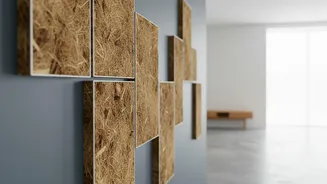
At its core, a straw panel is exactly what it sounds like: a rigid board made from the compressed stalks of grains like wheat or rice left over after a harvest. Instead of being treated as waste, this agricultural byproduct is given a new purpose. The
manufacturing process is brilliantly simple and effective. Straw is subjected to intense heat and pressure, which causes the lignin—a natural polymer within the straw—to act as a binding agent, fusing the fibres together. The result is a dense, solid panel that is surprisingly robust. Some manufacturers produce these panels with no added chemicals or adhesives, creating a building material that is as natural as the fields it came from. This transforms an overlooked resource into a high-performance product perfect for modern construction.
The Science of Superior Soundproofing
So, how does a panel made of straw silence the sounds of the city? The secret lies in its density and fibrous structure. Unlike rigid materials that can vibrate and transmit sound, the complex matrix of compressed straw is exceptionally good at absorbing sound energy and stopping it from passing through. Studies and real-world applications show that straw-based walls can achieve a significant reduction in noise, with some systems cutting sound by more than 50 decibels. This makes them highly effective for insulating against both airborne noise, like conversations and television sounds, and the low-frequency rumble of traffic. The acoustic performance is often comparable or superior to many conventional insulation materials, making it an ideal choice for creating quiet, peaceful interiors in otherwise bustling apartment buildings.
A Champion of Sustainability
The environmental credentials of straw panels are where they truly shine. First, they are made from a rapidly renewable resource that is often considered agricultural waste. Using it for construction prevents it from being burned, which releases carbon into the atmosphere. Second, the embodied energy—the total energy required to produce the material—is remarkably low. Growing straw uses the sun's energy, and the manufacturing process is far less intensive than that for materials like concrete or synthetic insulation. Furthermore, straw actually sequesters carbon, meaning the panels lock away carbon dioxide that the plants absorbed during growth, effectively creating a carbon-negative building material. At the end of a building's life, these panels are also biodegradable, completing a truly circular, eco-friendly lifecycle.
Real-World Considerations
Naturally, practical questions arise. What about fire, pests, or moisture? Manufacturers treat the compressed panels to be highly fire-resistant; when exposed to flame, the dense material tends to char rather than ignite, preventing the spread of fire. The high density and lack of nutritional value also make them unappealing to pests. Moisture is the most critical factor to manage. Like any natural building material, straw panels must be kept dry to prevent rot or mould. This requires proper design and installation with protective cladding and membranes to shield the panels from water. While they may sometimes have a higher upfront cost than basic drywall, the long-term benefits of superior acoustic and thermal insulation, coupled with their environmental advantages, present a compelling value proposition for conscious consumers.