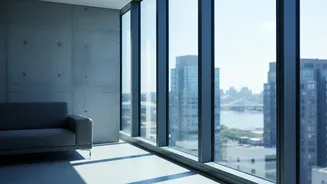



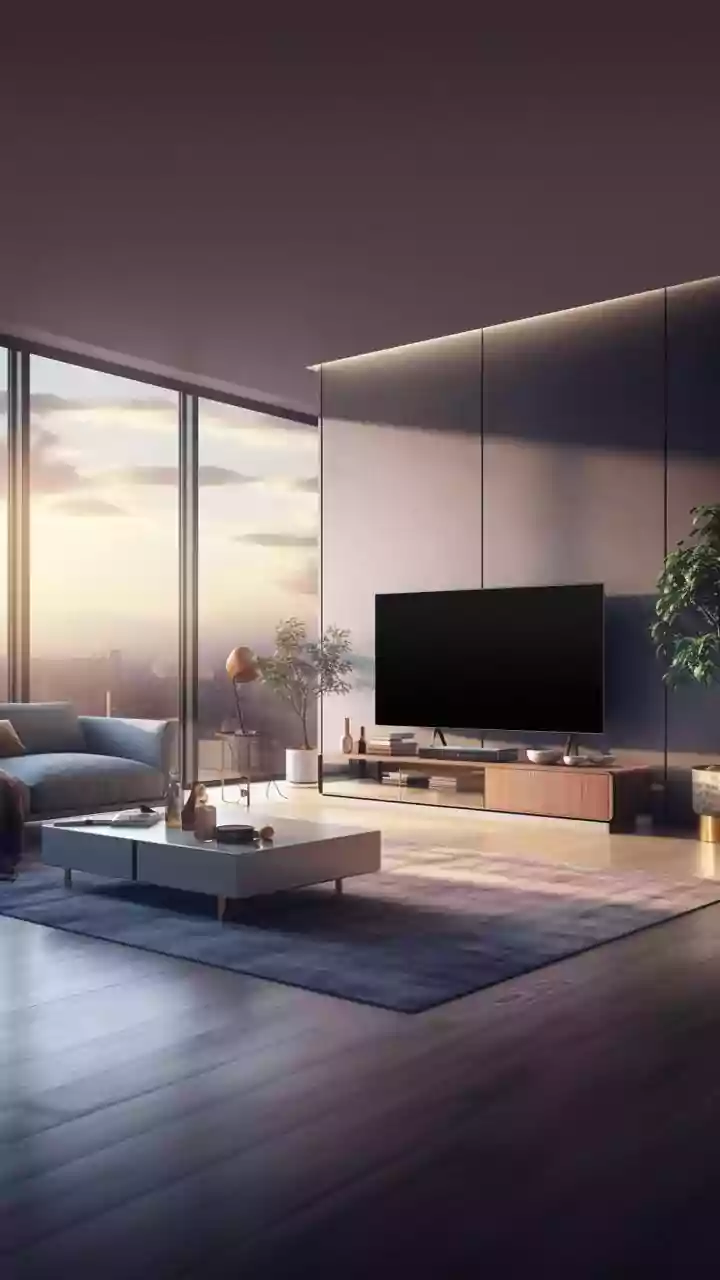


What Are Thermo-Responsive Coatings?
Imagine sunglasses for your home that automatically darken in the bright sun. That’s the basic idea behind thermo-responsive window coatings, also known as thermochromic coatings. These are advanced materials applied to glass that react to temperature.
When the sun beats down and the window pane heats up, the coating activates, changing its properties to block heat-carrying infrared rays. As the temperature drops, the coating returns to its clear state, allowing natural light and warmth to pass through. This technology is passive, meaning it works automatically without any wires, electricity, or manual controls. Unlike traditional tinted films that are permanently dark, these smart coatings adapt to the weather, providing heat rejection only when you need it most.
The Science of a Cooler Room
The magic lies in specialised materials, most commonly Vanadium Dioxide (VO2), which are integrated into a film or a laminate layer within the window glass. In cooler temperatures, this material acts as a semiconductor, allowing both visible light and solar heat to pass through freely. However, when the glass surface reaches a certain transition temperature — often set around 21-29°C — the material undergoes a structural change. It shifts to a metallic state that reflects infrared radiation (the heat you feel from the sun) while still permitting visible light to illuminate the room. This means you can keep your view and natural daylight without suffering the accompanying heat gain, a major advantage for urban apartments where space and light are at a premium.
Key Benefits for Indian Homes
The most significant advantage is a dramatic reduction in solar heat gain, which can keep indoor spaces noticeably cooler during India's intense summers. This directly translates into lower reliance on air conditioning, leading to substantial energy savings and reduced electricity bills. Beyond cooling, these coatings block over 99% of harmful UV radiation, protecting your skin, furniture, curtains, and artwork from fading and sun damage. They also reduce glare, making homes more comfortable for work and relaxation during the day. Because the technology is often incorporated into a laminated glass unit, it can offer the additional benefits of improved safety and noise reduction from bustling city streets.
Practical Considerations: Cost and Availability
Thermo-responsive technology is still an emerging and premium solution. It is different from the more common PDLC (Polymer Dispersed Liquid Crystal) smart films, which require electricity to switch from frosted to clear for privacy. True thermochromic films that react to heat are less widespread but are becoming available. Some companies in India offer advanced nano-ceramic window films that provide excellent heat and UV rejection without the dynamic tinting feature. Costs for smart window films can vary widely, with PDLC films often priced per square foot. While a full thermochromic window replacement is a significant investment, film-based applications can be a more accessible retrofit option. It's essential to compare this technology with high-performance Low-E (Low-Emissivity) glass, which also reflects heat but does not change its tint.
The Future of Smart Windows
As urban centres continue to grapple with rising temperatures, passive cooling technologies like thermo-responsive coatings are becoming increasingly important. Researchers are constantly working to improve their performance and lower costs. Some next-generation designs are even exploring how these windows can simultaneously block heat and generate small amounts of electricity, turning buildings into active energy savers. For the average homeowner, this technology represents a shift from static building materials to dynamic, responsive systems that actively contribute to a more comfortable and sustainable living environment. It’s a glimpse into the future of home design, where our houses work smarter, not just harder, to keep us comfortable.