






The Science of Scent and Temperature
A significant part of what we perceive as 'taste' is actually smell. When food is heated, its aromatic compounds become more volatile, meaning they evaporate and travel to our noses more easily. [4, 15] This is why a hot-off-the-stove halwa smells so
much more fragrant than a cold one. [8] Rainy weather enhances this effect. The high humidity in the air during a monsoon helps to carry these odour molecules, making the scents even more potent. [4] Furthermore, our taste receptors for sweetness are highly sensitive to warmth. A specific channel in our taste buds, known as TRPM5, sends a stronger signal to the brain when food is warm, amplifying the perception of sweetness. [6, 17] This means the mithai isn't just psychologically more satisfying; it is, quite literally, tasting sweeter to your brain.
Your Body’s Quest for Warmth and Energy
There's a biological reason behind your craving. When it rains, the ambient temperature drops, and your body has to work harder to maintain its core temperature. [3] This process requires energy, and your brain instinctively signals a need for energy-dense foods. [3, 13] Mithais, rich in carbohydrates and sugars, are a rapid source of glucose, which the body can quickly convert into heat and energy. [3, 18] This isn't just indulgence; it's a primal survival instinct left over from our ancestors, whose bodies were programmed to seek out high-calorie foods to stay warm and fuelled during colder periods. [3] So, when you reach for a warm, sugary sweet, you're responding to a fundamental biological cue to keep your body warm and content.
The Psychology of Comfort and Nostalgia
Gloomy weather can have a real impact on our mood. Shorter, darker days can affect serotonin levels, the neurotransmitter linked to feelings of happiness and well-being. [5, 10] Comfort foods, particularly those high in carbs, can help boost serotonin production, providing a genuine feeling of calmness and relaxation. [5, 18] Beyond the brain chemistry, warm mithais are deeply tied to nostalgia and positive memories. [10] For many, these sweets evoke feelings of childhood, family celebrations, and being cared for. [5] The brain associates these specific foods with emotional safety and security, making them a powerful tool for alleviating loneliness or boosting positive thoughts on a dreary day. [18] The ritual itself—sharing a warm treat indoors while it rains outside—contributes to the overall comforting experience. [3]
A Deep-Rooted Cultural Tradition
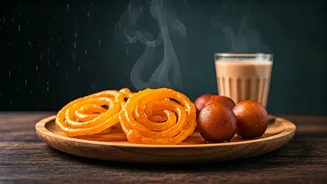
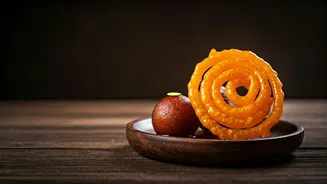
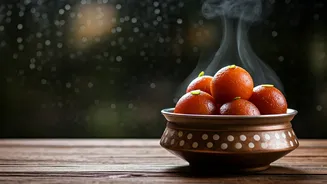
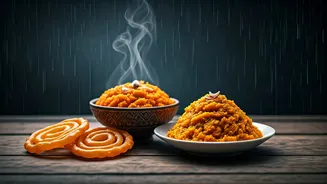
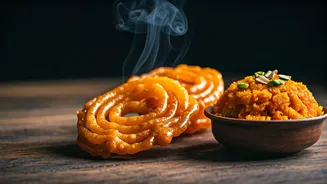
The connection between rain and specific foods is woven into the fabric of Indian culture. [7, 8] The monsoon season has its own culinary traditions, and sweets play a starring role. [2, 14] Across the country, certain mithais are almost synonymous with rainy days. Think of piping hot jalebis, often paired with milk; warm gulab jamuns soaking in fragrant syrup; or a rich, ghee-laden gajar ka halwa. [7, 8, 9] Festivals like Teej and Raksha Bandhan, which often fall during the monsoon, have their own associated sweets like Ghevar, further cementing this connection. [2, 8] These aren't just random cravings; they are shared cultural experiences passed down through generations, making the act of eating a warm mithai in the rain a comforting and familiar ritual. [9]