


The Earth Shakes: Understanding Earthquakes
An earthquake is a sudden, violent shaking of the ground caused by movements deep within the Earth's crust. It’s a purely geological event. The planet's surface is made of tectonic plates that are constantly, slowly shifting. When these plates get stuck
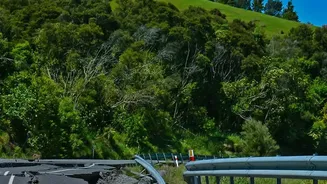
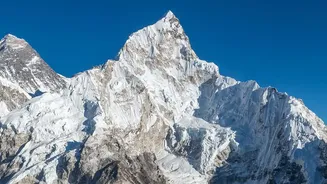
and then suddenly slip past one another, they release a tremendous amount of energy in the form of seismic waves. In mountainous regions like the Himalayas, this shaking can be catastrophic. Beyond collapsing buildings, earthquakes can trigger secondary disasters. They can cause massive landslides that tumble into rivers, creating temporary dams. When the water pressure builds up behind this natural dam, it can burst, causing a devastating flash flood downstream known as a Landslide Dam Outburst Flood (LDOF). The key factor here is the abrupt, unpredictable nature of the ground's movement. An earthquake is a trigger, a violent shove that destabilizes the landscape in an instant.
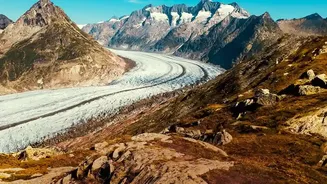
The Ice Melts: Explaining Glacial Collapse
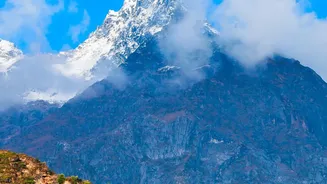
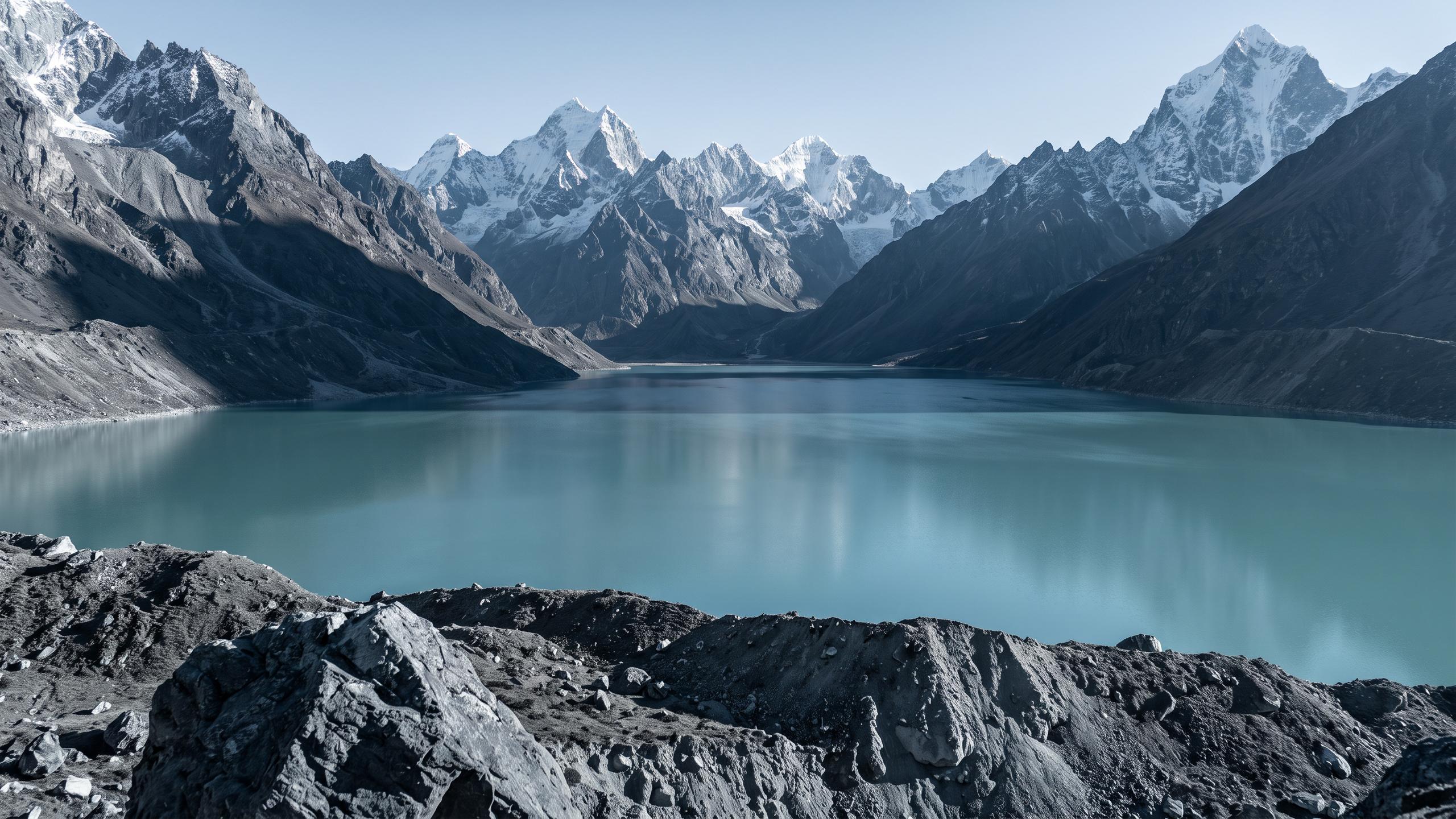
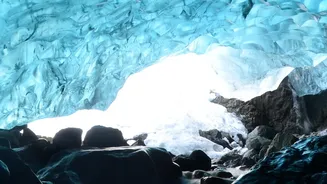
A glacial collapse is not a single, sudden event like an earthquake but rather the result of a longer process driven by a warming climate. As global temperatures rise, glaciers in the Himalayas are melting at an accelerated rate. This meltwater often pools into vast lakes, held back by unstable dams made of moraine—piles of rock, sediment, and ice left behind by the retreating glacier. These natural dams are fragile. A Glacial Lake Outburst Flood (GLOF) occurs when this dam fails. The trigger for the failure can be an ice avalanche falling into the lake, creating a massive wave that overtops the dam, or simply the immense pressure of the growing body of water causing the dam to burst. Unlike an earthquake, which is a tectonic event, a GLOF is a direct consequence of climate change turning frozen water reserves into a downstream threat.
Source and Speed: The Core Differences
The fundamental difference lies in their origin and timeline. An earthquake is a tectonic event originating underground, its impact measured in seconds of shaking that can trigger other events. In contrast, a GLOF is a hydro-meteorological event driven by climate change, developing over months or years as a glacier melts and the lake behind it grows. The recent, tragic flash floods in Nepal on August 26, 2026, illustrate this complexity. Initial reports were confused, with some suggesting an earthquake. However, further analysis indicated that the seismic signals detected were likely caused by a massive ice and rock avalanche hitting the ground, which then triggered the flood—not a tectonic earthquake. An earthquake is a sudden snap. A GLOF is a pressure build-up, a slow-motion disaster that reaches a tipping point. This distinction is crucial for how we prepare and respond.
How They Both Cause Floods
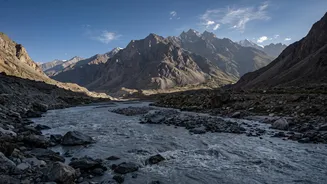
Both phenomena can lead to terrifyingly powerful floods, but the mechanics differ. An earthquake-induced flood often happens when a landslide blocks a river. The water that builds up is typical river water, but its release is sudden and violent. A GLOF is different. It unleashes the entire volume of a high-altitude lake in a single, catastrophic event. This isn't just water; it's a slurry of water, ice, mud, and boulders that scours the valley, often with a force far greater than a normal flood. The flood from a GLOF has immense erosive power, gathering more debris and growing in destructive capacity as it thunders downstream. This was evident in the August 2026 Nepal floods, which destroyed hydropower projects, roads, and entire villages along the Bhotekoshi and Trishuli rivers.
Why The Distinction Matters for Nepal
For a country as geographically vulnerable as Nepal, understanding the difference is a matter of life and death. The strategies for mitigation and early warning are entirely different. Preparing for earthquakes involves creating and enforcing strict building codes, conducting public drills, and having seismic sensors. While prediction is impossible, the focus is on resilience during and after the shaking. Preparing for GLOFs, however, involves actively monitoring the mountains. Scientists use satellite imagery and on-site surveys to track the growth of glacial lakes. In some cases, engineering projects can be undertaken to carefully drain high-risk lakes to relieve pressure. Early warning systems for GLOFs involve placing sensors that can detect a dam breach and alert downstream communities, giving them precious minutes to evacuate. For Nepal and neighboring regions in India, which share the Himalayan ecosystem, recognizing that some flood threats are building slowly over years allows for proactive measures that are simply not possible with the instantaneous threat of an earthquake.