

The Season of Fresh Starts
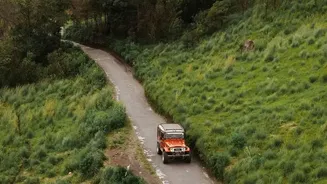
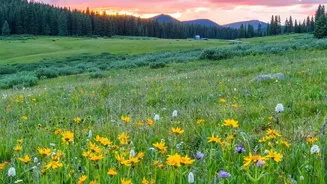
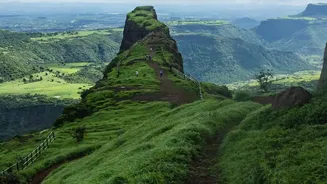
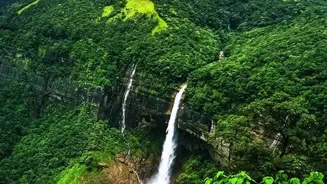
There's a unique appeal to post-monsoon travel in India that's hard to replicate at any other time of year. After months of rain, the entire subcontinent seems to exhale. The air is cleaner, the dust has settled, and a vibrant, almost electric green carpets
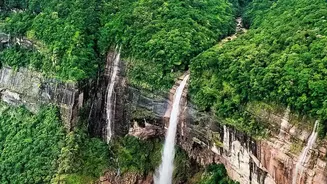
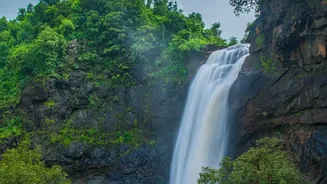
the landscapes. This is when waterfalls, rejuvenated by the rains, are at their most powerful, and rivers and lakes are full. This transformation creates a stunning backdrop for any trip, turning familiar places into something new and magical. It’s a sensory experience—the smell of wet earth, the sight of misty hills, and the feel of cooler, fresher air make it an ideal time to reconnect with nature.
A Perfect Weather Window
The period immediately following the monsoon offers a sweet spot in terms of weather. The heavy, persistent downpours give way to clearer skies and more predictable, pleasant temperatures. It’s a comfortable transition before the peak winter chill sets in across the north or the intense heat returns to the south. This makes it an ideal time for outdoor activities that might be difficult during the peak of summer or monsoon. Whether it’s trekking in the hills, exploring ancient ruins, or simply enjoying a walk, the climate is on your side. Furthermore, this season often sees fewer crowds than the peak tourist months of December and January, offering a more relaxed experience and often better value for money.
Mountain Escapes Reimagined
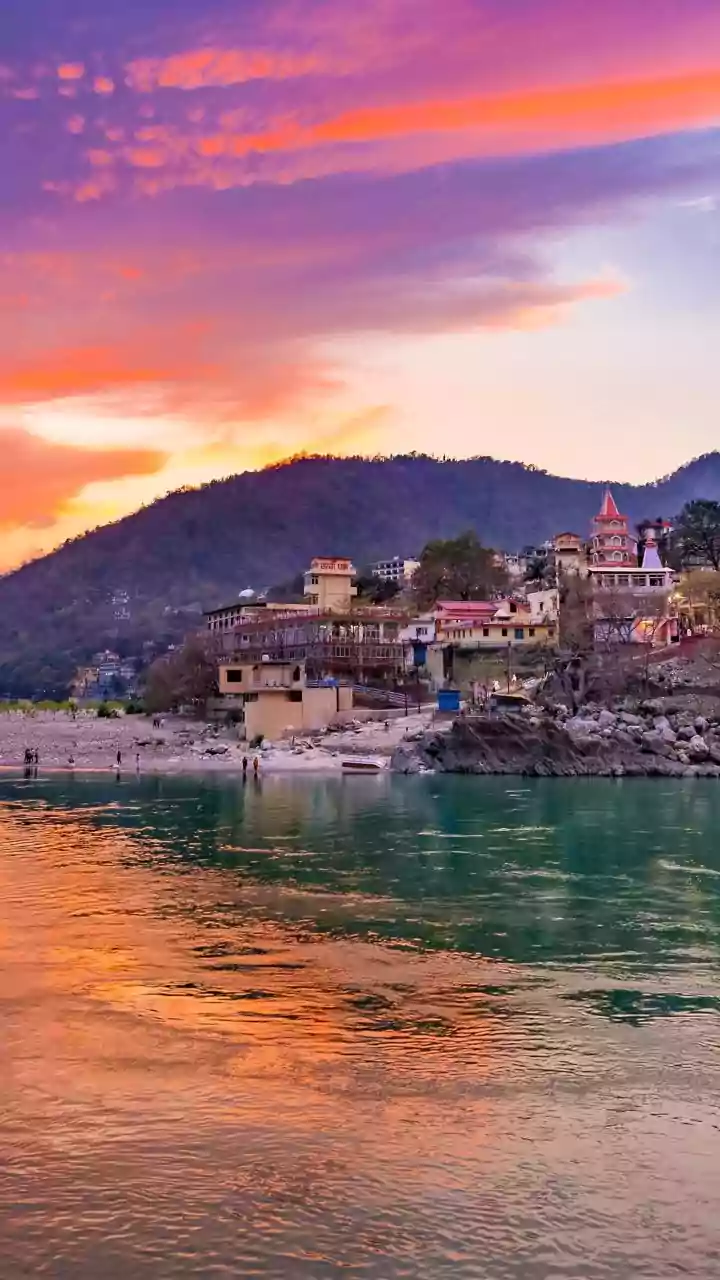
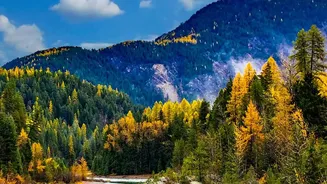
Hill stations take on a special charm after the rains. In places like Munnar in Kerala, Coorg in Karnataka, and Darjeeling in West Bengal, the tea and coffee plantations become incredibly lush and photogenic. The Western Ghats, in destinations like Lonavala and Mahabaleshwar, are cloaked in mist and greenery. In the Himalayas, the post-monsoon window means trekking trails in states like Uttarakhand and Himachal Pradesh are once again accessible, surrounded by freshly washed forests of pine and deodar. Even a high-altitude desert like Ladakh offers a unique experience in September, with clearer skies and fewer tourists before the harsh winter sets in.
Coastal Charms and Cultural Trails
It's not just the mountains that shine. Coastal destinations like Goa and the backwaters of Kerala are transformed. In Goa, the landscape is vibrantly green, the beaches are quieter, and the focus shifts to exploring the lush hinterland with its spice plantations and waterfalls. In Kerala, a houseboat cruise on the replenished backwaters offers a serene and picturesque journey through refreshed lagoons. This season also marks the beginning of India’s festive calendar. Travelling to culture-rich states like Rajasthan or Madhya Pradesh means you can explore majestic forts and temples like those in Udaipur or Khajuraho in comfortable weather, often coinciding with the vibrant energy of festivals like Dussehra.
The Rise of the Micro-Cation
The growing popularity of post-monsoon travel is also tied to a larger shift in how Indians take holidays. Instead of one long annual vacation, many are opting for several shorter breaks or 'micro-cations' throughout the year. Recent travel data shows a significant increase in searches for domestic trips during the monsoon and post-monsoon months. This trend is driven by a desire for more spontaneous, experience-led travel that fits around busy schedules. Travellers are increasingly seeking out non-metro destinations to enjoy nature and local culture at a slower pace, making this season a perfect fit for a quick, rejuvenating weekend getaway.