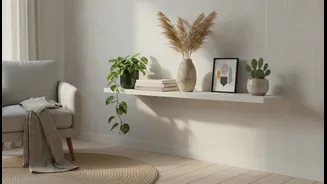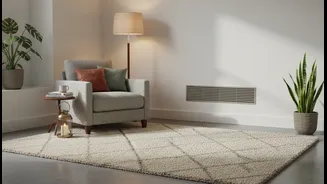








The Unseen Element of Comfort
Before you choose a plush armchair or a soft throw, consider the air. In our warm and often humid climate, poor ventilation doesn't just mean a room feels warm; it leads to a stuffy, stagnant environment. Without good airflow, indoor pollutants from cooking
fumes, cleaning products, and even furniture can accumulate. This can contribute to everything from musty smells and condensation to the growth of mould and mildew, which can aggravate allergies and respiratory issues. A gentle, consistent breeze, on the other hand, whisks away stale air, controls humidity, and promotes a sense of freshness and well-being. This feeling of fresh, moving air is a foundational layer of comfort that makes any corner feel genuinely inviting and restorative, not just visually cosy.
Strategic Placement and Layout
The location of your cosy corner is paramount. The most effective strategy is to position it to take advantage of natural cross-ventilation. This means placing your nook where air can flow from an entry point, like a window or balcony door, across the room to an exit point on an opposite or adjacent wall. Avoid tucking your corner behind a large piece of furniture or in a spot completely walled off from natural air paths. Even in a single-window room, you can promote airflow. Position your seating area near the window to catch any incoming breeze. A critical but often overlooked tip is to avoid pushing all your furniture against the walls; pulling pieces even a few inches away can create crucial channels for air to circulate behind them, preventing pockets of stagnant air.
Furnishings That Breathe
Your choice of furniture can either help or hinder airflow. Big, bulky pieces that sit flat on the floor can act like dams, blocking air circulation and trapping heat. Instead, opt for furniture with a lighter 'visual weight'. Look for sofas, chairs, and side tables raised on slender legs. This simple feature allows air to move freely underneath, making the entire space feel more open and preventing stuffiness. Materials matter, too. Instead of solid, heavy wood cabinets, consider open shelving or units made from cane, rattan, or mesh, which allow air to pass through. These materials not only facilitate better ventilation but also add a touch of natural, earthy texture that enhances the cosy aesthetic.
The Right Fabrics and Decor
The textiles you choose play a huge role in the perceived comfort and breathability of your corner. Heavy, dense fabrics like velvet or thick synthetic drapes can trap heat and block breezes. Instead, opt for light, breathable fabrics like cotton, linen, or bamboo for curtains, cushion covers, and throws. These natural materials allow air to pass through easily, keeping the space feeling fresh. For window treatments, consider sheer or semi-sheer curtains that offer privacy without completely obstructing airflow. Indoor plants are another fantastic addition. They not only add a touch of green serenity but also act as natural air purifiers, absorbing carbon dioxide and releasing oxygen to improve the air quality in your nook.
Leveraging Fans and Coolers
In the Indian climate, mechanical assistance is often a necessity. But it's about using it smartly. A ceiling fan is excellent for overall room circulation, but for a targeted cosy corner, a strategically placed pedestal or table fan can work wonders. Use it on a low setting to create a gentle, consistent breeze rather than a disruptive gust. The goal is to keep the air moving, not to create a wind tunnel. If you're using an air cooler, ensure the room has some ventilation to the outside; otherwise, you'll simply increase the humidity, making the space feel damp and sticky. And don't forget exhaust fans in nearby kitchens or bathrooms; using them diligently helps pull moist, stale air out of the apartment altogether, improving the overall air quality.