




From Mindless Munching to Mindful Eating
For decades, the Indian snack aisle was a straightforward affair, dominated by a love for fried, salty, and sweet indulgences. But that landscape is changing. Today, a significant number of consumers, particularly in urban areas, are turning into food
detectives. This shift is driven by rising health awareness, increased concerns about lifestyle diseases, and a greater 'label literacy' where shoppers actively scrutinise ingredient lists. The demand is no longer just for something tasty; it's for snacks that are trustworthy. This has fuelled the rise of the 'clean label' movement in India, where consumers prefer products with short, recognisable ingredients and minimal processing, avoiding artificial additives, colours, and preservatives.
What 'Better Ingredients' Really Means
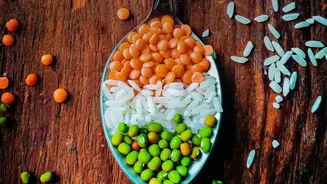
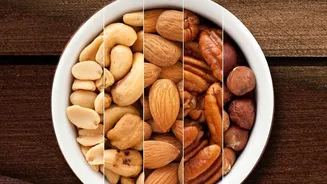
The definition of a 'better' snack is becoming more specific. It often means a return to traditional, nutrient-dense ingredients. Millets like ragi, jowar, and bajra, once seen as humble grains, are now stars in baked snacks, crackers, and cookies, replacing refined flour. Natural sweeteners such as jaggery and dates are being chosen over refined sugar. There's also a strong preference for snacks that are baked, roasted, or air-fried instead of deep-fried. Furthermore, a high-protein content is a major draw, with a 2026 report finding that 86% of Indian consumers consider it an important factor when choosing a snack. This has boosted the popularity of snacks based on lentils, chickpeas, nuts, and seeds.
The Rise of New-Age Snack Brands
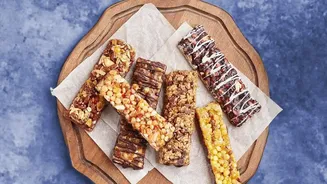
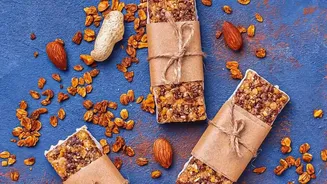
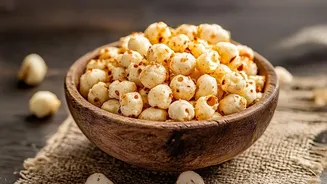
This consumer-led demand has created a fertile ground for a new generation of 'better-for-you' (BFY) brands. Many of these are direct-to-consumer (D2C) startups that have built their identity around transparency and health. These companies are innovating with products like millet-based chips, roasted makhana (fox nuts), protein bars, and nut and seed mixes. They are leveraging digital marketing and quick-commerce platforms to reach a wider audience, providing detailed product information that helps consumers make informed choices. The success of these brands shows that a growing segment of the population is willing to pay a premium for snacks they perceive as healthier and more wholesome.
How Legacy Giants Are Responding
The established giants of the Indian FMCG world have taken notice. They are no longer treating 'healthy' as a niche category but as a central axis for growth. Many are adopting a multi-pronged strategy. Some are acquiring successful D2C health food brands to gain a foothold in the market. Others are launching their own 'better-for-you' product lines, such as baked versions of popular chips or biscuits made with whole grains and millets. Companies like Nestlé and ITC have been actively reformulating existing products to reduce sugar and sodium while adding healthier ingredients. This response from legacy players confirms that the trend is not a fleeting one, but a fundamental and permanent shift in the market.