






The Power of the Crowd
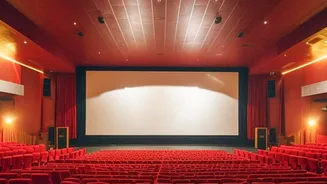
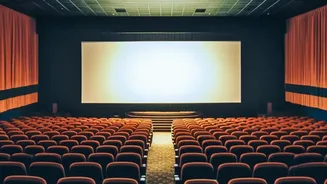
There's a palpable energy in a full theatre that no living room can duplicate. It’s the collective gasp during a thriller's twist, the wave of laughter rolling through the audience during a comedy, or the shared silence in a film's devastating final moments.
This communal experience amplifies our own emotional response. Studies in neuroscience suggest that watching engaging films in a group can trigger a release of endorphins, strengthening our sense of interpersonal connection. We are not just watching a story; we are part of a temporary community, united by the narrative unfolding on screen. This shared experience creates a powerful sense of belonging and turns a simple movie viewing into a memorable social event. The laughter feels louder and the suspense feels tighter because it is validated by hundreds of others around you.
An Unmatched Sensory Immersion
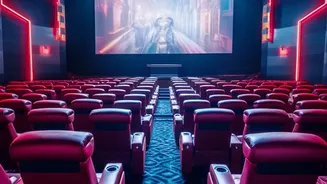
Filmmakers craft their works for the biggest canvas possible, and modern cinemas have upped the technical ante to deliver that vision flawlessly. Premium formats like Dolby Cinema and IMAX are not just about giant screens; they are holistic systems designed for total immersion. Dolby Vision, for instance, offers a colour palette and contrast with blacks up to 100 times deeper than standard projectors, while Dolby Atmos creates a three-dimensional soundscape where audio moves around you. Similarly, IMAX uses massive, curved screens and high-resolution projection to fill your field of view, making you feel like you are inside the movie. While a high-end home theatre can be impressive, it rarely matches the sheer scale and calibrated power of a premium cinema, where every seat is positioned for an optimal audio-visual journey.
The Ritual of Focus
Going to the movies is an act of intention. It involves a ritual: choosing a film, buying a ticket, travelling to the venue, and settling into your seat. This process creates a psychological break from the endless distractions of daily life. At home, the temptation to pause, check your phone, or multitask is constant, fragmenting the viewing experience. In a cinema, you are in a dedicated space, free from interruptions. Your phone is silenced, the lights are dimmed, and for two hours, your attention is solely on the story. This focused environment allows for deeper engagement with the film's artistic elements, from subtle character expressions to intricate sound design. It respects the art form by giving it your undivided attention, something that streaming at home, for all its convenience, struggles to enforce.
Honouring the Director's Vision
Many directors, from David Lynch to Denis Villeneuve, have argued that their films are made to be seen in a theatre. This isn't just about ego; it’s about artistic integrity. The grand scale, the precise colour grading, and the complex sound mix are all designed to be experienced in a specific, controlled environment. Seeing a blockbuster on a massive IMAX screen with its expanded aspect ratio reveals more of the image, just as the filmmaker intended. Choosing to see a film in a theatre is a way of honouring the immense collaborative effort that goes into its creation. It's an acknowledgement that some stories are built to be larger than life, demanding a venue that can match their ambition.