




Essential Monsoon Gardening Tips
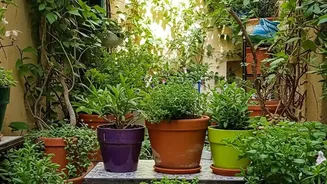
Before we dive into the herbs, a few general tips will ensure success. The biggest challenges during the monsoon are waterlogging and fungal infections. Choose pots with plenty of drainage holes. Use a light, well-draining soil mix; you can add sand or coco-peat
to regular potting soil to improve aeration. While the rains might seem sufficient, avoid letting your pots get completely waterlogged during heavy downpours by moving them to a semi-covered area if possible. Finally, good air circulation is key, so don’t overcrowd your plants. Regular pruning not only encourages fuller growth but also helps prevent fungal issues by improving airflow.
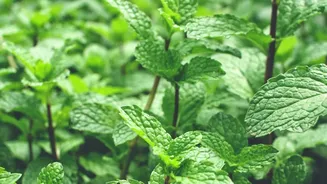
Mint (Pudina): The Prolific Refresher
Mint is perhaps the easiest herb to grow during the monsoon, as it loves damp conditions. Its refreshing flavour is a staple in Indian kitchens for everything from chutneys and raitas to cooling summer drinks. You don’t even need seeds; simply plant a few healthy cuttings from a bunch you bought at the market. Plant them in a wide container to allow them to spread. Mint is quite vigorous, so it’s best to give it its own pot. Keep it in a spot that receives partial shade and enjoy a continuous supply.
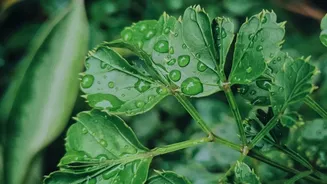
Holy Basil (Tulsi): The Queen of Herbs
No Indian kitchen garden is complete without Tulsi. Revered for its medicinal properties, Tulsi is a natural immunity booster, which is especially useful during the monsoon when colds and coughs are common. It thrives in the warm, humid weather of the rainy season. Plant it in a medium-sized pot with well-drained soil and place it where it can get a few hours of sunlight. Be careful not to overwater; wait until the topsoil feels dry to the touch. Regularly pinching off the flowers will encourage the plant to produce more leaves.
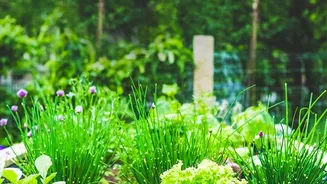
Lemongrass: The Fragrant Defender
The citrusy aroma of lemongrass is enough to brighten any gloomy, rainy day. This grass-like herb is not only great for flavouring teas, soups, and Asian cuisine but is also a natural mosquito repellent. It thrives in the monsoon, enjoying both the moisture and the warmth. You can easily grow it from a stalk from the grocery store. Just place the bulbous end in a glass of water until roots appear, then plant it in a large pot. It needs plenty of sunlight and regular watering to flourish.
Ginger & Turmeric: The Underground Treasures
The monsoon is the ideal time to plant ginger (adrak) and turmeric (haldi). These aren't leafy herbs, but their rhizomes are indispensable in Indian cooking. Both plants love the consistent moisture and humidity the season provides. Plant a piece of a fresh rhizome (with a few 'eyes' or buds) in a large pot or grow bag with rich, well-draining soil. They grow slowly through the season, and you can harvest them after several months when the leaves start to yellow and die back. The reward is incredibly fresh, pungent ginger and turmeric, far superior to anything store-bought.
Coriander (Dhaniya): A Monsoon Staple
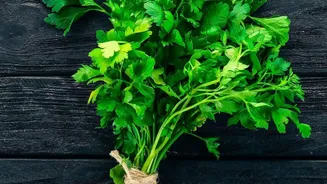
Growing coriander during the peak of summer can be tricky, but the cooler, moist weather of the monsoon is perfect for it. This fast-growing herb is essential for garnishing almost every Indian dish. Sow seeds directly into a wide, shallow pot with well-drained soil. One common issue with coriander in high humidity is fungal wilt, so ensure good air circulation and avoid overhead watering to keep the leaves dry. By planting a small batch of seeds every couple of weeks, you can ensure a steady supply throughout the season.