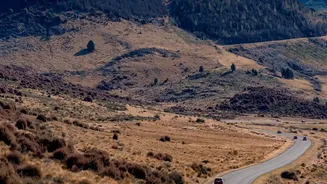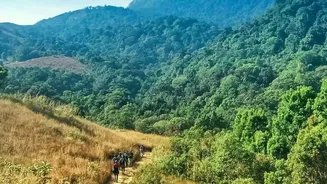



Tired of navigating the same crowded mountain roads and packed viewpoints? For travellers seeking true tranquillity, the promise of an untouched hill escape is irresistible. It’s time to look beyond the usual suspects and discover a real gem.
Uttarakhand's Best-Kept Secret
Forget the
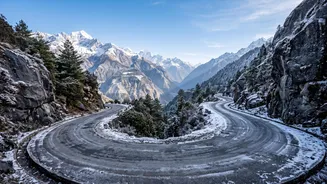
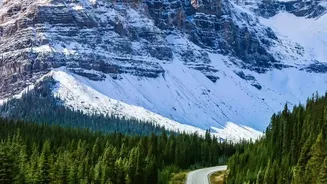
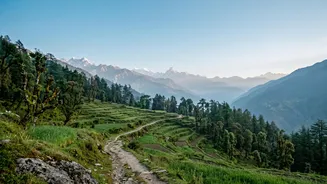
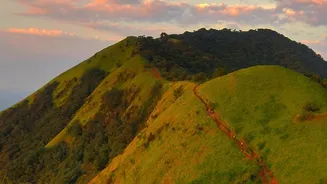
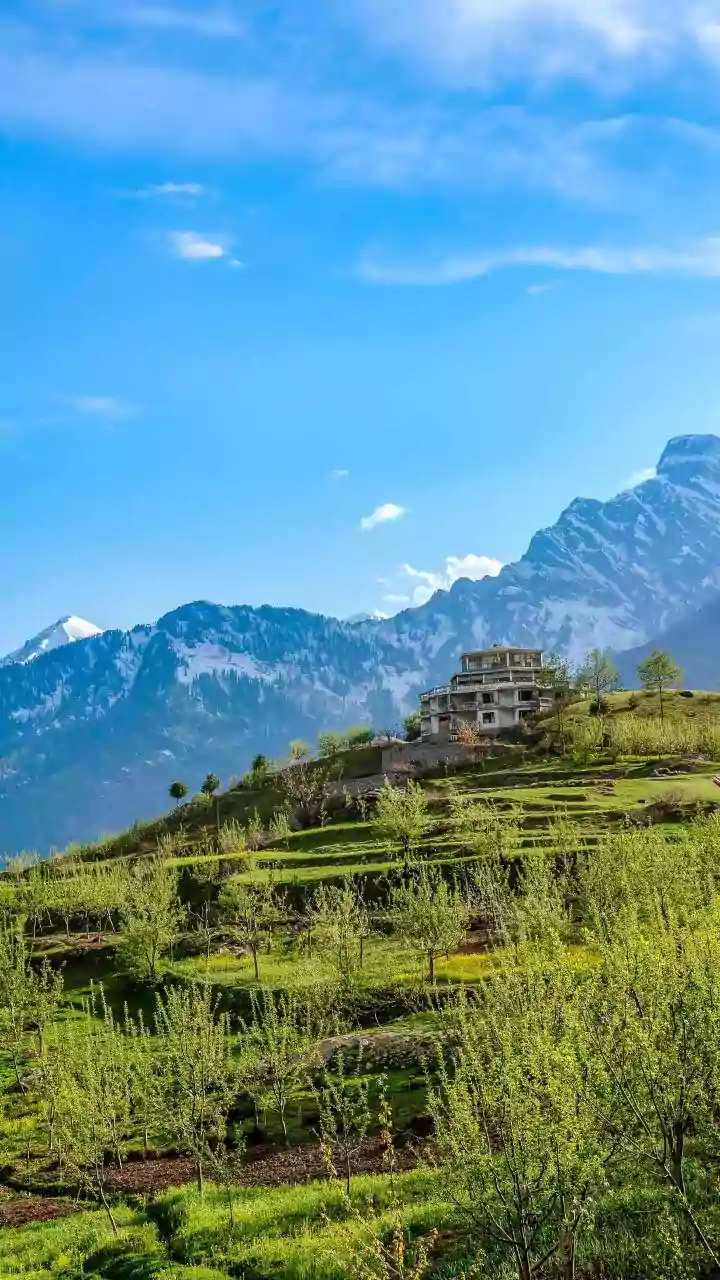
bustling streets of Shimla and Manali. Deep in the Garhwal Himalayas of Uttarakhand lies Chopta, a small, pristine hamlet that truly lives up to its nickname as the 'Mini Switzerland of India'. This tranquil destination is not a town of sprawling markets or luxury resorts, but a series of lush, undulating meadows surrounded by dense forests of pine, deodar, and rhododendron. Its primary draw is its profound silence, interrupted only by the sound of wind and birdsong. Chopta serves as the base camp for one of the most revered treks in the region, offering a perfect blend of adventure, spirituality, and unparalleled natural beauty, far from the commercial hum of more popular hill stations.
The Trek to a Temple in the Sky
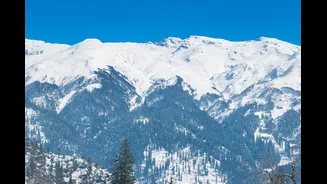
The main pilgrimage and trekking route from Chopta leads to Tungnath Temple, the highest Shiva temple in the world, perched at an altitude of about 3,680 metres. The 3.5-kilometre trek from Chopta is a manageable, well-paved path that winds through beautiful forests and alpine meadows. The journey itself is rewarding, with panoramic views of the Himalayas unfolding at every turn. For those with more stamina, the trail continues for another steep 1.5 kilometres to Chandrashila Peak, which sits at around 4,000 metres. Translating to 'Moon Rock', this summit offers a breathtaking 360-degree spectacle of Himalayan giants like Nanda Devi, Trishul, and Chaukhamba, especially at sunrise.
Beyond the Summit: Lakes and Sanctuaries
While the Tungnath-Chandrashila trek is the main attraction, Chopta's surroundings offer other serene spots. A short drive followed by an easy 2.5-kilometre trek leads to Deoria Tal, a stunning high-altitude lake. Its crystal-clear waters provide a perfect reflection of the mighty Chaukhamba peaks, making it a popular spot for camping and photography. The region is also part of the Kedarnath Wildlife Sanctuary, a protected area known for its rich biodiversity. Wildlife enthusiasts and birdwatchers can explore the Kanchula Korak Musk Deer Sanctuary or simply enjoy the forests, which are home to hundreds of bird species, including the colourful Himalayan Monal.
How to Plan Your Chopta Getaway
Reaching Chopta requires a bit of road travel, as there is no direct rail or air connectivity. The nearest airport is Jolly Grant in Dehradun (around 220 km away), and the closest major railway station is in Rishikesh or Haridwar (around 200 km away). From there, you can hire a taxi or take a bus for the 7–8 hour scenic drive through towns like Devprayag, Rudraprayag, and Ukhimath.
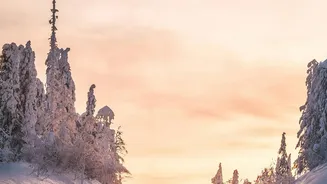
The best time to visit depends on your preference. April to June offers pleasant summer weather with lush green meadows. Autumn, from October to November, provides clear skies and magnificent views of the snow–capped peaks. For those seeking a winter wonderland experience, December to March sees the region covered in a thick blanket of snow, ideal for snow trekking, though you must check road conditions.
Accommodation in Chopta is basic and leans towards an authentic experience, comprising guesthouses, homestays, and campsites rather than large hotels. This limited infrastructure is key to its charm, ensuring it remains a peaceful retreat.
Essential Tips for the Unfamiliar Trail
Given its high altitude and remote location, a trip to Chopta requires some preparation. It's crucial to acclimatise properly to avoid altitude sickness—stay hydrated and ascend slowly. The weather can be unpredictable, so packing in layers is essential, including warm jackets and rain gear, regardless of the season. Sturdy, comfortable trekking shoes are a must. Connectivity is often limited, making it a perfect opportunity for a digital detox. Lastly, carry a basic first–aid kit and any personal medications, as medical facilities are not readily available. Embrace the simplicity; Chopta's reward lies in its raw, unfiltered connection to nature.