





Immunity-Boosting Spices
During the monsoon, your immune system works overtime. Traditional Indian spices are powerful allies in this fight. Turmeric, with its active compound curcumin, is a potent anti-inflammatory and antiseptic that helps combat infections. Ginger is excellent
for soothing sore throats and improving digestion, which can be sluggish this season. Black pepper not only enhances the absorption of curcumin but also aids digestion. Garlic, a natural antibiotic, and warming spices like cloves and cinnamon, are also fantastic for boosting your body's defenses against common colds and flu. Incorporating these generously into your daily cooking, from dals to soups, is a simple way to stay protected.
Light and Easy-to-Digest Grains
Ayurveda suggests that our digestive fire, or Agni, is weaker during the rainy season. Heavy foods can tax the system, leading to bloating and indigestion. This is the perfect time to embrace light and easy-to-digest grains and lentils. Khichdi, a simple preparation of rice and moong dal, is considered an ideal monsoon meal. It’s nourishing, balanced, and gentle on the stomach. Old barley and wheat are also recommended. Opt for moong dal over heavier pulses, as it is the easiest to digest. These light meals provide sustained energy without overburdening your gut.
Warming Herbal Teas
Swapping cold drinks for warm beverages is a classic monsoon rule. Cold drinks can further dampen your digestive system. Herbal teas, on the other hand, provide hydration, warmth, and a host of health benefits. A cup of ginger tea can alleviate throat irritation, while tulsi (holy basil) tea is known for its immunity-boosting properties. A simple concoction of warm water with lemon and a touch of honey can help flush out toxins and keep you hydrated. These comforting brews are a perfect way to start your day or unwind in the evening.
The Right Vegetables and Fruits
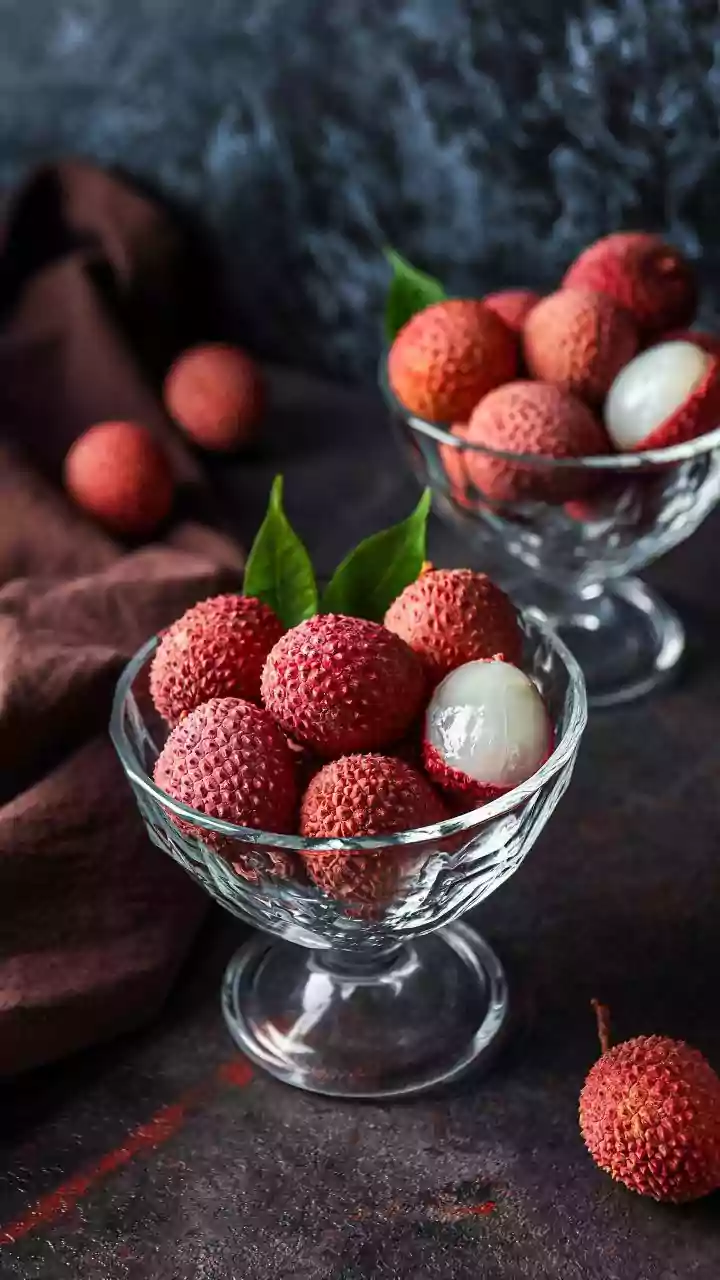
While leafy green vegetables are nutritious, they can be a breeding ground for germs during the monsoon. If you do consume them, ensure they are thoroughly washed and well-cooked. It is safer to opt for seasonal vegetables like bottle gourd (lauki), ridge gourd (turai), bitter gourd (karela), and pumpkin. These vegetables are light and easy to digest. When it comes to fruits, choose those with a thick peel that you can discard, such as pomegranates, apples, pears, and papayas. Avoid pre-cut fruits sold by street vendors as they carry a high risk of contamination.
Gut-Friendly Probiotics
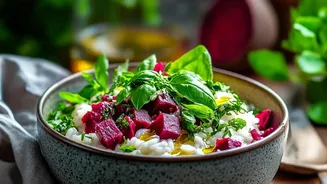
A significant portion of your immune system resides in your gut. Maintaining good gut health is crucial during the monsoon when digestive issues are common. Probiotics help maintain a healthy balance of gut bacteria. Freshly made curd (yoghurt) and buttermilk are excellent sources of natural probiotics. They help in digestion and can strengthen your body's ability to fight off harmful pathogens. However, ensure the curd is fresh and not sour, and it's often recommended to consume it during the day rather than at night.
Essential Kitchen Tools and Practices
Beyond food items, certain tools and habits are non-negotiable. First and foremost is access to clean water; always use a reliable water filter or boil your drinking water to avoid waterborne diseases. An electric kettle can be a useful appliance for this. High humidity can also cause spices, flour, and snacks to spoil or attract pests. Invest in good quality airtight containers to store all your dry goods, from rice and dal to masalas. This simple step keeps moisture and pests out, preserving the quality and safety of your food throughout the season.