







What Exactly Is a Continuous Glucose Monitor?
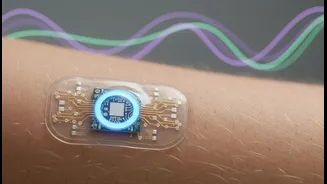
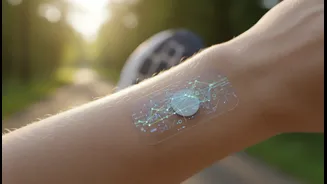
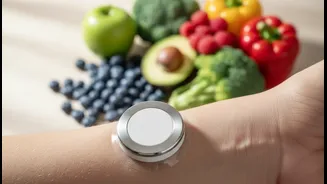
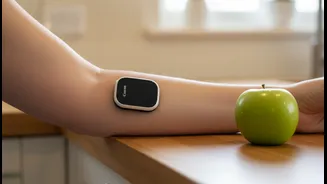
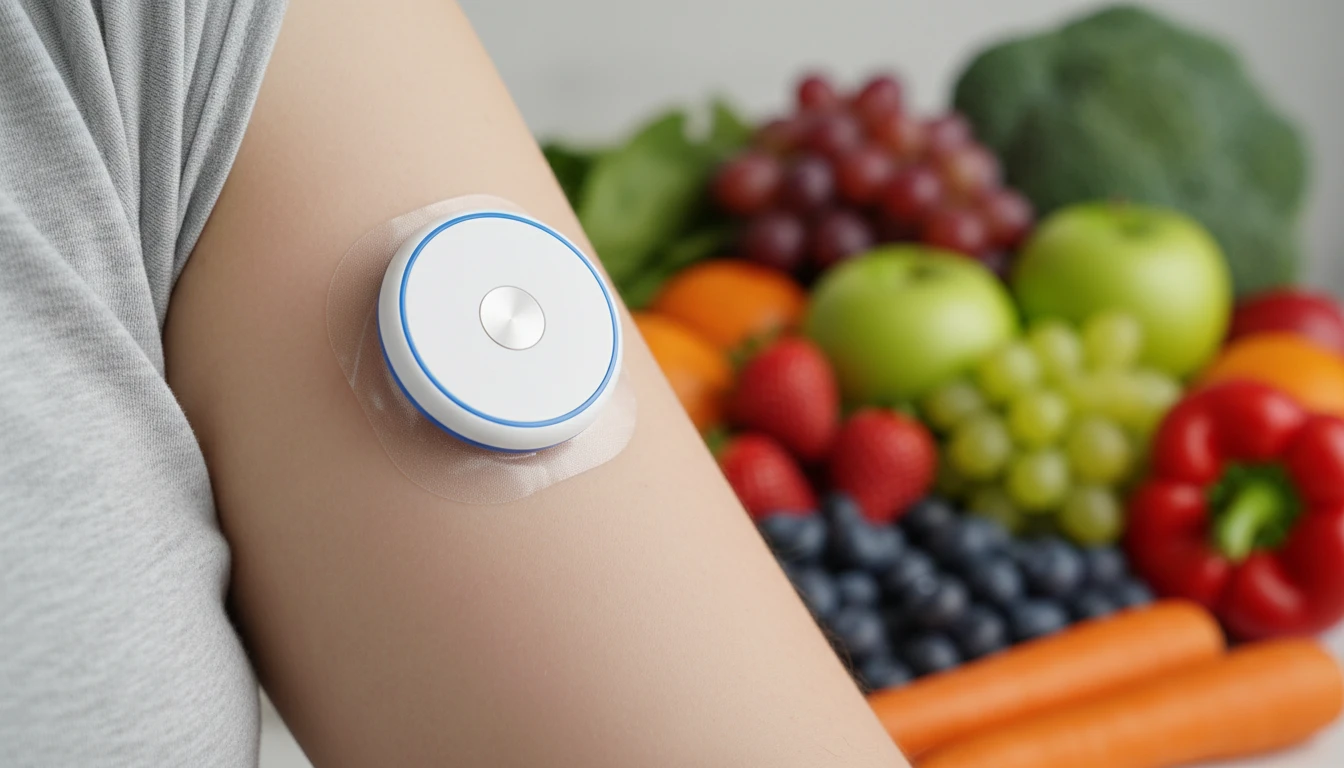
A continuous glucose monitor, or CGM, is a small wearable device that tracks your glucose (sugar) levels around the clock. It works via a tiny sensor inserted just under the skin, usually on the back of the arm. This sensor measures glucose in the interstitial
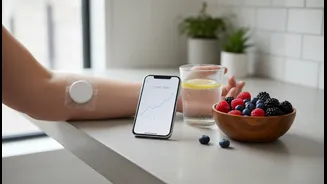
fluid—the fluid surrounding your cells. A transmitter then sends these readings wirelessly to a smartphone app every few minutes, creating a 24/7 graph of your body's glucose patterns. Unlike traditional finger-prick tests that give a single reading, a CGM provides a continuous stream of data, showing how your levels fluctuate with meals, exercise, stress, and sleep.
Why Are Healthy People Using Them?
The trend is largely driven by the 'biohacking' movement—a desire to use data and technology to optimize personal health. Proponents, from tech executives to wellness influencers, claim that tracking glucose can help fine-tune diet and lifestyle choices for peak performance. The key appeal is personalization. A CGM can reveal how your unique body responds to a banana versus a bowl of rice, something a standard diet plan can't do. Users hope this data will help them stabilize energy levels, improve mood, manage weight by curbing cravings, and enhance athletic performance. For some, it's also about proactive health, aiming to spot early signs of metabolic issues like prediabetes.
What Are the Promised Benefits?
Advocates for non-diabetic CGM use point to several potential benefits. The most significant is the immediate feedback loop. Seeing a glucose spike after a particular meal can be a powerful motivator to adjust eating habits. Athletes use them to optimize their fuelling strategy, learning when to eat carbs for sustained energy during a workout and how to best recover afterward. Other claimed advantages include identifying hidden food sensitivities, improving sleep quality by managing late-night glucose fluctuations, and gaining a deeper understanding of how stress impacts the body. For those at risk of type 2 diabetes, CGMs can act as an early warning system, encouraging lifestyle changes before the condition fully develops.
The Downsides: Cost, Accuracy, and Anxiety
Despite the hype, there are significant drawbacks. In India, a CGM sensor can cost over ₹4,000 to ₹5,000 and typically lasts for only 14 days, making it a costly habit without insurance coverage, which is generally reserved for diabetics. Furthermore, some experts warn about their accuracy in healthy individuals. One study from the University of Bath found that CGMs can overestimate blood sugar levels compared to gold-standard finger-prick tests, potentially leading to unnecessary dietary restrictions. There's also the psychological toll. Constant data monitoring can lead to 'alarm fatigue' or health anxiety, fostering an unhealthy obsession with normal glucose fluctuations. Many doctors caution that temporary glucose spikes after meals are normal and not necessarily a sign of poor health.
What Does the Medical Community Say?
The medical consensus is cautious. While many doctors agree CGMs can be a valuable educational tool for a short period, particularly for individuals with prediabetes, they question their utility for the average healthy person. The main concern is the lack of robust scientific evidence proving long-term health benefits for this group. Endocrinologists warn that without proper medical guidance, users might misinterpret the data, leading to anxiety and confusion. While the devices are excellent for managing diabetes, experts stress they are not a magic bullet for wellness. They are best viewed as an educational tool rather than a diagnostic one for the general population.