






Beyond the Beach Cafe
For years, the image of a digital nomad was simple: a freelancer working from a scenic cafe with good Wi-Fi. But as remote work has become mainstream, its culture has matured. A growing contingent is now seeking more than just a beautiful backdrop; they
want community, connection, and a lifestyle aligned with their values. This has given rise to community hubs—integrated spaces that offer co-working, co-living, and a shared ethos. In places like Bali, this ethos is increasingly centred on sustainability and zero-waste living, creating a powerful magnet for a new kind of global professional.
Inside Bali's Green Communes
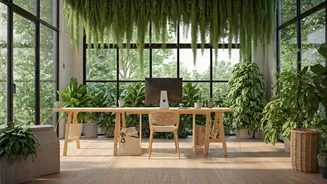
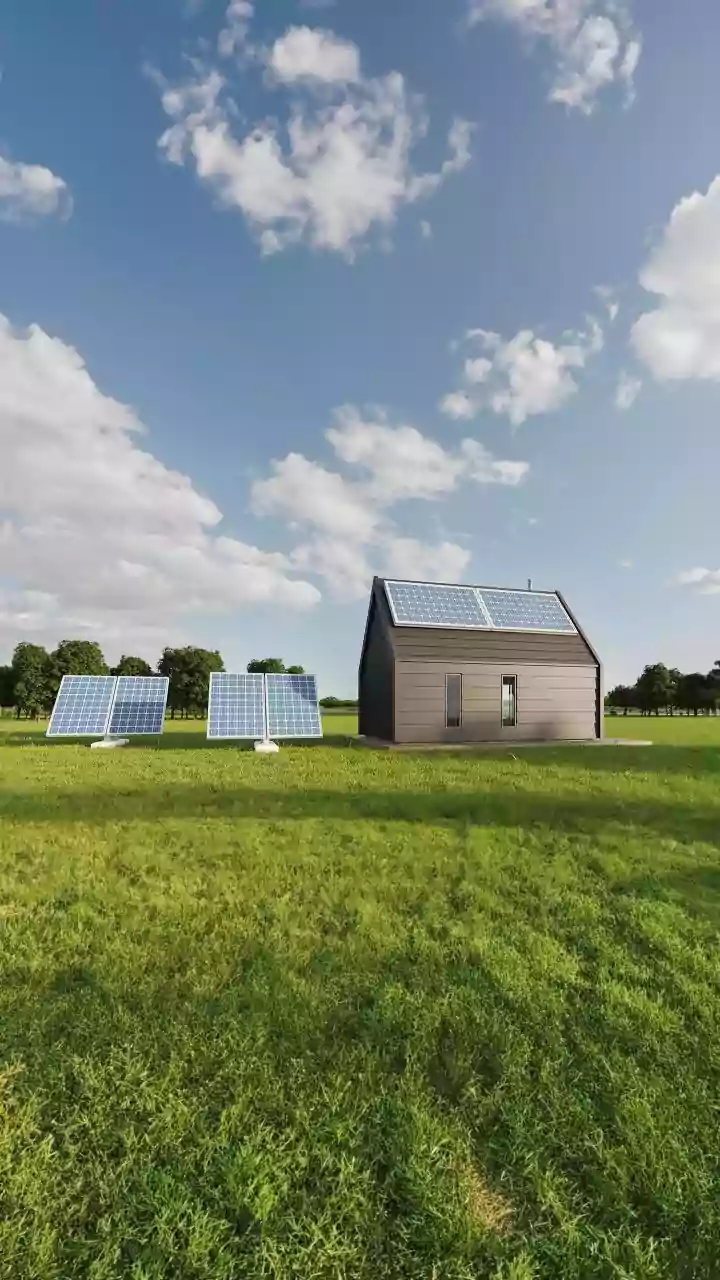
Centred in spiritual towns like Ubud or the surf-centric coast of Canggu, these hubs are more than just office spaces. They are ecosystems. Think co-working areas built from bamboo, cafes serving locally sourced organic food, and accommodation that prioritizes natural materials and minimal environmental impact. The 'zero waste' philosophy is woven into daily life. Residents participate in composting workshops, learn to make their own toiletries to avoid plastic packaging, and adhere to strict recycling protocols. Single-use plastics are often banned, and community-led beach clean-ups are a regular weekend activity. It’s a holistic lifestyle designed to minimise one's footprint while maximising connection to nature and community.
The Pull for Indian Professionals
So, why are Indian freelancers, in particular, drawn to this scene? The reasons are a mix of practical and philosophical. Firstly, Indonesia offers a high quality of life at a relatively low cost, making it an economically viable option for freelancers starting out or looking to stretch their earnings. The time zone is also manageable for those collaborating with teams in Asia or Australia. But the deeper pull is cultural. For many young professionals escaping the high-pressure grind of India's metros, the slower, more intentional pace of life is a major draw. The focus on wellness, yoga, and mindfulness, deeply embedded in Balinese culture and these hubs, resonates with values that are also seeing a resurgence among urban Indians.
A Community of Shared Values
Perhaps the most significant factor is the search for community. Freelancing can be an isolating career path. These hubs solve that problem by curating a ready-made network of like-minded individuals from around the world. It’s an environment where conversations about project management and client acquisition flow as easily as discussions about permaculture and ethical consumption. For an Indian freelancer, this provides an invaluable opportunity to build a global network, collaborate on international projects, and exchange skills in a supportive, non-competitive setting. The shared commitment to sustainability acts as a powerful social glue, fostering deep bonds among residents.
The Reality Behind the Ideal
Of course, the lifestyle is not without its complexities. The term 'zero waste' is an ideal, and achieving it is a constant effort. There's also the inherent contradiction of flying across the world—a carbon-intensive activity—to live a 'sustainable' life. Critics point to the potential for these foreign-led communities to create 'expat bubbles' that can drive up local prices and exist separately from the broader Indonesian society. However, many of the best hubs are actively working to address this, partnering with local artisans, employing local staff, and ensuring their initiatives benefit the surrounding community, not just their international residents.