




Tulsi: The Queen of Herbs
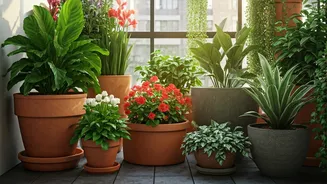
Walk past any traditional Indian home, and you’re likely to find a Tulsi plant gracing the courtyard. There’s a good reason for this. Holy Basil isn’t just a spiritual icon; it’s a powerhouse of resilience and wellness. While we might struggle to keep
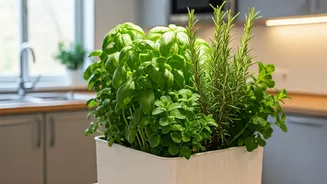
a pot of imported rosemary or thyme alive in the sweltering summer heat or humid monsoon, Tulsi thrives. It asks for little more than sunlight and regular water. Its leaves, packed with essential oils, make for a fragrant, immunity-boosting tea that costs nothing. Compare that to buying expensive, often wilting bunches of foreign herbs from a gourmet store. Tulsi is a low-maintenance, high-reward plant perfectly adapted to our climate, offering benefits from air purification to traditional remedies for coughs and colds. It’s the ultimate example of local wisdom outperforming a high-cost, high-effort import.
Neem: The Village Pharmacy
The global beauty industry has recently 'discovered' Neem, bottling it into expensive serums and face washes. But for centuries, it has been our very own ‘village pharmacy’. A Neem tree is a one-stop-shop for health and home care. Its leaves, when boiled in water, create an antiseptic rinse for skin troubles. Its twigs were the original toothbrushes, and its oil is a potent, natural pesticide for your other plants. While an imported tea tree oil might offer similar antiseptic properties, it comes in a tiny, costly bottle. A single Neem tree, on the other hand, offers a sustainable, abundant, and free source of these benefits. It’s incredibly hardy, grows well across most of India, and provides wonderful shade. Instead of buying a dozen different imported chemical products, this one local plant offers a natural alternative for everything from pimples to pests.
Marigold (Genda): A Ray of Sunshine
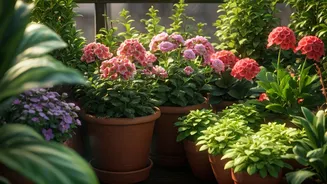
Imported flowers like lilies or orchids look stunning, but they often require specific temperatures, controlled environments, and a lot of fuss. And then there's our humble, cheerful Genda. The Marigold is a burst of vibrant orange and yellow that feels like sunshine itself. But its beauty is far from its only asset. Marigolds are one of the hardiest flowering plants you can grow. They bloom profusely, adding colour to gardens, balconies, and festive decorations. More importantly, they are a natural pest repellent. Planting marigolds around your vegetable patch can help keep nematodes and other harmful insects at bay. They are deeply woven into our culture, adorning garlands for prayers and celebrations. They represent joy and auspiciousness in a way no imported flower can. They are easy to grow from seed, cheap, and give back so much more than just a pretty flower.
Money Plant (Pothos): The Indestructible Purifier
Trendy indoor plants like the Fiddle Leaf Fig or certain Calatheas are notorious for being drama queens—they drop leaves if you look at them the wrong way. Enter the Money Plant. Found in homes and offices across India, this humble vine is practically indestructible. It thrives in low light, tolerates occasional neglect, and grows happily in both soil and water. Its glossy, heart-shaped leaves are not just pretty; they are excellent at purifying indoor air by filtering out common toxins. While you might spend a small fortune on a delicate, imported ornamental that perishes in a month, the Money Plant keeps on giving. You can easily propagate it from a single cutting, meaning one plant can soon become many, filling your home with lush greenery for free. It’s the definition of a sustainable, value-for-money green companion.
Curry Leaves (Kadi Patta): The Fresh Flavour King
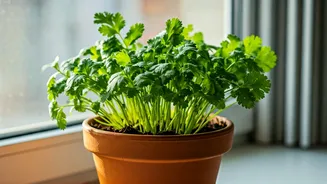
No tadka is complete without the distinct aroma of fresh curry leaves. We often see dried, imported bay leaves or other herbs sold in packets for a premium price, but they can never match the potent flavour of a fresh ingredient. Growing a Kadi Patta plant on your balcony or in your garden is incredibly simple and rewarding. It requires moderate sunlight and well-drained soil. Having a plant at home means you can pluck a few leaves whenever you need them, ensuring maximum freshness and flavour in your cooking—something a store-bought packet can never provide. The leaves are also rich in iron and vitamins. It’s a classic case of a homegrown Indian essential beating a dried, less-potent imported alternative on every count: freshness, flavour, cost, and convenience.