




The Vegetarian Strength Puzzle
Building muscle isn't just about lifting weights; it's about providing your body with the right fuel to repair and grow. The most critical nutrient for this is protein, which is made up of building blocks called amino acids. While non-vegetarian diets
have numerous sources of 'complete' proteins (containing all nine essential amino acids), vegetarians need to be more strategic. Many believe it's difficult to gain muscle on a vegetarian diet, but this is a myth. With proper planning, a vegetarian diet can support muscle growth just as effectively as one that includes meat. The key is ensuring you get enough high-quality protein to fuel your body's needs, especially after a workout.
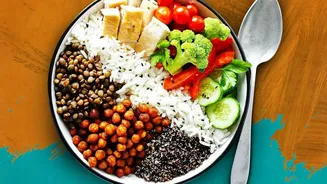
Lentils: The Humble Powerhouse
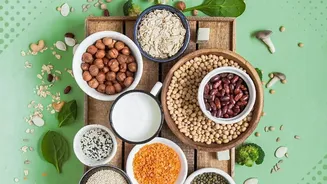
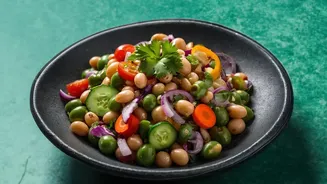
Lentils, or dal, are a cornerstone of Indian cuisine and a fantastic source of plant-based protein. A single cooked cup can provide around 18 grams of protein, along with essential fibre that aids digestion. While lentils are not a complete protein on their own, they are rich in certain amino acids. When paired with grains like rice or roti, they form a complete protein profile, providing all the essential amino acids your muscles need. Sprouting legumes can also increase their protein bioavailability, making them even more effective. They are also a great source of iron, which is crucial for preventing fatigue and maintaining energy levels during workouts.
Paneer: The Muscle-Building Staple
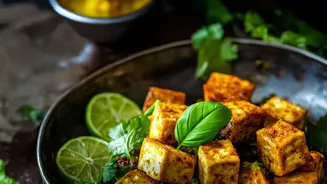
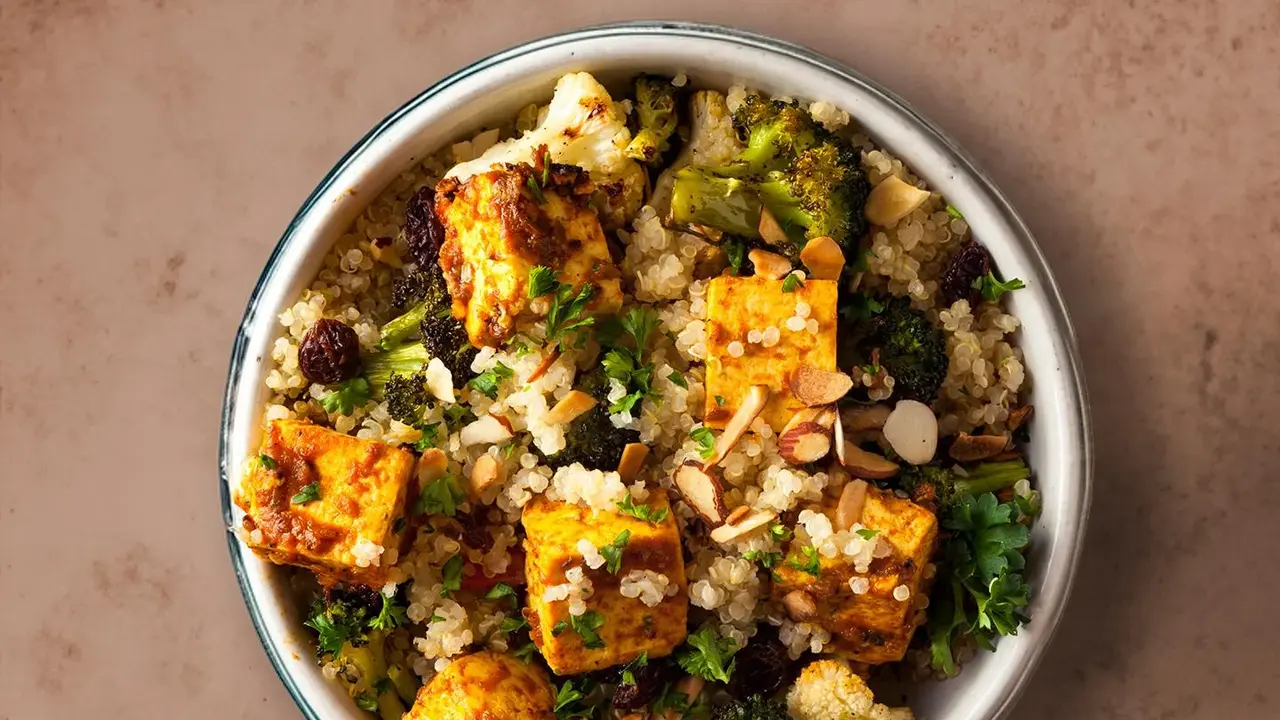
Paneer is a vegetarian's secret weapon for muscle growth. A 100-gram serving can pack between 18 to 25 grams of high-quality, complete protein. This means it contains all nine essential amino acids your body can't produce on its own. What makes paneer particularly effective is its high concentration of casein protein. Casein is a slow-digesting protein, providing a steady release of amino acids to your muscles over several hours. This makes it an excellent food for muscle repair and growth, especially when consumed in an evening meal to support overnight recovery.
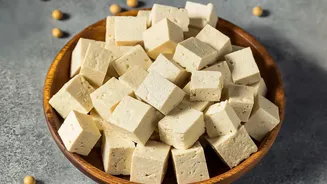
Tofu: The Versatile Complete Protein
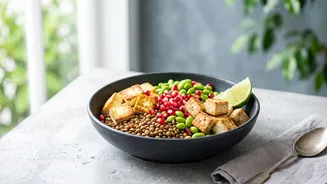
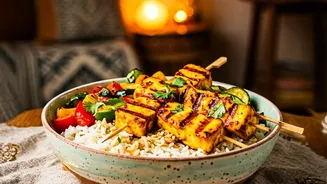
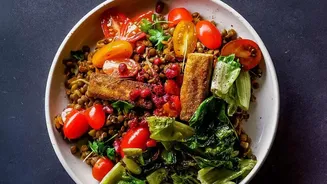
Tofu, made from soybeans, is another complete protein that deserves a place in your diet. A 100-gram serving of firm tofu provides about 10-17 grams of protein and contains all nine essential amino acids needed for muscle repair. Studies have even shown that soy protein can be as effective as animal-based proteins like whey for building muscle when total protein intake is sufficient. Tofu is also lower in calories and fat compared to full-fat paneer, making it a great lean protein option. Its versatility is a major plus; it can be scrambled, grilled, or added to curries, easily fitting into any meal plan.
The Synergy: Better Together
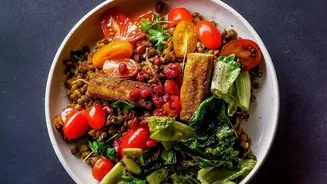
While each of these foods is powerful on its own, combining them creates a robust nutritional strategy. You don't necessarily need to eat them in the same meal, but including all three in your daily or weekly diet ensures a wide range of amino acids and nutrients. For example, you could have a lentil-based lunch (dal and rice), a tofu stir-fry as an evening snack, and a paneer bhurji for dinner. This approach ensures your body receives both fast-acting and slow-releasing proteins, keeping your muscles fuelled for growth and repair throughout the day and night. This combination also provides a mix of other essential nutrients, including calcium and iron from paneer and tofu.
Beyond Protein: The Complete Picture
While protein is paramount, it doesn't work in a vacuum. To build strength, you also need adequate calories to fuel your workouts and create a surplus for muscle growth. Carbohydrates from sources like whole grains and vegetables are essential for providing the energy needed for intense training sessions. Healthy fats, found in nuts, seeds, and the paneer and tofu themselves, are vital for hormone function. Finally, none of this works without a consistent strength training program that challenges your muscles through progressive overload. A balanced diet combined with smart training and adequate rest is the true formula for building physical strength fast and effectively.