





The Romance of the Monsoon Snack
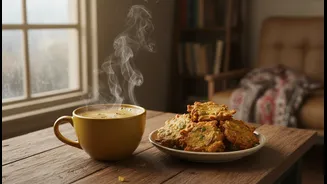
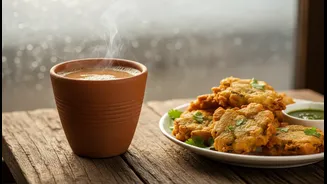
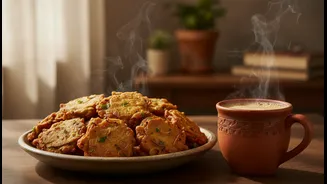
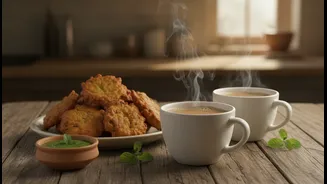
There are few things as deeply woven into the fabric of Indian culture as the combination of a steaming cup of masala chai and a plate of crispy, hot pakoras, especially when the sky turns grey. This isn't just a snack; it's a multi-sensory experience.
It’s the sound of batter sizzling in hot oil, the warmth of the cup in your hands, and the spicy aroma that fills the home. For many, the craving is deeply linked to nostalgia — memories of childhood, family gatherings, and the simple joy of watching the rain from a window.. This tradition has become a symbol of comfort, togetherness, and the simple pleasures that make a rainy day special.. The pairing feels timeless, an emotional anchor that connects us to a shared cultural memory, even though the combination became popular mostly in the 20th century..
A Nutritional Reality Check
The romance, however, runs into the hard facts of nutrition. A traditional pakora is a deep-fried fritter. While delicious, this cooking method means the snack is laden with calories and unhealthy fats.. A serving of just a few vegetable pakoras can contain hundreds of calories, contributing significantly to a person's daily intake.. Then there’s the chai. While the spices in masala chai — ginger, cardamom, cinnamon — offer numerous health benefits like aiding digestion and reducing inflammation, the way it's often prepared can be problematic.. When loaded with sugar and full-fat milk, a cup of chai transforms from a healthy, spiced beverage into a high-sugar drink. When consumed daily, this beloved duo can contribute to health issues that conflict with wellness goals, turning a comforting ritual into a source of concern.
When Nostalgia Drives the Craving
It’s crucial to understand that this powerful craving is often guided by the heart, not the stomach. Psychologists explain this as emotional or associative eating.. Our brains create strong links between food and feelings. The comfort and happiness associated with past rainy days get transferred onto the food itself.. So, when it rains, what we are often craving isn't just the taste of a pakora, but the feeling of safety, family, and nostalgia it represents.. In Indian culture, where food is a primary language of love and care, this line becomes even more blurred.. Recognizing this allows us to see the craving for what it is: an emotional need seeking comfort, not necessarily a physical need for deep-fried food. This distinction is the first step toward a more mindful approach.
Reimagining the Ritual, Not Abandoning It
The solution isn't to declare war on our favourite foods. Deprivation often backfires. Instead, the goal is to innovate and adapt. We can separate the ritual from the less healthy elements. Today, there are countless ways to make pakoras healthier. Baking, air-frying, or pan-frying with minimal oil can drastically cut down on fat and calories while still delivering a satisfying crunch.. Experimenting with different vegetables and chickpea flour remains a healthy base. Similarly, chai can be just as comforting with less or no sugar, or by using alternative sweeteners. Making these small adjustments allows us to keep the cherished tradition alive and honour the emotional connection, but in a way that aligns with modern health knowledge. The ritual can evolve to be just as satisfying, but far more nourishing.