




Create Space Between Furniture and Walls
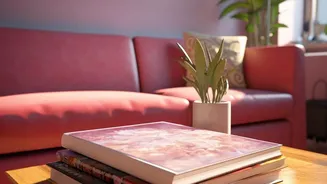
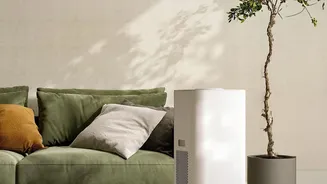
One of the simplest yet most effective changes is to slightly rearrange your furniture. When sofas, cupboards, and cabinets are pushed flush against walls, they trap air and moisture, creating a perfect breeding ground for mould and mildew. During the monsoon,
pull heavy furniture at least two to four inches away from the walls. This small gap allows for crucial air circulation, preventing moisture from settling on wall surfaces and behind your furniture. It’s a zero-cost move that significantly disrupts the damp, stagnant conditions that mould loves, especially in poorly ventilated corners of a room.
Reorganise Your Wardrobe for Airflow
Closets are notorious for becoming musty during the rainy season. An overstuffed wardrobe prevents air from circulating, trapping moisture in your clothes and linens. The solution is strategic organisation. First, avoid packing garments too tightly; leave small gaps between hangers. Next, place moisture absorbers like silica gel sachets or small muslin bags filled with camphor or neem leaves on shelves and in drawers. These naturally absorb excess humidity and keep odours away. It's also critical to ensure clothes are bone-dry before storing them. Even slightly damp garments can introduce moisture that spreads throughout the entire closet.
Switch to Monsoon-Smart Storage
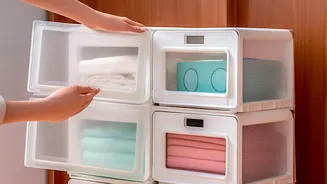
Cardboard boxes and fabric storage bags are enemies during the monsoon. They readily absorb moisture from the air and floor, becoming damp and promoting mildew on whatever is stored inside. It's time to switch to smarter solutions. Opt for airtight plastic containers, especially those with silicone seals, for storing items like winter wear, books, or important documents. For items on the floor or under the bed, elevate them using plastic pallets or stackable storage units to keep them off perpetually damp surfaces. This small change protects your belongings from seepage and condensation that often settles at floor level.
Declutter Your Kitchen and Bathroom Counters
The kitchen and bathroom are high-humidity zones in any home. During the monsoon, this is amplified. Cluttered countertops trap moisture underneath bottles, containers, and appliances. By keeping surfaces as clear as possible, you allow them to dry out faster after use. Use wall-mounted holders or caddies for toiletries in the bathroom and for spices or utensils in the kitchen. Make it a habit to wipe down counters and the area under the sink regularly, as this is a common spot for hidden dampness from pipe condensation. Running the exhaust fan for ten minutes after cooking or showering also makes a huge difference in venting out excess moisture.
Bring in Humidity-Absorbing Indoor Plants
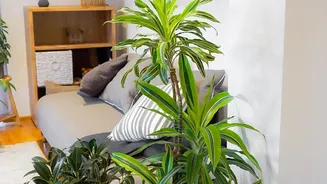
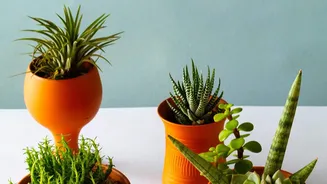
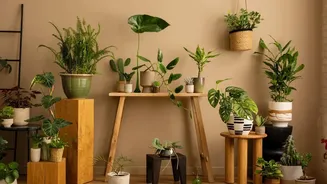
Certain houseplants can act as natural, living dehumidifiers by absorbing moisture from the air through their leaves. Strategically placing plants like Peace Lilies, Boston Ferns, English Ivy, and Spider Plants in humid areas of your home can help regulate indoor humidity levels. They offer a double benefit: not only do they combat dampness, but they also help purify the air. Just be careful not to overwater them, as soggy soil can counteract their dehumidifying benefits. These green allies are a beautiful and functional way to improve your home’s environment during the long rainy season.
Rethink Your Textiles and Linens
Heavy carpets and thick rugs are best rolled up and stored away during the monsoon, as they can trap a surprising amount of moisture and take ages to dry, leading to musty smells. Opt for lightweight, quick-drying mats or dhurries instead. It's also a good time to organise your linen closet. Use moisture-absorbing materials like rock salt in a bowl or charcoal briquettes placed in a corner to keep sheets and towels fresh. When possible, use sheer or lightweight curtains to allow maximum daylight and air into the home, as sunlight is a natural disinfectant and helps dry out indoor spaces.