





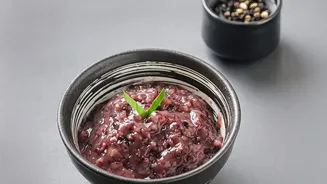

What Exactly Is Pazhanthanji?
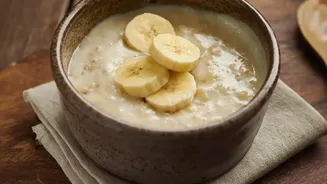
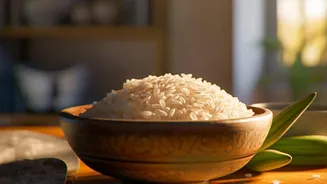
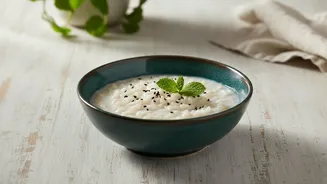
Known by various names across South India, including Pazhamkanji or Panta Bhaat, this dish is, at its core, a marvel of simplicity. It’s made from leftover cooked rice that is soaked in water and left to ferment overnight in a clay pot at room temperature.
By morning, a natural fermentation process transforms the simple gruel into a nutrient-dense, probiotic-rich meal. Traditionally, it was the breakfast of farmers and laborers, providing sustained energy for a long day of physical work. It’s often served cold and customized with simple additions like crushed shallots, green chilies, salt, and a bit of yogurt or buttermilk.
The Science Behind the Simplicity
Long before “probiotics” became a wellness buzzword, dishes like Pazhanthanji were delivering them naturally. The overnight fermentation encourages the growth of beneficial lactic acid bacteria, which are essential for a healthy gut microbiome. A balanced gut is linked to improved digestion, a stronger immune system, and even better mental health. But the benefits don’t stop there. The fermentation process also increases the bioavailability of micronutrients in the rice. Studies have shown that the iron content in fermented rice can be significantly higher than in its freshly cooked form. It also makes minerals like calcium, magnesium, and potassium, along with B-vitamins like B6 and B12, easier for the body to absorb.
The Modern Fitness Connection
So, how does a traditional porridge fit into a modern fitness regimen? The connection lies in its unique nutritional profile. For starters, it’s an excellent source of easily digestible, slow-release carbohydrates, providing sustained energy without the heavy feeling of a large meal. This makes it a compelling option for pre-workout fuel. Furthermore, its purported ability to cool the body makes it ideal for athletes training in hot climates. The natural electrolytes from the rice and added salt help with hydration. Research into fermented foods and athletic performance suggests that supporting gut health is crucial for recovery and immunity. While there's no magic bullet, a stable gut environment helps athletes stay healthier and recover more efficiently. A 12-week study on collegiate runners found that combining aerobic training with a nutrient-fortified fermented rice porridge led to greater improvements in endurance performance and recovery than training alone.
How to Approach This Ancient Superfood
While it was once known as a “poor man’s food,” Pazhanthanji is experiencing a revival, appearing on menus in restaurants celebrating traditional Kerala cuisine. For those interested in trying it at home, the process is straightforward: simply submerge leftover cooked rice (preferably a parboiled variety like Matta rice) in water and let it sit overnight. The next day, mash it slightly and mix in your choice of additions. For the uninitiated, the slightly sour taste might be surprising, but it’s often balanced by the saltiness of a pickle or the freshness of raw shallots. It’s a testament to the idea that sometimes the most effective nutritional strategies aren't found in a lab, but have been hiding in plain sight for centuries.