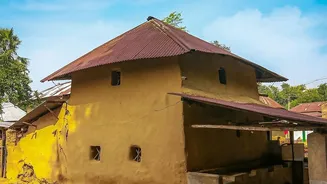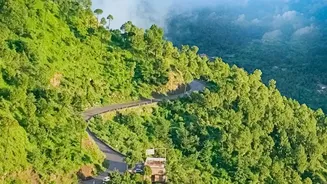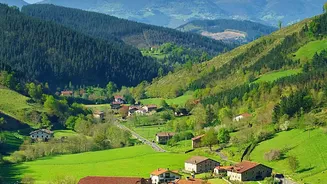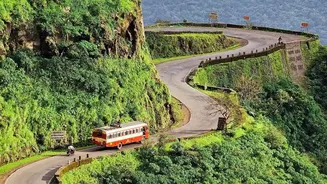





Chhattisgarh's dense forests and vibrant tribal villages offer a journey into India's cultural heartland. To truly experience this unique heritage, a thoughtful approach is key, one that prioritises human connection over simple sightseeing.
Beyond the Beaten Path
Deep in central
India, Chhattisgarh remains one of the country's most rewarding, under-the-radar destinations. Its vast forests are home to numerous tribal communities, including the Gond, Baiga, and Muria peoples, each with traditions and lifestyles preserved over centuries. Destinations like the Bastar region, Kanger Valley National Park, and the Maikal Hills offer more than just scenic beauty; they provide a window into a world where culture and nature are deeply intertwined. This is not a typical tourist circuit. Visiting these areas responsibly means leaving behind the resort mindset and embracing a more immersive, community-focused travel ethic that values authentic connection.
The Guide as a Cultural Bridge
Navigating the cultural and physical landscape of Chhattisgarh’s villages is best done with a local guide. These guides are more than just navigators; they are interpreters, storytellers, and a crucial link between visitors and the community. They understand the local customs, speak the languages, and can facilitate genuine interactions that would otherwise be impossible. A good guide ensures that visits are welcome and respectful, helping travellers understand the nuances of daily life, from the significance of a village market to the stories behind a traditional dance. This approach is central to the state's push for community-based tourism, which aims to empower local youth and ensure that economic benefits stay within the villages.
Photography with a Conscience
Photographing tribal communities comes with a significant ethical responsibility. The golden rule is simple: always ask for permission before raising your camera. A photograph should be a moment of exchange, not a transaction. Building a rapport, even with a simple greeting or a conversation facilitated by your guide, should always come first. It's crucial to avoid 'poverty porn' or intrusive photography that treats people as objects or backdrops. Be mindful of ceremonies or private activities, and respect a 'no' immediately and without negotiation. Responsible photography honours the dignity of the person in the frame, ensuring the memory captured is one of mutual respect.
Fostering Sustainable Livelihoods
When travellers hire local guides, stay in community-run homestays, and purchase handicrafts directly from artisans, tourism becomes a powerful tool for good. This model of sustainable tourism, actively promoted by the Chhattisgarh government, helps decentralise revenue from commercial hotels directly to village households. Initiatives like the state's Homestay Policy provide financial support and training to families in tribal areas, enabling them to become tourism entrepreneurs. This not only creates sustainable livelihoods and reduces migration but also helps preserve cultural heritage by giving it economic value. Visitors, in turn, receive a far more authentic and memorable experience.
Planning Your Mindful Journey
To plan a responsible trip, look for tour operators and organisations that specialise in community-based and eco-tourism in Chhattisgarh. Companies like Unexplored Bastar focus on connecting travellers with trained local guides and authentic village experiences. The state's official tourism board is also a resource for finding registered homestays and certified guides. When you visit, dress modestly, follow your guide’s advice on etiquette, and be conscious of your environmental impact. Avoid giving sweets or money to children, as it can encourage a culture of begging; instead, support the community by purchasing local goods or contributing to a village development fund if one exists.