







Upgrade to Airtight Containers
The single most effective step is to create a physical barrier against moisture. During the monsoon, ambient humidity can be extremely high, and standard packaging like thin bags or loosely lidded jars won't be enough to protect your dry goods. Before
the season peaks, invest in high-quality airtight containers. Glass jars with secure lids are excellent as they are non-reactive and provide a strong barrier. For larger quantities of grains or flour, food-grade plastic buckets with gasket seals are a great, inexpensive option. Transfer items like spices, sugar, tea, coffee, biscuits, and chips out of their original packaging and into these containers immediately to preserve their freshness.
Protect Your Spices, Salt, and Sugar
Spices are particularly vulnerable to dampness, which can cause them to clump and lose their aroma and flavour. Store them in airtight glass jars away from the stove or sink, as steam can introduce moisture. For salt and sugar, which are notorious for clumping, adding a few grains of uncooked rice or a couple of cloves to the container can help absorb excess moisture. Buying smaller packs of spices and sugar during this season can also help, as you will use them up faster, reducing their exposure to the humid air.
Keep Grains and Flours Dry
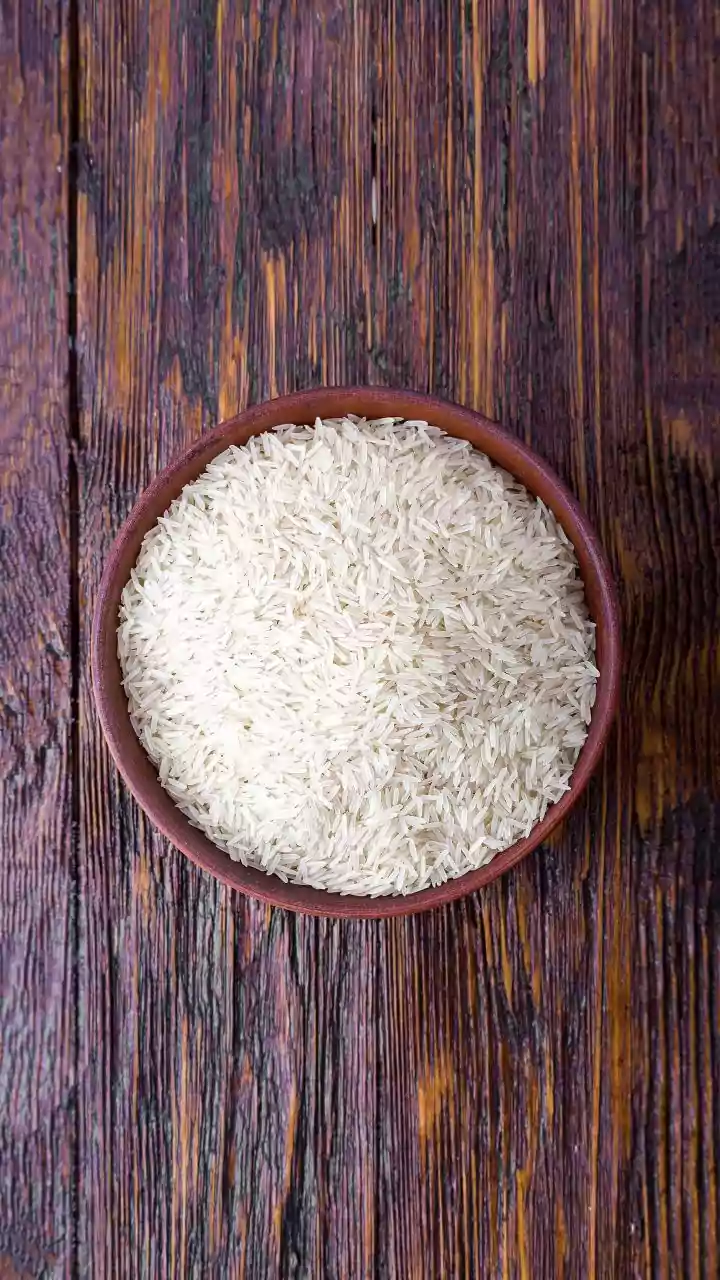
Grains like rice and pulses (dal), along with flours like atta and besan, can easily develop mould or attract weevils in damp weather. Before storing, you can lightly roast flours to remove any existing moisture, which increases their shelf life. For whole grains, spreading them out in the sun for a few hours on a dry day is a traditional and effective method. Inside the storage containers, add natural repellents like a few dried bay leaves or neem leaves. These not only deter pests but also help manage the storage environment.
Preserve the Crispness of Snacks
Nothing is more disappointing than reaching for a biscuit or a handful of chips only to find them soft and limp. This is a common monsoon problem caused by moisture absorption. The solution is simple: store all such snacks in completely dry, airtight containers. If you have a large packet, consider transferring it into a few smaller jars. This limits the air exposure for the entire batch every time you open a container. For an extra line of defence, some suggest adding a small pouch of sugar to a biscuit tin, as it acts as a natural desiccant.
Manage Fruits and Vegetables
Fresh produce requires special attention during the monsoon. Leafy greens, which are prone to contamination, should be washed thoroughly. Soaking vegetables in a water-and-vinegar solution for a few minutes before a final rinse can also help. It's crucial to dry them completely before storage. You can wrap leafy greens in paper towels before placing them in the refrigerator to absorb extra moisture and prevent them from becoming slimy. Store perishable items in the fridge, but ensure the fridge itself is cleaned regularly to prevent mould growth from condensation.
Maintain Overall Kitchen Hygiene
A dry, clean kitchen is your best defence. Always use a dry spoon when scooping ingredients from jars. Wipe down kitchen cabinets and shelves regularly, and consider placing natural dehumidifiers like camphor balls or small sachets of activated charcoal inside to absorb ambient moisture. Avoid storing food bags directly on the floor, especially on concrete or tile, as moisture can rise from the ground. Instead, use wooden planks or shelves to allow for air circulation.