

The Philosophy of the Mediterranean Bowl
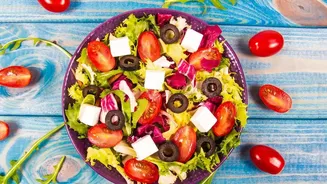
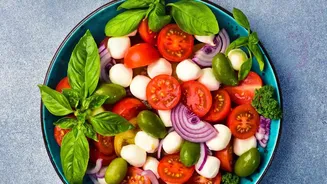
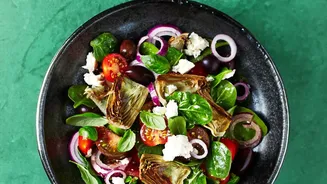
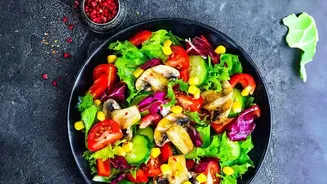
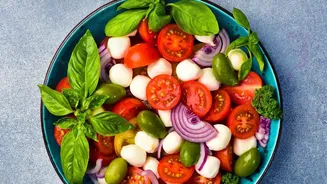
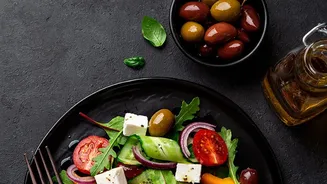
Unlike many salads that rely on a bed of lettuce, traditional Mediterranean salads are built on a colourful mix of fresh, seasonal vegetables, herbs, and legumes. Think of juicy tomatoes, crisp cucumbers, briny olives, and creamy feta cheese. The focus
is on high-quality, flavourful ingredients that shine on their own without needing heavy or complicated additions. It's a style of eating rooted in the agricultural traditions of countries like Greece, Italy, and Spain, where simplicity and freshness are paramount. This approach makes these salads not just delicious, but also incredibly versatile and packed with nutrients.
The Star of the Show: Extra Virgin Olive Oil
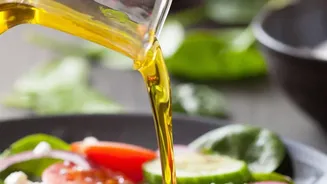
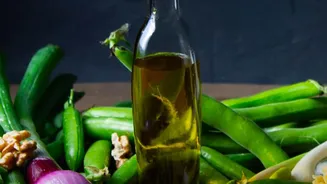
When it comes to the dressing, one ingredient is non-negotiable: extra virgin olive oil (EVOO). This is the highest grade, made from the first cold pressing of olives without chemicals, which preserves its natural flavour and health benefits. EVOO is rich in monounsaturated fats, particularly oleic acid, which is known to be heart-healthy. It is also loaded with antioxidants like polyphenols, which help protect the body against cell damage and inflammation. The robust, sometimes peppery or grassy flavour of a good EVOO is a key component of the final dish, not just a background element.
How to Choose the Best Olive Oil
Not all olive oils are created equal. To pick a great bottle for your salad, look for 'extra virgin' on the label. Check for a harvest date, and choose one from the most recent harvest, as olive oil is best when fresh and does not improve with age. Quality oil is also sensitive to light, so always opt for bottles made of dark glass or opaque tins to protect it from degradation. A good EVOO should smell fresh and fruity and have a flavour profile that might range from mild to peppery. A peppery kick at the back of your throat is often a sign of fresh, high-quality oil rich in healthy polyphenols.
Crafting the Perfect Vinaigrette
A classic Mediterranean vinaigrette is beautifully simple. The standard ratio to remember is three parts oil to one part acid. For a basic dressing, whisk together three tablespoons of extra virgin olive oil with one tablespoon of an acid like fresh lemon juice or red wine vinegar. Add a pinch of salt and pepper to taste. From there, you can customize it to your liking. A small amount of Dijon mustard can help the oil and vinegar emulsify and add a tangy note. Minced garlic, shallots, or fresh herbs like oregano and parsley can also be added for extra layers of flavour.
Building Your Salad
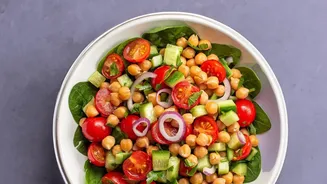
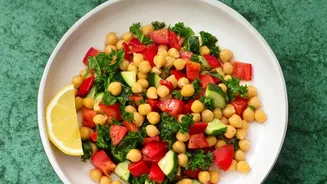
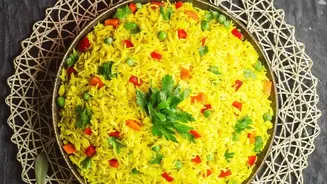
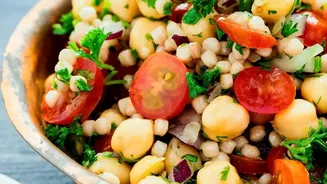
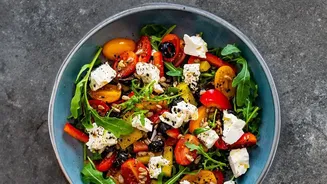
Start with a base of chopped, ripe tomatoes and crisp cucumbers. Add thinly sliced red onion for a pungent bite and some Kalamata olives for a briny, salty element. Fresh herbs like parsley and mint are essential for bringing a bright, aromatic quality to the salad. To make it a more substantial meal, consider adding a source of protein and substance. Chickpeas are a classic addition, providing plant-based protein and a hearty texture. Crumbled feta cheese adds a creamy, tangy finish that is iconic in many Mediterranean salads. For even more heft, you can incorporate grains like quinoa or pasta shapes like orzo.