




A Deluge of Data
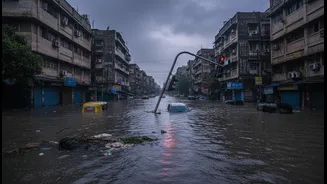
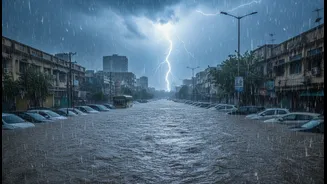
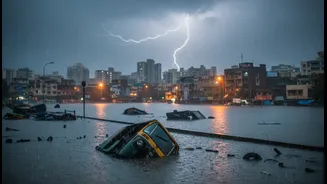
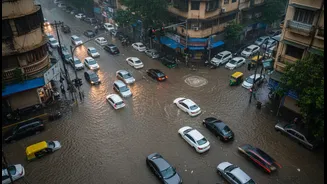
The first week of July 2026 was not just wet; it was exceptional. By July 7, Mumbai had received nearly 1,240 mm of rainfall since the start of June, the highest for this period in 27 years. In a matter of days, the city received a massive portion of its
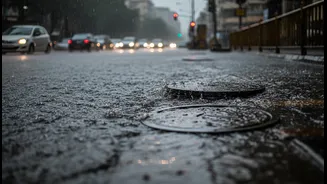
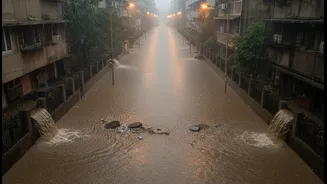
entire seasonal average, with some areas logging over 300 mm in a single 24-hour span. These are not just numbers; they represent a concentrated deluge that even modern infrastructure would struggle to handle. The intensity is the key problem—climate change is causing a shift where days' worth of rain now falls in just a few hours, a pattern scientists call a “cloudburst-like” episode.
The Anatomy of a Drainage Collapse
While the extreme rainfall is a trigger, the city's chronic waterlogging points to deeper, systemic failures. Mumbai's primary drainage network is over a century old, designed in the 1860s for a much smaller city with far more open, absorbent spaces. This British-era system was built to handle a maximum of 25 mm of rain per hour, assuming half of it would be absorbed by the ground. Today's reality is starkly different. Unchecked urbanization has covered vast swathes of the city in concrete and asphalt, preventing rainwater from percolating into the soil and forcing almost all of it into a network that was never designed for such a load.
Choked Arteries and Lost Sponges
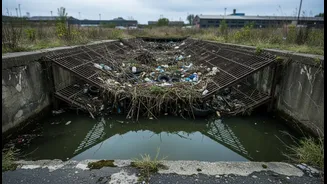
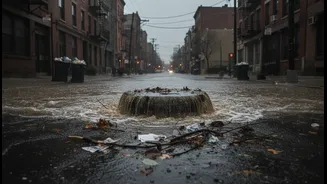
The existing drains face a double threat: what goes into them and what has disappeared around them. Plastic waste, silt, and construction debris constantly clog the drains, severely reducing their carrying capacity. Simultaneously, the city’s natural sponges—mangroves, wetlands, and floodplains—have been systematically eroded by construction and reclamation. Rivers like the Mithi, which should serve as natural drainage channels, are so choked with waste and encroachments that they often overflow, worsening the flooding instead of mitigating it. The problem is compounded during high tides, when the sea level prevents the overburdened drains from discharging rainwater, effectively putting a cap on the system when it's needed most.
The Human Cost and Official Response
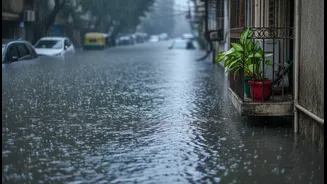
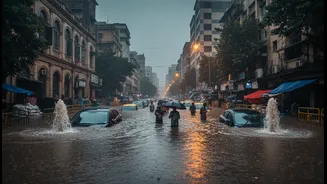
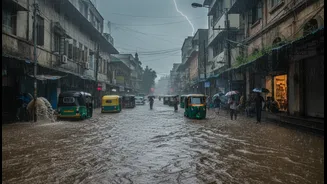
For Mumbaikars, this is more than an infrastructure problem. It's a daily battle. Waterlogging in low-lying areas like Andheri, Hindmata, and Parel leads to gridlocked traffic, delayed trains, and brings the city's famously fast-paced life to a halt. The Brihanmumbai Municipal Corporation (BMC) responds with a war-footing effort, deploying thousands of personnel and activating hundreds of pumping stations to clear the water. While projects like the Brihanmumbai Storm Water Disposal System (BRIMSTOWAD) aim for a long-term upgrade, progress has been slow. For now, the response remains largely reactive, a seasonal deployment of pumps and people against a predictable crisis.