








The Rise of the Solo Diner
Dining out in India has traditionally been a communal affair, a time for families and friends to gather around a shared table. Historically, a person eating alone was often seen with a mix of pity and curiosity. But in the bustling urban landscape of Delhi,
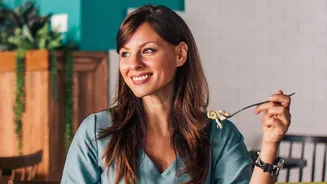
Gurgaon, and Noida, this perception is rapidly changing. A growing number of professionals, students, and urbanites are choosing to dine out by themselves. This isn't a sign of loneliness, but rather one of independence and self-care. Driven by factors like migration for work, flexible hours, and a growing desire for personal time, dining alone has become a conscious choice for many. For millennials and Gen Z, it's a form of self-expression and a way to enjoy a meal on their own terms, without negotiating on cuisine or conversation.
Designing for One
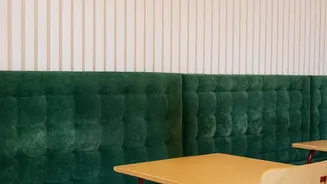
Restaurants are moving beyond simply tolerating solo diners to actively designing for them. The awkward corner table is being replaced with more intentional and appealing options. Bar seating and counters overlooking open kitchens are becoming prime real estate, offering a sense of engagement without the pressure of interaction. Establishments like Perch and The Grammar Room in Delhi have become popular for creating a community feel where being alone feels perfectly normal. Some cafes even feature communal tables, encouraging a subtle sense of shared space. Hospitality advisory firms note that designing for the solo diner is now part of the initial planning for new restaurants, not an afterthought. This architectural shift acknowledges that a well-designed space can make a solo guest feel immersed in the experience rather than isolated.
A Menu for Me, Myself, and I
The one-size-fits-all, family-style menu is also getting a solo-friendly makeover. Chefs and restaurateurs recognise that a single diner should not have to choose between over-ordering or missing out. In response, many are introducing smaller portions, tasting menus for one, and flexible combo meals. At Comorin in Gurgaon, for example, the menu features tasting-style portions that allow a single person to sample multiple dishes. Zuki, a pan-Asian restaurant in Noida, has recalibrated its menu with half-portions and mix-and-match options. Even high-end establishments are getting on board; Indian Accent in Delhi offers a celebrated tasting menu at its twelve-seat chef's counter, which is considered one of the best solo dining experiences in the country.
Service Without the Sympathy
Perhaps the most significant change is in the attitude of service staff. The goal is now attentive, non-intrusive service that makes the solo diner feel welcome, not rushed or pitied. A spokesperson for Shangri-La Eros New Delhi notes that their teams are trained to understand the guest, not the table size. Some solo diners still find cafes more comfortable than formal restaurants, as the environment often feels more naturally suited to individuals. However, the industry is learning fast. The consensus is that a solo diner should feel like an intentional and valued guest. Chef Vaibhav Bhargava of Zuki states that his team is trained to read intent, as some solo guests may want interaction while others prefer silence. This nuanced approach is key to creating a truly comfortable experience.
The Business of Going Solo
Catering to solo diners is not just good hospitality; it's smart business. Restaurant owners are finding that solo guests can be a profitable and loyal customer base. They often help with table utilisation during off-peak hours and may have a higher per-head spend since they aren't splitting dishes or costs. A solo diner's order is based on personal craving, not group consensus, which can lead to ordering more courses, including dessert. Furthermore, a positive experience can turn a solo diner into a regular, creating a steady stream of repeat business. As urban lifestyles continue to evolve, the 'table for one' is no longer an operational compromise but a growing and important part of the NCR's vibrant dining culture.