






A Hub for Heritage and Innovation
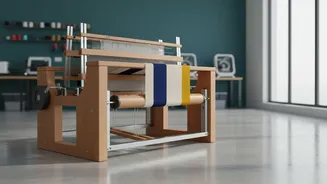
On August 3, 2026, the Union Minister of Textiles inaugurated the Centre of Excellence for Handloom Technology (CoE-HT) at the Indian Institute of Technology, Delhi. With a government investment of nearly Rs 12 crore, the centre is designed to be a national
hub for integrating cutting-edge research and digital technologies with India's rich handloom traditions. Its mandate is ambitious and wide-ranging. Over the next five years, the centre aims to tackle some of the sector's most persistent challenges by focusing on loom modernisation, weaver ergonomics, sustainability, and the use of artificial intelligence. Key goals include creating a national digital repository of handloom knowledge, developing AI-powered tools, facilitating patents for new technologies, incubating startups, and training at least 1,000 weavers and professionals. This initiative isn't just about theory; it's about creating practical, technology-driven solutions for the more than 3.5 million people who depend on the handloom sector for their livelihood.
The Modernisation Debate
The launch of the CoE-HT brings a long-simmering debate back into the mainstream: what does it mean to modernise handloom? For proponents, technology is not a threat but a lifeline. They argue that thoughtful innovation can increase productivity, improve quality, and make the weaving process less physically taxing. The goal isn't to replace the artisan but to empower them with better tools. Modernisation can involve anything from ergonomically designed looms that reduce strain to AI-assisted pattern forecasting and digital platforms that connect weavers directly to markets. The government has also launched initiatives like 'Handloom 4.0', a mobile app for monitoring loom productivity and quality, to push for digital transformation. The larger vision is to make the sector more competitive, sustainable, and globally relevant, ultimately increasing the income of weavers.
The Weaver's Dilemma
Despite the promise of progress, the push for modernisation is met with valid concerns. The handloom sector is the country's second-largest rural employer after agriculture, and it faces a barrage of challenges. Weavers contend with intense competition from cheaper, mass-produced textiles from power looms, rising costs of raw materials like cotton and silk, and inadequate wages that often hover around a few hundred rupees a day. Many fear that an overemphasis on technology could dilute the very essence of handloom—its unique, handcrafted authenticity. There's a risk that mechanisation, even if partial, could lead to a loss of traditional skills passed down through generations. Furthermore, younger generations are increasingly migrating to urban jobs that offer better pay and stability, threatening the continuity of the craft itself. For many artisans, the dilemma is whether modernisation will truly lift them out of poverty or simply erase their cultural identity in the name of efficiency.
Weaving a New Future
The path forward lies in finding a delicate balance between preserving heritage and embracing innovation. The work at IIT Delhi's new centre is a crucial part of this effort. By bringing together academia, industry experts, designers, and the weavers themselves, the initiative aims to ensure that technological interventions are appropriate, accessible, and genuinely beneficial. The focus isn't just on hardware but on creating a holistic ecosystem. This includes digital learning platforms like 'Handloom e-Vidya' to build skills and 'HandloomX', an accelerator to support startups in the sector. Another innovative project, 'Threads of Valour', focuses on sustainability by converting recycled defence textiles into premium handloom fabrics. These efforts suggest a future where technology serves tradition, enhancing the weaver's craft rather than replacing it. The goal is to create products that are not only beautiful and authentic but also competitive in a modern marketplace.