

The Classic Mahabaleshwar Circuit
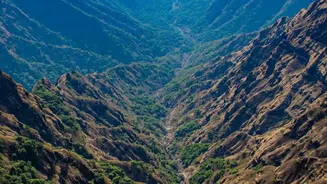
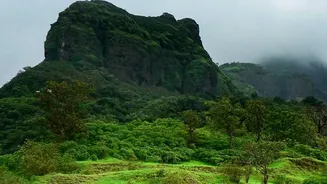
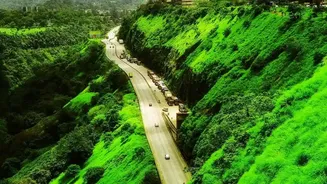
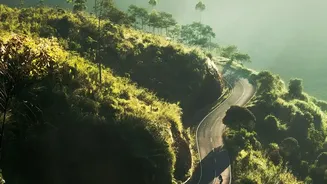
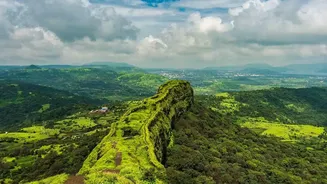
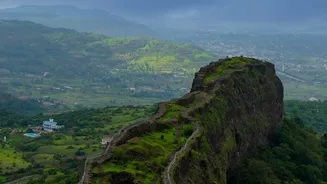
The drive to Mahabaleshwar is the quintessential monsoon experience. The roads, though requiring caution, offer spectacular views of valleys shrouded in mist. Key viewpoints like Arthur's Seat, often called the 'Queen of the Points', provide dramatic
vistas of the Savitri Gorge, especially when clouds drift through the valley during breaks in the rain. Other spots like Wilson Point, the highest point in Mahabaleshwar, are perfect for witnessing the moody monsoon sky. While the famous strawberry season is in winter, a visit to Mapro Garden for its lush greenery and food products remains a popular stop. During the monsoon, Venna Lake is particularly scenic, with the surrounding trees reflecting on the water's surface, though boating may be paused during heavy downpours. Recent heavy rains in late July 2026 caused some landslides, notably on the Kelghar Ghat section of the Satara-Mahabaleshwar road, forcing temporary closures. Always check with local authorities for the latest road conditions before you travel, as the alternate route via Wai and Pasarni Ghat often remains open.
The Road to a Thousand Waterfalls
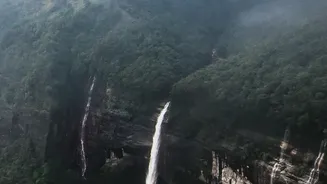
For those who find joy in the thunderous roar of water, the drive towards Thoseghar is a must. Located about 20 kilometres from Satara, the Thoseghar Waterfalls are a series of cascades that come alive most powerfully between July and November. One of the falls plunges from a height of nearly 200 metres, making it a spectacular sight. A well-maintained viewing platform allows for safe admiration of the falls, which are best enjoyed as a visual spectacle rather than for swimming due to the powerful flow. The entire area becomes a lush paradise, and the route can be combined with a visit to the nearby Sajjangad Fort for a mix of nature and history. The monsoon transforms the landscape, with countless smaller streams and waterfalls appearing along the roads, making the drive itself a primary attraction.
A Detour to the Valley of Flowers
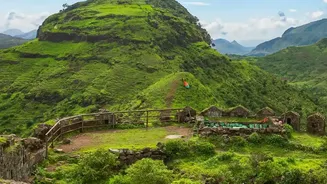
While the peak bloom is still a few weeks away, a drive towards the Kaas Plateau is magical even in late August. Known as Maharashtra's Valley of Flowers, this UNESCO World Heritage Site is preparing for its annual spectacle. The blooming season, dependent on monsoon patterns, typically starts in early to mid-September and peaks towards the end of the month. Even before the full carpet of flowers appears, the drive to the plateau is serene, offering views of verdant hills and tranquil lakes. The area becomes a misty, ethereal landscape shrouded in gentle drizzles. Preparations for the 2026 season are underway, with authorities planning traffic management to ensure a smooth experience for the thousands of expected visitors. Online booking through the official website is often mandatory for visits during the peak season, so it is wise to plan ahead.
Tapola: Journey to 'Mini Kashmir'
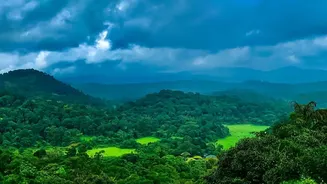
For a drive that leads to serene backwaters, head towards Tapola, located about 25 kilometres from Mahabaleshwar. Often called the 'Mini Kashmir' of the region, Tapola is a rustic hamlet famous for the stunning Shivsagar Lake, a 90-kilometre-long reservoir formed by the Koyna dam. The drive is picturesque, and the destination is a hub for water activities like boating and kayaking, weather permitting. The main attraction is simply soaking in the tranquil scenery of the lake surrounded by lush, green hills. It’s an ideal escape for those looking to slow down and avoid the more crowded tourist spots. Treks to nearby forts like Vasota are also popular, though they require permissions and are best undertaken with caution during the monsoon.
Essential Monsoon Driving Tips
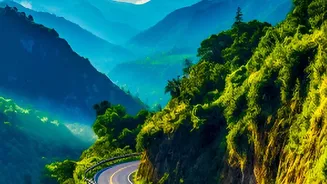
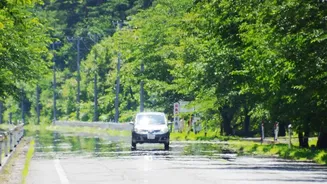
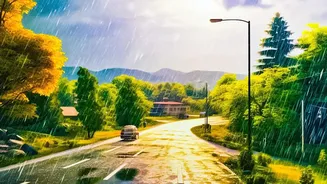
Driving in the Western Ghats during monsoon is rewarding but demands preparation. Roads can be slippery, and visibility is often low due to fog and heavy rain. Ensure your vehicle's tyres, brakes, and wipers are in excellent condition. Start your journey early to avoid driving in the dark. Be particularly cautious on ghat sections, which are prone to landslides after heavy spells of rain. It is crucial to check real-time weather forecasts and traffic advisories from official sources before and during your trip. Pack waterproof jackets and footwear, and protect your electronic devices. Finally, drive slowly, honour the raw power of nature, and be prepared to alter your plans, as some roads or attractions may close at short notice for safety reasons.