


Embrace the Emerald Ocean of Tea
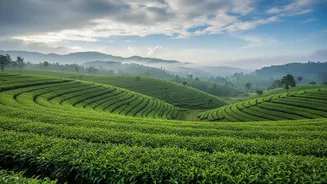
The monsoon is when Assam's world-famous tea gardens come alive. From Jorhat, the 'Tea Capital of the World', to Dibrugarh, the landscape transforms into an endless ocean of glistening, rain-washed leaves. The air is thick with the scent of wet earth
and fresh tea. While heavy rains can make some remote parts challenging to access, many estates like Corramore and Halmari remain open, offering a serene, crowd-free experience. Imagine staying in a colonial-era bungalow, sipping a cup of robust Assam tea while watching the downpour nourish the very plants it came from. The rhythmic pitter-patter on the roof and the vibrant green stretching to the horizon create a meditative experience you won't find during the dry, peak tourist season.
Witness the Mighty Brahmaputra
During the monsoon, the Brahmaputra River swells, showcasing its raw power and majesty. While this can lead to flooding in low-lying areas, it also creates breathtakingly dramatic landscapes. A sunset or sunrise cruise from Guwahati offers a humbling perspective of the river's sheer scale. The grey, monsoon sky meeting the wide, churning waters creates a powerful, moody spectacle. It’s a time to appreciate the river not just as a waterway but as the lifeblood and formidable force of nature that shapes the entire region. The riverfront in cities like Guwahati becomes a place for quiet reflection, watching boats navigate the powerful currents against a backdrop of misty skies.
Explore the Mystical Majuli Island
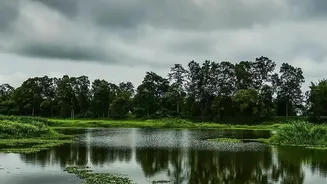
Visiting Majuli, the world's largest river island, during the monsoon is an adventure in itself. While high water levels can make ferry services unpredictable, the reward is a landscape of unparalleled serenity. The island's rice paddies turn a brilliant, shimmering green, and its wetlands swell, attracting a chorus of birds. The famous Satras (Vaishnavite monasteries) take on a more profound sense of peace amidst the rain. Biking along muddy paths, sharing tea with locals, and watching storms roll across the water is an intimate and authentic way to experience a culture deeply connected to the river's rhythms. It's a trip for the flexible and adventurous traveller, offering a glimpse of Majuli at its most raw and beautiful.
Chase Thundering Waterfalls
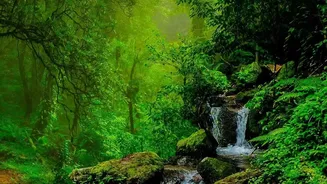
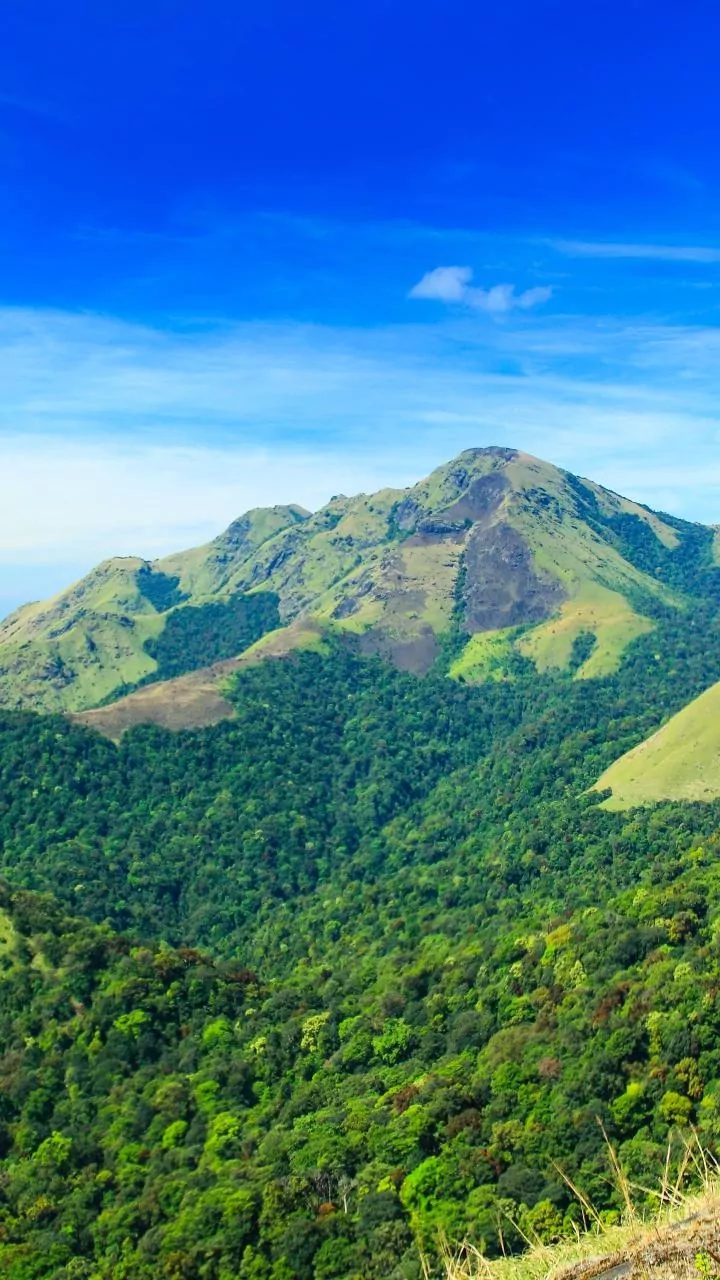
If there's one thing the monsoon guarantees, it's spectacular waterfalls. The rain feeds countless cascades across the state, bringing them to their thunderous peak. In the Dima Hasao district, Haflong—Assam's only hill station—becomes a misty haven surrounded by newly awakened streams. Nearby, the Panimur Waterfalls become a powerful spectacle. Closer to Guwahati, you can find smaller but equally enchanting falls. The drive through the rain-soaked hills, with mist clinging to the valleys and the sound of rushing water growing ever louder, is a core part of the experience. It’s a photographer’s dream and a nature lover’s delight.
A Note on National Parks
It's important to set expectations for wildlife viewing. Major national parks like Kaziranga and Manas are largely closed during the monsoon months (typically June to October) due to flooding and for the safety of both visitors and animals. The core areas become inaccessible. However, the season offers other opportunities. Parks on higher ground or with different ecosystems, like Dibru-Saikhowa National Park, are known for their wetland beauty during this time and may offer boat safaris. Pobitora Wildlife Sanctuary, with its dense rhino population, can also offer a unique, lush green safari experience in the fringe season. Always check official park websites for the most current access information before planning your trip.