






What Is This Green Powder Anyway?
Before it was an Instagram star, matcha was a cornerstone of Japanese tea ceremonies for centuries. Unlike regular green tea, where you infuse the leaves in water and then discard them, matcha is made from finely ground, high-quality tea leaves. By consuming
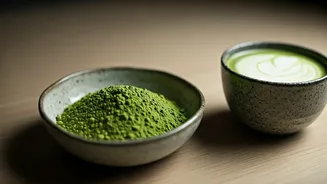
the entire leaf, you get a more potent punch of flavour, caffeine, and nutrients. The taste is complex—often described as grassy or vegetal with a subtle, savoury 'umami' undertone and a sweet, lingering finish. This unique profile sets it apart from the familiar bitterness of other teas and the sweetness of coffee, offering a sophisticated alternative for the discerning palate.
From Zen Monks to Urban Cafes
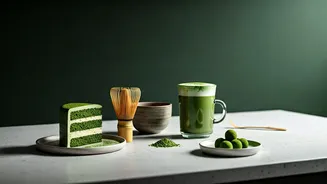
Matcha’s story begins over 800 years ago with Zen Buddhist monks, who used it to remain alert and calm during long periods of meditation. It was a drink of ritual and mindfulness. Its journey to the global mainstream began slowly, but its arrival in urban India feels sudden and decisive. In cities like Mumbai, Delhi, and Bengaluru, specialty coffee shops and wellness-focused cafes have become the primary ambassadors for the trend. They've moved beyond the traditional hot tea, incorporating matcha into everything from frothy lattes and chilled coolers to decadent desserts like tiramisu, cookies, and mochi ice cream. This culinary creativity has made matcha accessible and exciting for a new generation of Indian consumers.
Riding the Health and Wellness Wave
A huge part of matcha’s appeal lies in its perceived health benefits. Because you consume the whole leaf, it's incredibly rich in antioxidants, particularly catechins like EGCG, which are linked to protecting against cell damage and reducing inflammation. It also contains L-theanine, an amino acid that promotes a state of 'calm alertness'. Unlike the jittery buzz from a strong cup of coffee, the caffeine in matcha provides a more sustained, gentle energy boost without the subsequent crash. In a post-pandemic world where wellness and immunity are top of mind for many urban Indians, a drink that promises both a mindful ritual and a nutritional boost is an easy sell.
Made for the 'Gram
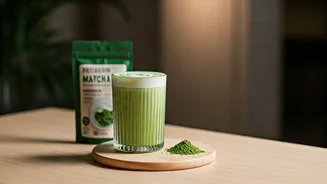
Let’s be honest: matcha is incredibly photogenic. Its brilliant jade-green colour pops against the white foam of a latte or the dark crumb of a chocolate cake. In an age dominated by visual social media, the aesthetic appeal cannot be overstated. A beautifully crafted matcha latte is not just a drink; it's a status symbol, a lifestyle statement, and a piece of shareable content. Cafes are leaning into this, creating visually stunning presentations that are practically designed to be photographed and shared. This organic, user-generated marketing has been a powerful engine driving the trend, creating a cycle of discovery and desire among urban millennials and Gen Z.
A Passing Fad or Here to Stay?
With any new trend, the big question is whether it has staying power. While some may dismiss matcha as another fleeting wellness fad like celery juice or activated charcoal, there are signs it might stick around. Its versatility is a major asset; it works in both sweet and savoury contexts, hot and cold drinks. Furthermore, its roots are in a deep, respected culinary tradition, giving it more substance than a simple 'superfood' ingredient. As the Indian palate becomes more global and experimental, and the focus on mindful consumption grows, matcha is well-positioned to evolve from a trendy novelty into a permanent fixture on the menu. It offers a unique flavour experience, a compelling health narrative, and undeniable visual appeal—a trifecta for modern consumer tastes.