


Chase Cascading Waterfalls
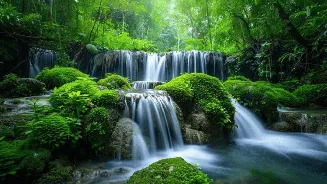
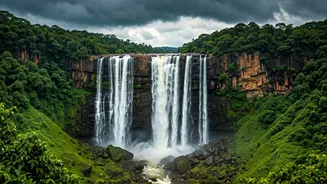
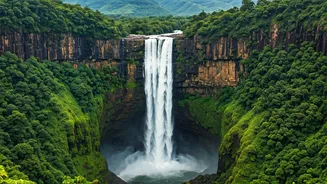
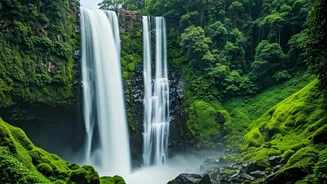
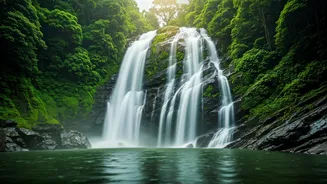
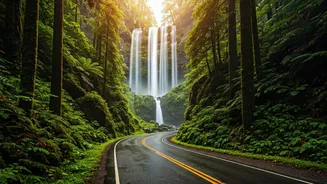
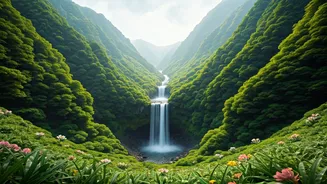
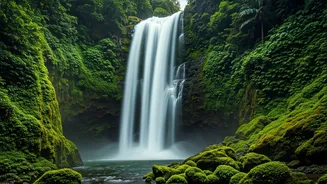
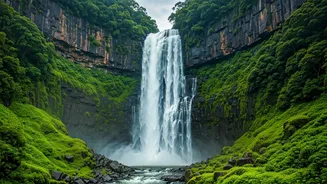
If you want to witness waterfalls in their most thunderous and magnificent state, this is your moment. The heavy monsoon rains have fed India’s rivers, and from now through early winter, waterfalls across the country are at their peak volume. The roar
of the water, the cool mist on your face, and the lush, rain-fed greenery surrounding them create an unforgettable sensory experience. Destinations like Athirappilly Falls in Kerala, often called the 'Niagara of India', or Jog Falls in Karnataka, which becomes a spectacular segmented cascade, are prime examples. It’s not just about the major falls; countless smaller, seasonal streams come to life in the hills of the Western Ghats and the Himalayas, making any road trip a journey of discovery.
Go on a Birdwatching Spree
As the weather cools, India transforms into a paradise for birdwatchers. This season marks the beginning of the great migration, as birds from the colder regions of Europe, Central Asia, and Siberia start arriving for the winter. Wetlands and sanctuaries become bustling avian hubs. Head to Keoladeo National Park in Rajasthan, a UNESCO World Heritage site, to see thousands of waterfowl, including the famed Siberian cranes in some years. Chilika Lake in Odisha, Asia's largest brackish water lagoon, hosts a breathtaking number of flamingos, pelicans, and waders. You don’t even need to travel far; local lakes and green patches in most cities will see an uptick in bird activity. All you need is a pair of binoculars and a little patience to be rewarded.
Trek Through Emerald Hills
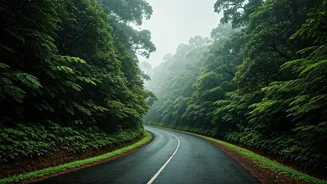
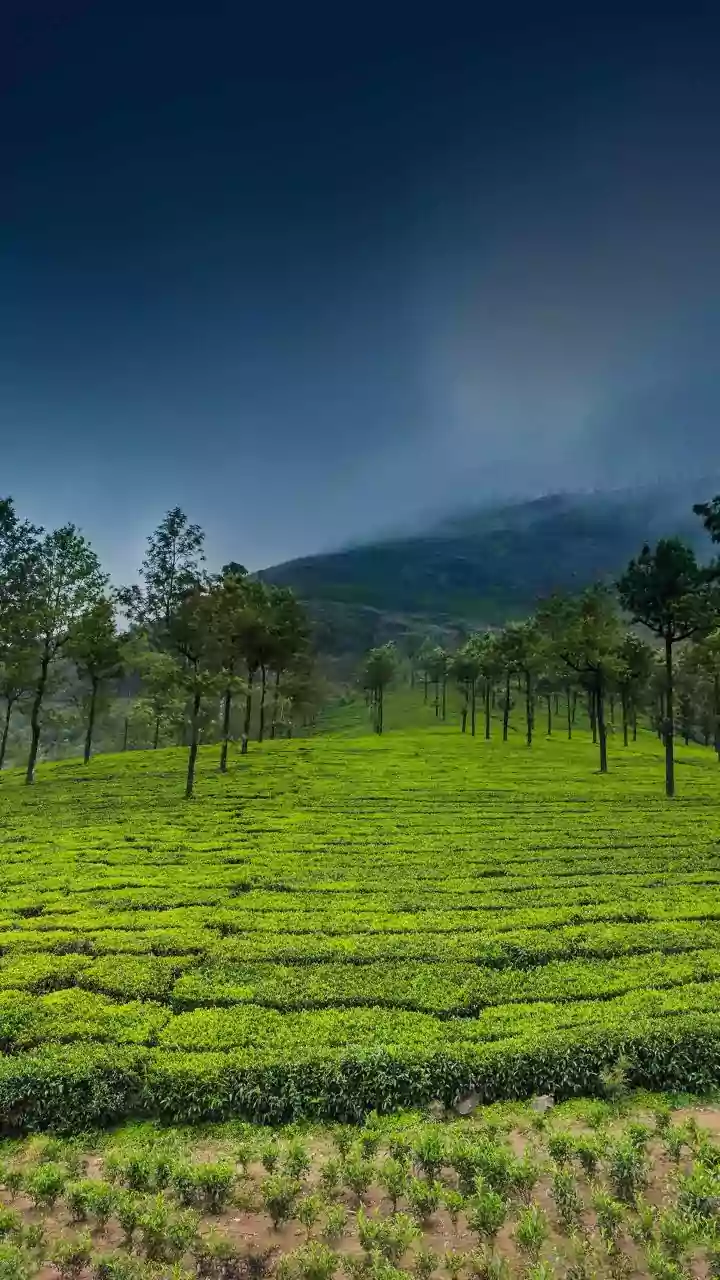
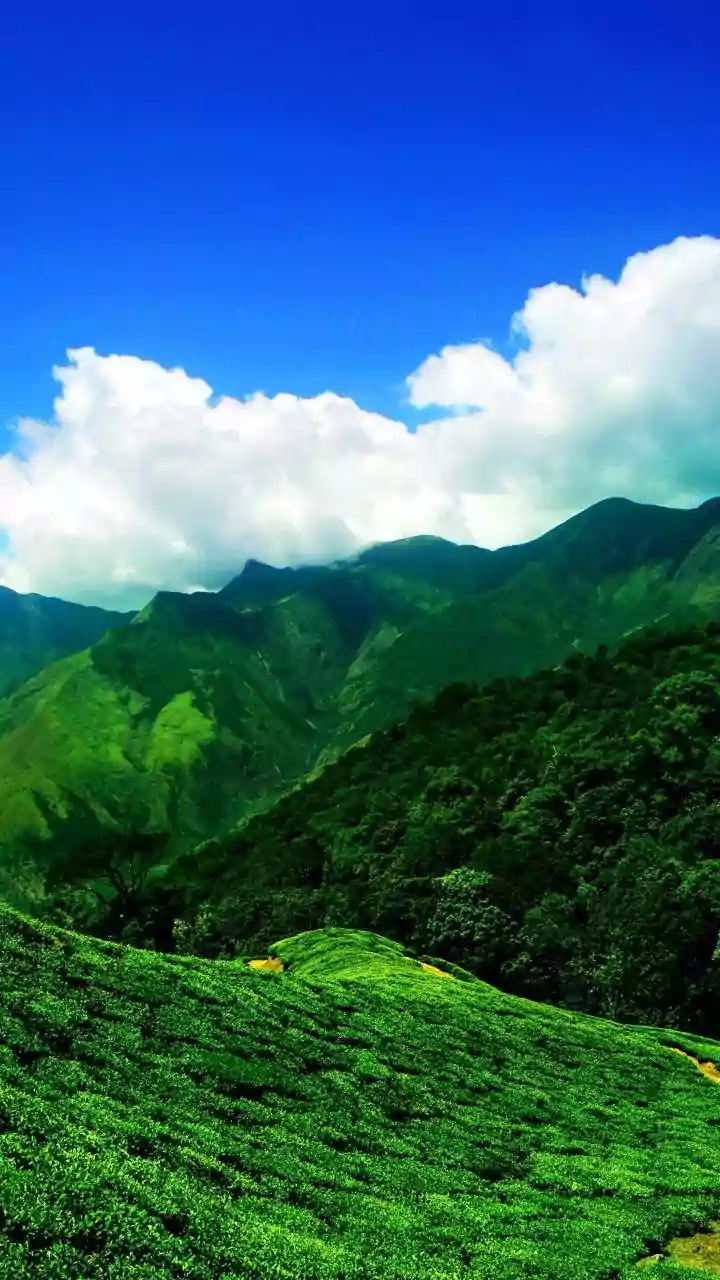
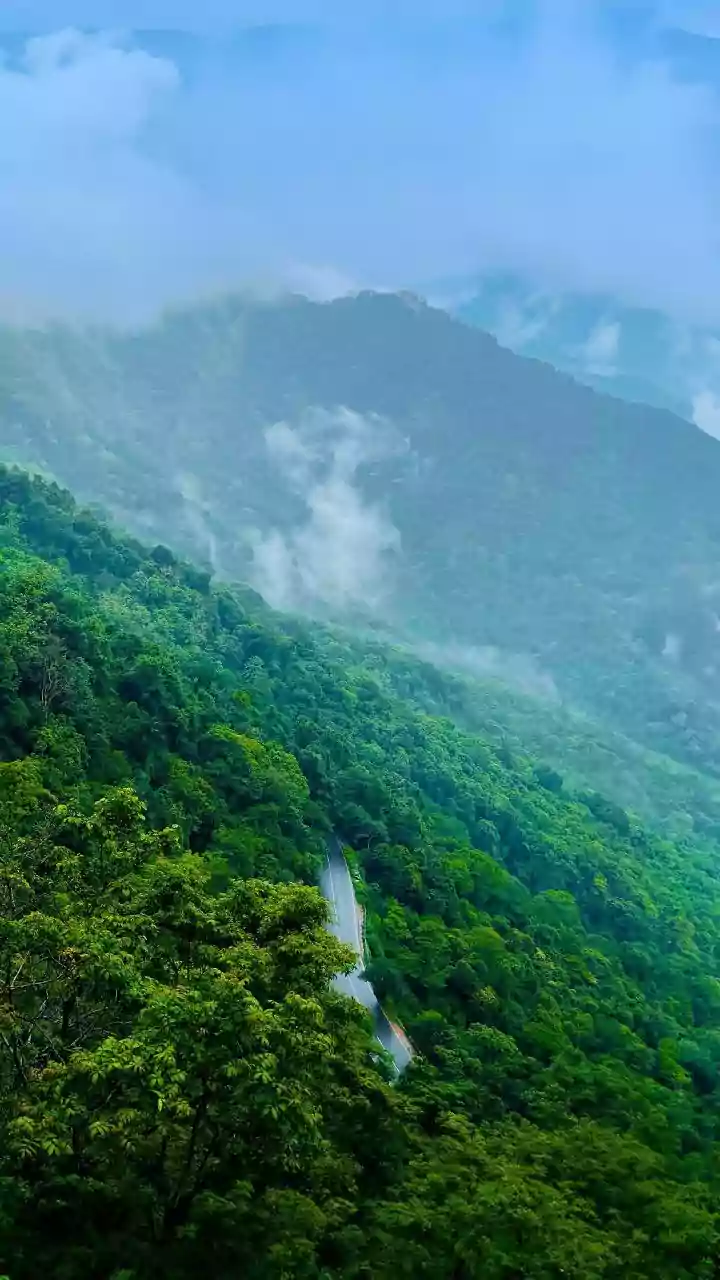
The post-monsoon period offers a perfect window for trekking, with pleasant temperatures and landscapes that are still bursting with life. The trails, washed clean by the rains, are less dusty, and the visibility is often crystal clear, offering panoramic views. In the Western Ghats of Maharashtra, Karnataka, and Kerala, the hills are covered in a carpet of vibrant green, dotted with wildflowers. Treks to ancient forts or scenic peaks become immensely rewarding. For those seeking higher altitudes, the lower Himalayan trails in states like Uttarakhand and Himachal Pradesh are accessible and stunning before the heavy winter snows set in. The air is fresh, the streams are full, and the feeling of walking through a rejuvenated world is simply magical.
Witness a Carpet of Flowers
While the Valley of Flowers in Uttarakhand is a famous monsoon trek, the post-monsoon season has its own floral spectacles. The most famous is the Kaas Plateau in Maharashtra, a UNESCO World Natural Heritage site. For a few weeks around September and October, this lateritic plateau transforms into a vibrant tapestry of over 850 different species of flowering plants. The landscape is dotted with pink, purple, yellow, and white blooms, creating a dreamlike effect. It’s a phenomenon that attracts botanists, photographers, and nature lovers from all over. Similar, smaller-scale blooms can be found in other parts of the country, where the land celebrates the departure of the rains with one last, brilliant burst of colour before winter.
Reconnect in National Parks
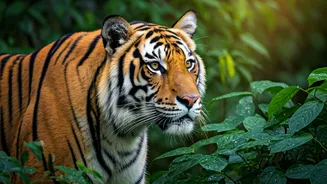
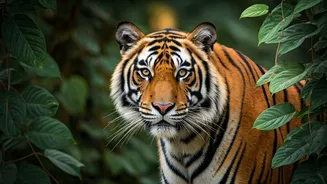
Many of India's premier national parks and tiger reserves, which close during the peak monsoon months due to inaccessible tracks, reopen their gates from October onwards. This is an incredible time for a safari. The vegetation is thick and lush, the waterholes are full, and the animals are often more active in the pleasant weather. The forest feels alive and renewed. Whether you're hoping to spot a tiger in the grasslands of Corbett in Uttarakhand, track elephants in the dense forests of Periyar in Kerala, or see rhinos against a green backdrop in Kaziranga in Assam, this season offers a rich and rewarding wildlife experience. The light is softer, making it a golden period for photographers, and the overall atmosphere is one of tranquility and abundance.