




The Humble Bhutta (Corn on the Cob)
The smoky aroma of roasted bhutta is synonymous with the Indian monsoon. More than just a nostalgic snack, corn is a nutritional powerhouse perfectly suited for the season. It is loaded with dietary fibre, which aids digestion and prevents the bloating
and sluggishness often experienced in damp weather. Rich in antioxidants like lutein and zeaxanthin, it supports eye health, which is crucial when infections like conjunctivitis are common. Since it's typically roasted or steamed, it's a healthier alternative to deep-fried snacks. Its vitamin content, including A, B, and C, helps bolster the immune system, keeping seasonal illnesses at bay.
The Versatile Jamun (Java Plum)
This deep purple fruit makes its grand entrance with the first showers. Jamun is celebrated not just for its unique sweet and tart flavour but also for its impressive health benefits. It is packed with vitamin C and powerful antioxidants called anthocyanins, which strengthen the body's defence against infections. Its high fibre content promotes healthy digestion and nourishes good gut bacteria, helping to prevent common monsoon stomach issues. Traditionally used in Ayurvedic medicine for managing blood sugar levels, jamun contains compounds that may improve insulin sensitivity. It also has a natural cooling effect on the body, which can be comforting during humid days.
The Hardy Karela (Bitter Gourd)
While its bitter taste might not be for everyone, Karela is a vegetable worth embracing, especially during the rains. Its potent medicinal properties make it a monsoon essential. It's packed with vitamin C and antioxidants that significantly boost the immune system, helping the body fight off common colds and infections. The humid weather can lead to skin problems, and karela’s anti-inflammatory and antimicrobial properties help combat acne and fungal infections. Furthermore, it is excellent for digestive health, stimulating the production of digestive enzymes and bile to prevent constipation and indigestion, which are frequent complaints during this season.
The Powerful Sattu (Roasted Gram Flour)
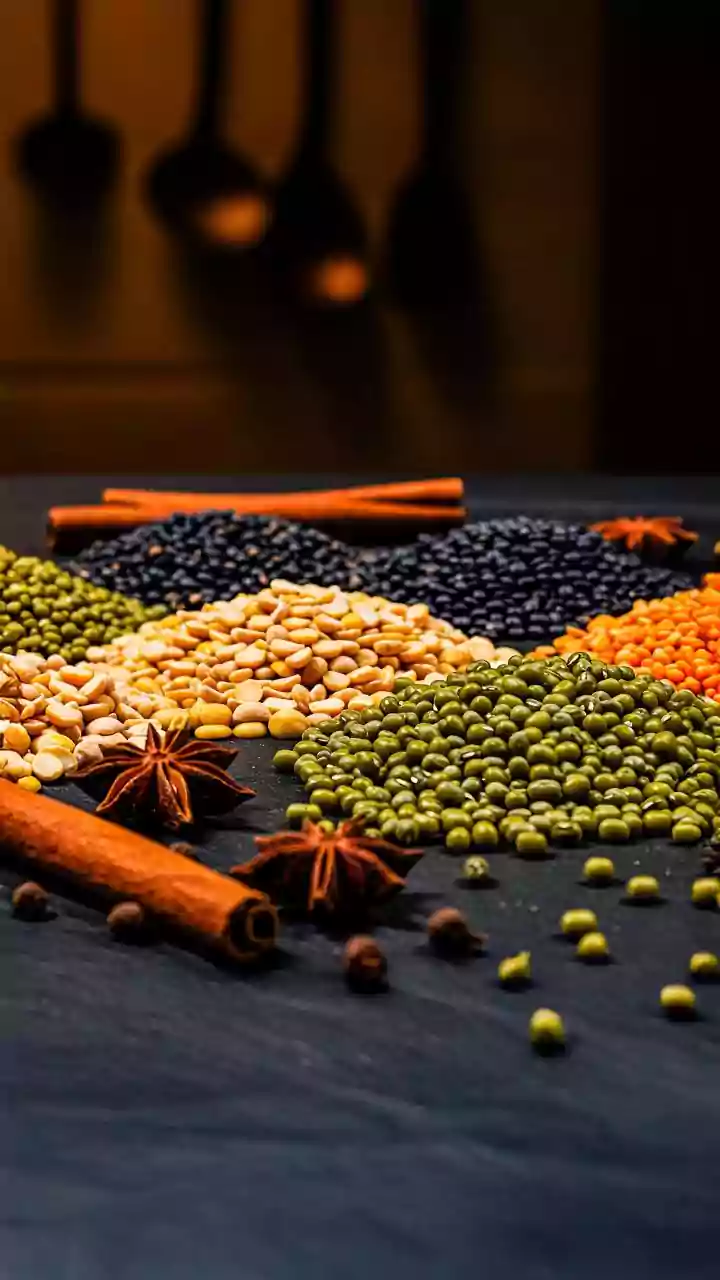
A staple in many parts of India, sattu is a humble yet incredibly effective superfood for the monsoon. This protein-rich flour, made from roasted Bengal gram, is a fantastic source of energy and nutrients. Its high fibre content aids digestion, detoxifies the system, and can help with weight management by keeping you full for longer. Sattu is also a natural coolant, helping to keep the body hydrated and replenishing electrolytes lost due to humidity. As a prebiotic, it supports a healthy gut microbiome, which is the foundation of a strong immune system. A simple sattu sherbet can be a refreshing and nourishing drink to combat monsoon fatigue.
The Golden Spice Duo: Ginger and Turmeric
No Indian kitchen is complete without ginger and turmeric, and their importance skyrockets during the monsoon. Ginger is a warming spice that aids digestion, soothes sore throats, and helps clear congestion. Turmeric contains curcumin, a powerful compound with anti-inflammatory, antioxidant, and antimicrobial properties that fortify the immune system. Combining these two in a warm herbal tea, often with a dash of black pepper to enhance curcumin absorption, creates a potent brew to ward off seasonal flu and infections. This traditional remedy supports respiratory wellness and helps the body adapt to the cool, damp weather.