







The ‘Why’: From Burning Calories to Building Capability
For years, many of us have associated exercise with one thing: burning calories. Cardio is king in that realm. But fitness is more than just a numbers game on a treadmill. The goal of functional strength training is to build power and resilience for everyday
activities. Think about lifting a heavy suitcase into an overhead bin, carrying a gas cylinder, or playing with children without feeling exhausted. This is functional strength—strength that serves a purpose in your daily life. By adding heavy lifting, you’re not just building muscle; you’re enhancing your body’s ability to handle daily physical challenges with ease and reducing your risk of injury.
Don't Ditch Cardio, Integrate Strength
A common mistake is thinking you need to choose one or the other. The best approach is a gradual integration. Don't stop your cardio routine cold turkey. Instead, start by replacing one cardio session per week with a full-body strength workout. For example, if you currently run four days a week, try running for three and dedicating one day to lifting. This allows your body to adapt without feeling overwhelmed. Over time, you can adjust the balance to fit your new goals, perhaps moving to two cardio days and three strength days. This approach gives your muscles time to recover and prevents burnout.
Master Form Before Weight
This is the most crucial rule in weightlifting. Before you even think about lifting heavy, you must master the correct form with lighter weights or even just your body weight. Bad form is the quickest path to injury and builds poor muscle memory that is hard to correct later. Focus on foundational, compound movements that work multiple muscle groups at once. These include squats, deadlifts, overhead presses, and rows. Watch tutorials, record yourself to check your form, or consider hiring a coach for a few sessions. Getting the movements right from the beginning will ensure you build strength safely and effectively. Never add weight at the expense of good form.
Embrace Progressive Overload
To get stronger, you must consistently challenge your muscles. This principle is called progressive overload. It simply means gradually increasing the stress on your muscles over time. If you lift the same weight for the same number of repetitions every week, your body will adapt and you'll hit a plateau. Progressive overload can be achieved in several ways: by increasing the weight, adding more repetitions or sets, or reducing your rest time between sets. For example, once you can comfortably perform 3 sets of 10 reps of a squat with a certain weight, it's time to increase the weight slightly for your next session. This is the fundamental driver of strength and muscle gain.
Fuel Your Body and Prioritise Rest
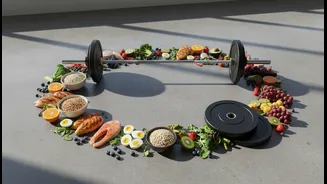
Heavy lifting places significant demands on your body, and your nutrition and rest must be adjusted accordingly. Cardio burns fuel during the workout, but lifting requires fuel to repair and rebuild muscle tissue afterwards. This means paying more attention to your protein intake, which is essential for muscle repair. Aim to consume a balanced meal with protein and complex carbohydrates a couple of hours before your workout, and a protein-rich snack or meal within an hour or two after. Don't neglect carbohydrates, as they are your body's primary energy source. Equally important is sleep. Your muscles don't get stronger in the gym; they get stronger while you rest and recover. Aim for 7-9 hours of quality sleep per night to allow your body to do its repair work.
Listen to Your Body, Not Your Ego
Finally, leave your ego at the gym door. It's tempting to try and lift as much as the person next to you, but this often leads to compromised form and injury. Progress is not always linear. Some days you will feel strong, and other days you won't. That's perfectly normal. Pay attention to your body's signals. Muscle soreness is normal, but sharp or persistent pain is a red flag. Don't be afraid to take an extra rest day when you need it. Consistency over time is what builds strength, not one heroic but reckless workout.