




The Challenge of Raw Peeling
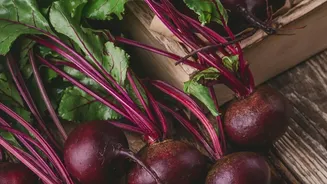
Anyone who has tried to peel a raw beetroot knows the struggle. The tough, uneven skin can be difficult to remove with a standard vegetable peeler, often leading to wasted flesh and a high risk of slipping. More notoriously, the process unleashes a torrent
of crimson juice that seems to have a magnetic attraction to your hands, clothes, and porous wooden cutting boards. While gloves and covering surfaces can help, the process remains a messy and sometimes frustrating endeavour that can discourage even the most enthusiastic home cook.
The Superior Method: Roast First
The secret to mess-free beet prep is to cook them whole, with the skins on. Roasting is an ideal method. By wrapping whole, washed beets in foil or placing them in a covered dish, you effectively steam them in their own moisture. This process does two wonderful things: it cooks the beet to tender perfection and, crucially, it loosens the skin. Once cooked and cooled just enough to handle, the once-stubborn peel slides off with surprising ease, often with just the gentle pressure of your thumbs or a paper towel.
A Step-by-Step Guide
Ready to try the easiest way to prepare beets? First, preheat your oven to around 400°F (200°C). Wash your beets thoroughly to remove any dirt, then trim the leafy tops, leaving about an inch of the stem attached. This helps prevent the juices from bleeding out during cooking. Place each beet on a piece of aluminium foil, drizzle with a little olive oil, and wrap it up tightly. Place the foil-wrapped beets on a baking sheet and roast until they are tender enough to be easily pierced with a fork. This can take anywhere from 45 to 90 minutes, depending on their size. Let them cool for about 10 minutes, then use a paper towel or your fingers to rub the skins right off.
More Than Just a Cleaner Method
While cleanliness is a huge advantage, roasting beets before peeling offers other significant benefits. Cooking the beet whole with its skin on helps to lock in moisture, nutrients, and flavour. Roasting concentrates the beet's natural sugars, resulting in a sweeter, more intensely flavoured vegetable compared to boiling, which can leach flavour and colour into the water. The final product is not just easier to peel but also more delicious, with a tender texture and a deep, earthy sweetness that makes it a versatile ingredient for salads, sides, and more.
Tips for Perfect Results
To ensure success, try to use beets that are similar in size so they cook evenly. Once roasted, let them cool down until they are comfortable to handle but still warm, as this is when the skins slip off most easily. Running them under a bit of cool water can also help with peeling and keeps any residual juice contained to the sink. If you do get beet juice on your hands, a scrub with lemon juice and salt can help remove the stains. For cutting boards, avoid using your favourite wooden ones; a plastic board is much easier to clean.