






The Ancient Wisdom in Your Spice Box
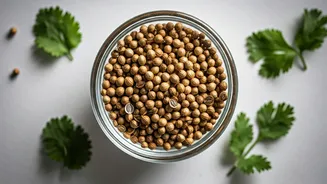
Long before there were pharmacies on every corner, Indian kitchens doubled as medicine cabinets. Our grandmothers knew that the secret to good health often began in the gut, and they had a treasure trove of remedies stored in their spice tins. Cumin (jeera)
and fennel (saunf) are two of the most celebrated stars of this tradition. Used for centuries to aid digestion and soothe stomach ailments, these humble seeds are now being recognised by modern science for their powerful properties. This simple morning brew isn't a new fad; it's a time-tested ritual for digestive wellness that is easy to bring into your modern life.
The Power of Jeera (Cumin)
Cumin, or jeera, is more than just a flavouring agent for your dal or sabzi. It is a digestive powerhouse. Cumin seeds are known to stimulate the secretion of digestive enzymes, which helps speed up the digestion process and allows your body to absorb nutrients more efficiently. One of the primary causes of bloating is slow digestion and the buildup of gas. Cumin contains compounds like thymol that stimulate the glands responsible for producing acids, bile, and enzymes. This helps in the complete digestion of food, preventing the fermentation that leads to gas and that uncomfortable, swollen feeling. Its carminative properties mean it actively helps in expelling gas from the gastrointestinal tract, providing almost immediate relief.
The Soothing Touch of Saunf (Fennel)
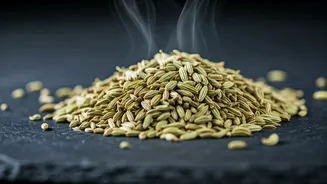
Fennel seeds, or saunf, are the quintessential after-meal mouth freshener for a reason. Beyond their sweet, refreshing taste, they possess potent medicinal qualities. Fennel is particularly effective at relaxing the smooth muscles of the gastrointestinal tract. When these muscles are tense, they can cause cramping and hinder the passage of gas, leading to painful bloating. The essential oils in fennel, particularly anethole, have anti-inflammatory and antispasmodic properties. This means they not only help in reducing inflammation in the gut but also calm muscle spasms. By soothing the intestinal tract, saunf allows trapped gas to pass easily, deflating a bloated belly and easing discomfort.
Your Simple Cumin-Fennel Brew Recipe
Making this digestive tonic is incredibly simple and requires just a few minutes. You don’t need any special equipment—just a pot, water, and your spices.
**Ingredients:**
- 1 teaspoon of whole cumin seeds (jeera)
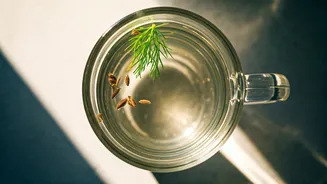
- 1 teaspoon of whole fennel seeds (saunf)
- 1.5 cups of water
**Instructions:**
1. In a small saucepan or pot, add the water, cumin seeds, and fennel seeds.
2. Bring the water to a boil over medium heat.
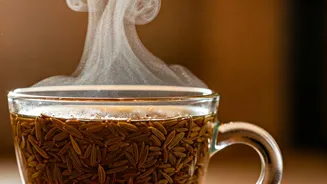
3. Once it starts boiling, reduce the heat and let it simmer for about 5 to 7 minutes. This allows the water to become infused with the beneficial compounds from the seeds. You'll notice the water changing to a light brownish-yellow hue and the air filling with a fragrant, earthy aroma.
4. Turn off the heat and strain the brew into a cup.
5. Let it cool down slightly until it’s warm and comfortable to drink. For best results, consume it warm.
Making It a Morning Habit
To get the most benefit from this cumin-fennel brew, it is best consumed first thing in the morning on an empty stomach. Drinking it at this time helps to kick-start your digestive system for the day, preparing it for the meals to come. It can also help flush out toxins and hydrate your body after a night’s sleep. The warm liquid is gentle on your system and works to soothe your gut before you introduce any food. Make it a part of your morning ritual, perhaps enjoying it while you read the news or plan your day. Consistency is key to seeing a noticeable reduction in bloating and an improvement in your overall digestive comfort.
A Word on Safety and Moderation
While this brew is natural and safe for most people, it's important to be mindful. The headline says “safely,” and that means listening to your body. Both cumin and fennel are potent spices.
- **Start small:** If you're new to this, you might want to start with half a teaspoon of each spice to see how your body reacts.
- **Pregnancy and breastfeeding:** Pregnant or breastfeeding women should consult their doctor before adding any new herbal remedy to their routine, including this one.
- **Medical conditions:** If you have a known medical condition, especially related to the liver or bleeding disorders, or if you are on any medication, it is essential to speak with your doctor first.
- **Allergies:** While rare, allergies to these spices can occur. If you experience any adverse reactions, stop drinking the brew immediately.