






The Science of Sticky Nights
The primary reason high humidity sabotages sleep is its interference with your body's natural cooling system. For you to fall and stay asleep, your core body temperature needs to drop slightly. Your body primarily cools itself through the evaporation
of sweat. However, when the air is already saturated with moisture — as it is on humid nights — sweat cannot evaporate efficiently from your skin. This traps heat, making you feel warm, sticky, and uncomfortable. This physical discomfort can lead to increased wakefulness and prevent you from entering the deeper, more restorative stages of sleep, like REM and slow-wave sleep.
It’s Not Just the Stickiness
Beyond simple discomfort, high humidity creates a perfect breeding ground for other sleep disruptors. Mould, mildew, and dust mites thrive in damp environments. These allergens can trigger or worsen respiratory issues, leading to nasal congestion, coughing, and snoring, all of which can fragment your sleep. People with asthma or allergies are particularly vulnerable. The air in a humid room can feel heavy and difficult to breathe, adding to a sense of restlessness. Overcast monsoon days also mean less exposure to sunlight, which can throw off our internal body clock, or circadian rhythm, further impacting sleep quality.
What is the Ideal Sleep Environment?
To combat these issues, aiming for the right bedroom climate is key. According to most experts, the ideal relative humidity for sleeping is between 30% and 50%. This range is low enough to allow for effective sweat evaporation but not so low that it causes dryness in your skin and nasal passages. Anything above 60% is generally considered too high, as this is the threshold where mould growth can accelerate. A simple, inexpensive device called a hygrometer can help you measure the humidity levels in your bedroom, giving you a clear picture of your starting point.
Simple, Low-Cost Humidity Hacks
You don't necessarily need expensive equipment to make a difference. Improving ventilation is one of the most effective strategies. When the air outside is less humid, open windows and doors to create a cross-breeze. Use exhaust fans in kitchens and bathrooms to pull moist air out of your home. You can also try natural desiccants. Placing bowls of rock salt, baking soda, or charcoal in damp corners can help absorb excess moisture from the air. Ensuring your clothes are fully dry before putting them away in closets also prevents a source of lingering dampness.
Investing in a Drier Sleep
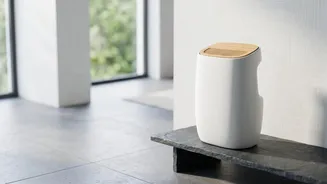
For those living in extremely humid climates, investing in a dehumidifier can be a game-changer. These appliances are specifically designed to pull moisture from the air, helping you maintain that ideal 30-50% humidity range. Many modern air conditioners also have a 'dry' or dehumidifying mode that can be very effective at making the room more comfortable without making it excessively cold. When using an AC, ensure it's the right size for your room and that filters are cleaned regularly for optimal performance.
Adjust Your Bedtime Routine
Small changes to your daily habits can also promote better sleep during the monsoon. Opt for lightweight, breathable bedding made from natural fabrics like cotton or linen, which are much better at wicking moisture away from your body than synthetic materials. A lukewarm or cool shower before bed can help lower your body temperature, signalling to your body that it's time to sleep. Avoid heavy, fatty foods close to bedtime, as digestion can raise your body temperature. And while the pitter-patter of rain is a monsoon highlight for many, remember that mosquitoes also thrive in this season, so ensure you're protected with nets or repellents to avoid sleep-disrupting bites.