





The Sweetheart of Social Media
The dessert captivating Indian food lovers is Mango Sticky Rice. Known traditionally as Khao Niao Mamuang in its native Thailand, this dish has exploded in popularity across India’s urban centres. It’s the star of countless Instagram reels, the highlight
on Pan-Asian restaurant menus, and the subject of excited conversations among foodies. In a country that celebrates mango season with religious fervour, the arrival of this photogenic and delicious contender for ‘best mango dish’ was perhaps inevitable. It’s more than just a passing trend; it’s a culinary phenomenon that perfectly marries a national obsession with a global palate.
A Symphony of Simple Flavours
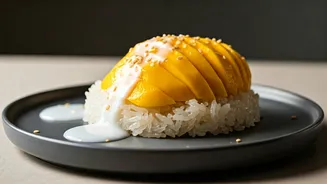
So, what exactly is this delight that has everyone swooning? The magic of Mango Sticky Rice lies in its elegant simplicity and the perfect balance of its components. At its heart are three core ingredients. First, glutinous rice (or sticky rice), which is steamed until tender and chewy. This isn't your everyday rice; it has a unique texture that’s both soft and satisfyingly dense. Second, a rich and fragrant coconut sauce, made by simmering thick coconut milk with a bit of sugar and a pinch of salt. This sweet-and-salty sauce is poured over the warm sticky rice, infusing it with creamy goodness. Finally, the crowning glory: slices of perfectly ripe, sweet, and fragrant mango. The combination is a masterclass in texture and taste—the chewy rice, the silky sauce, and the soft, juicy fruit create a harmonious and utterly addictive experience.
A Beloved Thai Tradition
While it may be new to many in India, Mango Sticky Rice has been a beloved staple in Thailand for centuries. It's a seasonal treat, enjoyed when mangoes are at their peak sweetness and availability, typically during the hot months from April to June. In Thailand, you’ll find it everywhere, from humble street food stalls to high-end restaurants. It's a dessert that evokes a sense of comfort, celebration, and the simple joys of seasonal produce. Its cultural significance there is deep-rooted, much like how Indians feel about Aamras or Mango Kulfi during our own summer season. Understanding its origin adds a layer of appreciation; you're not just eating a trendy dish, you're partaking in a rich culinary tradition.
Why It’s Booming in India Now
The meteoric rise of Mango Sticky Rice in India can be chalked up to a perfect storm of factors. Firstly, the Indian palate has become increasingly adventurous. Diners are more open than ever to exploring authentic international cuisines, and Thai food has long been a favourite. Secondly, the dish taps directly into India's profound love for mangoes. It presents a familiar, beloved flavour in a new and exciting format. Thirdly, its visual appeal is undeniable. The vibrant yellow of the mango against the pristine white of the sticky rice makes it incredibly 'Instagrammable', a crucial factor in the viral spread of food trends today. It looks as good as it tastes, ensuring that once people see it, they want to try it.
How to Get Your Fix
Ready to see what all the fuss is about? You have two options. The easiest is to head to a good Pan-Asian or dedicated Thai restaurant near you; most now feature it prominently on their dessert menus, especially during mango season. But for the more adventurous, making it at home is a rewarding project. The key is sourcing the right ingredients: glutinous rice (often available at specialty grocery stores or online) and good quality coconut milk. The process involves soaking and steaming the rice, preparing the coconut sauce, and artfully arranging it with fresh mango slices. While it requires a bit of effort, the payoff of enjoying a fresh, homemade plate of this sublime dessert is well worth it.