




A Tradition of Comfort
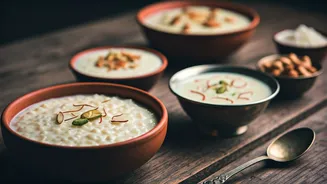
Kheer, in its many forms like payasam or payesh, is more than just a dessert in India; it's a cultural touchstone. Mentioned in ancient texts like the Ramayana and Mahabharata, it's a dish steeped in history and served at festivals, weddings, and celebrations
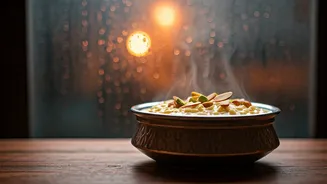
to symbolize joy, prosperity, and unity. But its magic isn't limited to grand occasions. On a grey, rainy day, the simple act of simmering milk and rice, perfumed with cardamom and saffron, becomes a comforting ritual. In Punjab, for instance, kheer is traditionally made to welcome the rains, celebrating rejuvenation and abundance during the Sawan month. It’s this blend of festive importance and everyday comfort that makes kheer so special.
Why Kheer Shines in the Monsoon
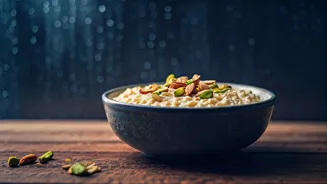
The connection between kheer and the monsoon goes beyond just craving a warm sweet. Traditionally, the season, which marks a transition to cooler weather, calls for foods that are nourishing and balancing. Kheer fits this perfectly. The base of milk and rice provides a good source of carbohydrates for energy and protein for sustenance. Furthermore, the common additions to kheer are chosen for their warming and health-boosting properties, according to Ayurvedic principles. Spices like cardamom and saffron are not just for flavour; they are believed to have properties that are beneficial during the damp monsoon season. Nuts like almonds and pistachios add healthy fats and a satisfying richness, making the dessert a well-rounded and comforting treat.
A World of Kheer: Endless Variations
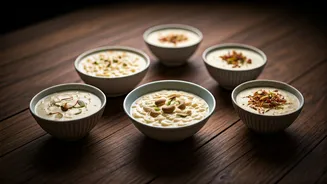
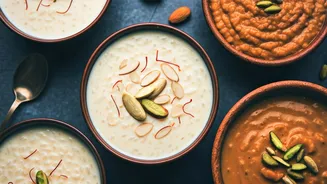
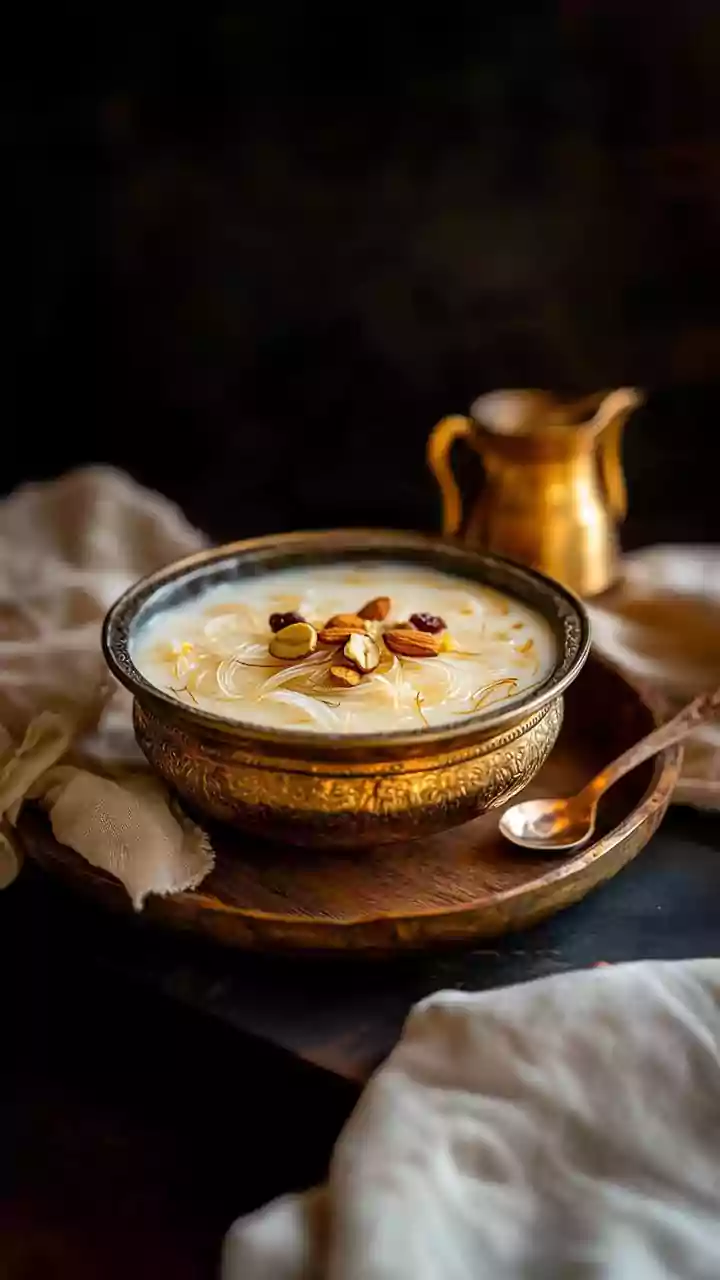
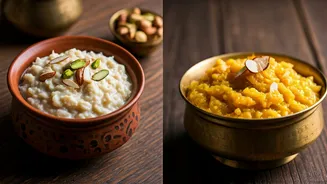
One of the best things about kheer is its incredible versatility. While the classic Chawal ki Kheer (rice kheer) is the most common, nearly every region in India has its own beloved version. Seviyan Kheer, made with roasted vermicelli, is a quick and equally creamy alternative often enjoyed during festivals. Sabudana Kheer, using tapioca pearls, offers a unique, chewy texture and is a popular choice during fasts. In South India, you'll find payasam often sweetened with jaggery and enriched with coconut milk, as in the delicious Ada Pradhaman from Kerala. In Bengal, Nolen Gurer Payesh, made with date palm jaggery, is a seasonal delicacy. This variety means you can adapt the dessert to your taste and what you have in your pantry.
A Simple Recipe for Monsoon Joy
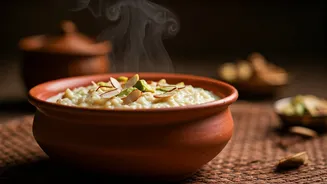
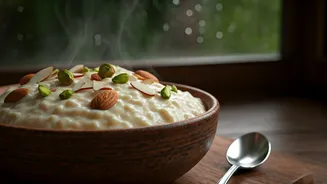
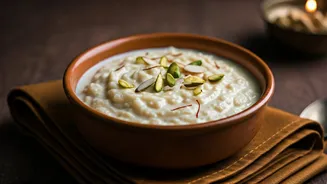
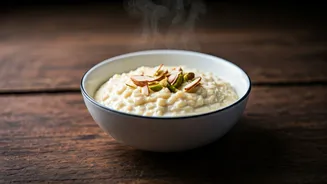
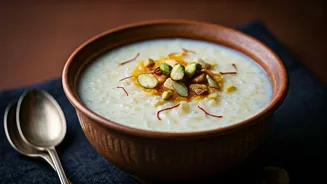
Making a classic rice kheer at home is surprisingly simple. You only need a few key ingredients: milk, rice, sugar, and your choice of flavourings. Start by washing and soaking a small amount of basmati rice. Then, in a heavy-bottomed pan, bring whole milk to a boil. Add the drained rice and let it simmer on low heat, stirring occasionally to prevent it from sticking. As the milk thickens and the rice becomes soft and tender, the kitchen will fill with a comforting aroma. After about 25-30 minutes, when the kheer has reached a creamy consistency, stir in sugar until it dissolves. Finish by adding a pinch of cardamom powder, a few strands of saffron, and a handful of chopped almonds and pistachios. You can serve it warm for immediate comfort or chilled for a different kind of indulgence.