
A Unique Culinary Heritage
Parsi cuisine is a delicious chronicle of a journey. Originating in Persia, the Parsi community migrated to India between the 8th and 10th centuries, settling primarily along the coast of Gujarat. This history is reflected in their food, which masterfully
blends Persian traditions—like the use of dried fruits and nuts—with Indian spices and ingredients. While known for its memorable meat and egg dishes, Parsi cooking also has a significant repertoire of vegetable preparations, influenced by the abundance of fresh produce in their new home. A hallmark of Parsi flavour is the 'khattu mithu teekhu' profile—a delicate and deliberate balance of sour, sweet, and spicy notes that elevates every dish from simple to sublime.
Jackfruit: The 'Vegetable Meat'
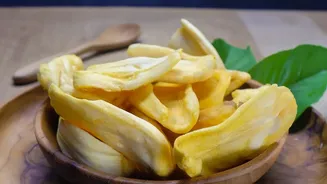
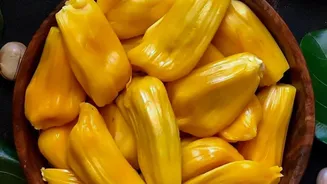
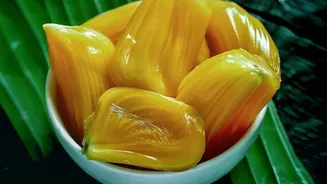
At the heart of this dish is kathal, or raw jackfruit. For centuries, this fruit has been a staple in South and Southeast Asian cooking, but it has recently gained global fame as a popular meat substitute. When unripe, jackfruit has a neutral flavour and a stringy, substantial texture that is remarkably similar to pulled pork or chicken. This versatility allows it to absorb the flavours of the spices and aromatics it's cooked with, making it an ideal canvas for a rich, fragrant curry. Its fibrous nature gives the dish a satisfying 'bite' that even devout meat-eaters can appreciate, turning a simple vegetable curry into a hearty, centrepiece-worthy meal. Many recipes recommend frying the jackfruit pieces before adding them to the gravy to enhance their texture and flavour.
The Parsi Touch
What makes a jackfruit curry distinctly Parsi? It's all in the spice blend and the balance of flavours. While a standard kathal sabzi is beloved across North India, the Parsi version incorporates a signature masala. This often means using a specific Parsi garam masala or, more distinctively, a Dhansak masala. Dhansak masala is an aromatic and mildly spicy blend that includes spices like coriander, cumin, cinnamon, cloves, cardamom, and fenugreek, among others. This complex spice mix, combined with the foundational 'khattu mithu' balance achieved through ingredients like vinegar and a touch of sugar or jaggery, creates a curry that is layered, aromatic, and deeply satisfying.
Recipe: Parsi-Style Kathal Curry
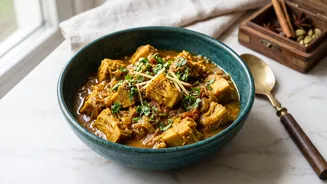
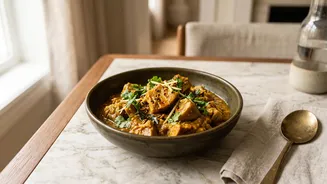
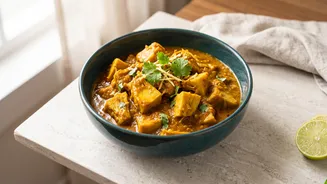
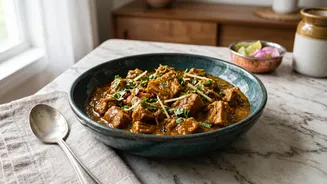
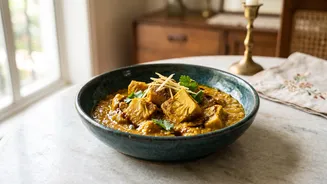
This recipe brings together the meaty texture of jackfruit with the iconic sweet, sour, and spicy flavours of Parsi cooking. Ingredients: - 500g raw jackfruit, peeled and cut into bite-sized pieces - 2 large onions, thinly sliced - 2 large tomatoes, pureed - 1 tbsp ginger-garlic paste - 2 green chillies, slit - 3 tbsp vegetable oil - 1 tsp cumin seeds - 1 bay leaf - 2 cloves - 1-inch cinnamon stick - 1 tsp turmeric powder - 1 tsp Kashmiri red chilli powder - 1.5 tsp Parsi Dhansak masala or a good quality garam masala - 1 tsp coriander powder - 1 tbsp sugarcane vinegar or apple cider vinegar - 1 tsp jaggery or sugar - Salt to taste - Fresh coriander leaves for garnish Instructions: 1. Prepare the jackfruit: It's best to oil your hands and knife before cutting the raw jackfruit to prevent the sticky sap from clinging to them. Boil the jackfruit pieces in salted water with a pinch of turmeric until just tender, about 10-15 minutes. Drain and set aside. 2. Sauté the aromatics: Heat the oil in a heavy-bottomed pan or pressure cooker. Add the cumin seeds, bay leaf, cloves, and cinnamon stick. Once they sizzle, add the sliced onions and fry until they are soft and golden brown. 3. Build the masala: Add the ginger-garlic paste and green chillies, and sauté for another minute until fragrant. Add the tomato puree and cook until the oil starts to separate from the mixture. 4. Spice it up: Stir in the turmeric powder, red chilli powder, coriander powder, and Dhansak masala. Cook for a minute, then add the boiled jackfruit pieces, coating them well with the masala. 5. Simmer to perfection: Add about 1.5 cups of warm water, salt to taste, vinegar, and jaggery. Bring to a boil, then reduce the heat, cover, and let it simmer for 15-20 minutes, or until the jackfruit is completely cooked through and the gravy has thickened. If using a pressure cooker, one whistle is usually sufficient. 6. Finishing touches: Garnish with freshly chopped coriander leaves and serve hot.