







Your Direct Gateway to Vietnam
Getting to Hanoi from India has become remarkably simple and budget-friendly. Airlines like VietJet Air and Vietnam Airlines have established direct flight routes from major Indian hubs including Delhi, Mumbai, Bengaluru, and Ahmedabad. [26, 33, 5] These
non-stop flights, which take approximately four to five hours, have significantly cut down travel time and made spontaneous trips a real possibility. [40, 26] Return fares can be found for as low as ₹20,000 to ₹25,000, particularly if you book a couple of months in advance, making Vietnam a highly competitive destination for an international getaway. [30, 39, 31] Keep an eye out for promotions, especially during the shoulder seasons, to snag the best deals.
The Best Time to Wander
Hanoi's charm unfolds differently with each season, but the best times to visit are during spring (February to April) and autumn (September to November). [15] During these months, the weather is mild, with lower humidity and clearer skies, making it perfect for long walks and sightseeing. [10, 13] Autumn is particularly magical, as the city is bathed in a soft, pleasant light. [10] The summer months (May to September) are more budget-friendly but coincide with the rainy season and higher humidity. [8] Winter (December and January) is cooler and can be foggy, which adds a different kind of atmospheric beauty to the city. [13]
First Steps: Visas and Arrival
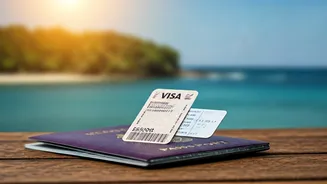
Indian passport holders require a visa to enter Vietnam. [9, 12] The most convenient option is the e-visa, which can be applied for online through the official government portal before your trip. [12, 19] The process is straightforward, and the visa is typically valid for up to 90 days. [12] Upon arrival at Hanoi's Noi Bai International Airport (HAN), you can easily get to the city center, located about 40-50 minutes away, via the airport shuttle bus (a budget-friendly option) or a ride-hailing service like Grab. [22]
The Heart of Hanoi: The Old Quarter
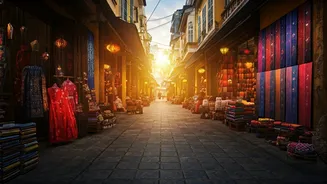
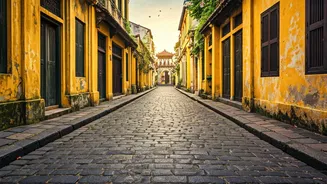
The headline's promise of "historic streets" comes alive in the Hanoi Old Quarter. [22] This labyrinthine network of 36 streets is the city's commercial and cultural nucleus. For centuries, each street was dedicated to a specific trade, like Hang Gai (Silk Street) or Hang Bac (Silver Street), and you can still feel this history today. [22] The best way to explore is to simply get lost, wandering through narrow alleys, discovering ancient temples like the Bach Ma Temple, and soaking in the chaotic, vibrant energy. [11, 22] Don't miss a walk around Hoan Kiem Lake, a serene oasis at the edge of the quarter, and cross the iconic red Huc Bridge to visit Ngoc Son Temple. [14, 22]
Beyond the Old Quarter: Colonial Charm
Adjacent to the Old Quarter is the French Quarter, which offers a starkly different, yet equally historic, experience. Here, the narrow alleys give way to broad, tree-lined boulevards and grand colonial architecture. [21, 24] Key landmarks include the magnificent Hanoi Opera House, the stately St. Joseph's Cathedral, and the historical Hoa Lo Prison relic. [7, 21, 25] A self-guided walking tour through this area reveals a different chapter of Hanoi's past, one of Parisian elegance and complex colonial history. Many of these buildings now house government offices, luxury hotels, and museums like the National Museum of Vietnamese History. [27]
A Culinary Pilgrimage
No trip to Hanoi is complete without indulging in its world-famous street food. The Old Quarter is a paradise for food lovers. Pull up a tiny plastic stool and enjoy a steaming bowl of pho (noodle soup), a crispy banh mi (Vietnamese sandwich), or bun cha (grilled pork with noodles). For a unique local experience, seek out a café serving ca phe trung, or egg coffee—a rich, creamy concoction of coffee and whisked egg yolk that tastes like a liquid tiramisu. Cafes like the famous Giang Cafe are a must-visit. [14] The weekend night market is another fantastic place to sample a wide variety of local snacks. [11]