






The Slow Demise of Static Pages
For decades, the product catalogue was the backbone of non-store retail. Whether a hefty book from a mail-order company or, more recently, a downloadable PDF on a brand’s website, its purpose was simple: to display products. But in an age of hyper-personalization
and instant gratification, the static, one-size-fits-all nature of a traditional catalogue feels outdated. It cannot respond to questions, demonstrate a product in motion, or offer the kind of authentic, peer-to-peer reassurance that modern consumers crave. Brands are realising that a glossy photo is no longer enough to drive sales when shoppers are accustomed to interactive, video-first experiences.
Enter the Human Catalogue
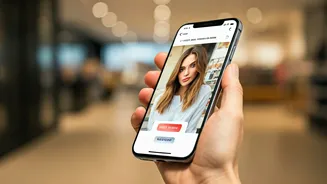
The new product discovery experience is dynamic, personal, and led by creators. This is not just influencer marketing; it's a fundamental shift known as social commerce or creator-led commerce. Instead of browsing a grid of images, consumers now watch a trusted creator unbox a product, style an outfit in a 'get ready with me' video, or demonstrate a kitchen gadget in a live stream. These formats blend entertainment with e-commerce, allowing viewers to see items in a real-world context, ask questions in real-time, and often click a link to purchase directly within the social media app. A creator's feed or storefront page becomes a curated, ever-evolving catalogue tailored to their audience's niche interests.
Why Trust Outweighs Glossy Photos
The core of this trend lies in one powerful currency: trust. Studies show that a vast majority of Indian consumers trust recommendations from peers and creators more than traditional brand advertisements. A creator builds a relationship with their followers over months or years, sharing personal stories and establishing credibility within a specific niche like skincare, finance, or parenting. When they recommend a product, it feels less like an ad and more like a genuine suggestion from a knowledgeable friend. This authenticity drives significantly higher conversion rates. Brands that once measured success in impressions are now chasing the deeper, more valuable metric of community trust.
The Engine: Technology and Live Commerce
This revolution is powered by technology. Social media platforms like Instagram, YouTube, and Facebook have integrated seamless shopping features, such as product tags in posts, shoppable video links, and dedicated creator storefronts. In India, the growth of live commerce—where creators host live video shopping events—has been explosive, with the market expected to grow exponentially. E-commerce giants like Myntra and Flipkart have also invested heavily in live shopping features, allowing hundreds of thousands of viewers to tune into a single event and make impulse purchases. This format is particularly effective in a mobile-first market like India, reaching consumers in Tier 2 and Tier 3 cities who may be new to online shopping.
The Blueprint for Indian Brands
Indian brands, from direct-to-consumer startups to established giants, are rapidly adopting this creator-first model. Companies like Mamaearth, boAt, and Nykaa built their empires by leveraging armies of micro and macro-influencers, turning authentic user reviews and tutorials into their primary marketing engine. Myntra's 'Style Squad' and Lenskart's creator collaborations have led to significant increases in sales and revenue. For these companies, creators aren't just a marketing channel; they are a distributed sales force, a product feedback group, and a content library all in one. By tapping into vernacular creators, brands are also able to build relevance and trust in diverse regional markets across India.