
Setting the Stage for a Sensory Journey
You don't need to be a certified sommelier to host a memorable tea tasting. The goal is connection and discovery, not perfection. Start by choosing a theme. You could compare teas from a single region, like Darjeeling, explore a single type, such as green
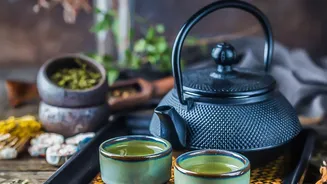
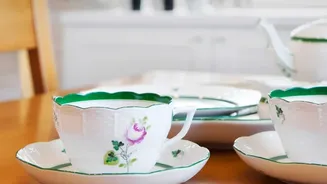
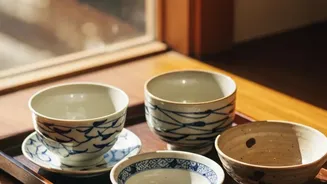
teas from different countries, or simply pick three to five varied teas that pique your curiosity. For a small group, you'll need minimal equipment: small matching cups, a kettle, a timer, and some neutral snacks like plain crackers to cleanse the palate between sips. Loose-leaf tea is ideal because it allows guests to see, smell, and appreciate the whole leaves before brewing, but good quality tea bags can also work. The key is consistency: brew each tea using the same amount of leaf, water volume, temperature, and steeping time to ensure a fair comparison.
The Ritual of Tasting
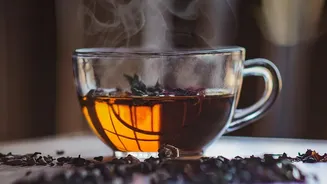
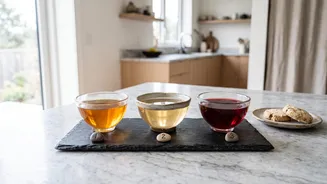
A tasting is a simple, structured process. First, invite your guests to observe the dry leaves, noting their shape, colour, and aroma. Once brewed, observe the 'liquor'—the brewed tea itself. Note its colour and clarity, from pale gold to deep amber. Before the first sip, take a moment to inhale the aroma rising from the cup. Much of what we perceive as flavour is actually smell. When you finally taste, slurp the tea lightly to spray it across your entire palate, engaging all your taste buds. Pay attention to the initial flavour, the feeling or 'mouthfeel' of the tea (is it smooth, thick, or drying?), and the lingering aftertaste, known as the 'finish'. Encourage everyone to jot down their impressions on a simple scorecard—no need for elaborate prose. A single word is often enough.
Decoding the Language of Flavour
When a tea is described as 'malty' or 'floral', it doesn't mean anything has been added. These notes refer to natural aromatic compounds in the tea leaves that remind us of other familiar scents and tastes. This is where the fun of discovery begins. Your personal memories and experiences shape your perception; a 'fruity' note to one person might be a specific 'ripe peach' note to another. A helpful tool for this is the tea flavour wheel, which organises descriptions from broad categories like 'fruity' or 'spicy' on the inside to more specific notes like 'stone fruit' or 'cinnamon' on the outside. It provides a shared vocabulary but isn't a test. If a tea reminds you of your grandmother's kitchen, that's a perfectly valid and useful tasting note.
Common Notes to Listen For
Different tea types are known for distinct flavour profiles, which can be a great starting point. Black teas, especially from Assam, are often described as 'malty', 'rich', and 'brisk'. Darjeelings are famous for their 'muscatel' or grape-like notes. Green teas, which are unoxidized, frequently have 'vegetal', 'grassy', or even 'marine' (seaweed-like) characteristics. Oolongs are incredibly diverse, ranging from 'floral' and 'creamy' to 'roasted' and 'nutty'. White teas are more subtle, with delicate 'floral' and 'honeyed' notes. And post-fermented teas like Pu-erh are known for their deep 'earthy' or 'woody' character.
Beyond Taste: Aroma and Mouthfeel
Flavour is more than what happens on your tongue; it's a combination of taste, aroma, and texture. Aroma plays a huge role. Before you sip, the scent prepares your brain for what's to come. After you swallow, volatile compounds travel to your nasal passage, creating a retro-nasal aroma that defines much of the tea's lingering character. Mouthfeel, meanwhile, describes the physical sensation in your mouth. Words like 'smooth', 'creamy', or 'velvety' describe a pleasant texture. Astringency, often mistaken for bitterness, is that drying, puckering sensation you might feel on your tongue, which can be a refreshing and desirable quality in many teas.