







From Ceremony to Cafe Staple
Before it was being frothed with oat milk, matcha was the centrepiece of traditional Japanese tea ceremonies for centuries. Unlike regular green tea, where you steep and discard the leaves, matcha is made from finely ground, shade-grown tea leaves. You
consume the entire leaf, which is whisked into hot water or, in its modern incarnation, milk. This process results in a richer, more concentrated flavour and a significantly higher caffeine and antioxidant content. The journey from a mindful, ceremonial beverage to a trendy cafe drink is a long one, but it explains the premium price tag. It's not just tea; it's a specific, labour-intensive agricultural product that carries a history of prestige.
The Allure of 'Healthy' Indulgence
One of the biggest drivers of matcha’s popularity is its powerful wellness narrative. For a generation increasingly wary of the jitters and anxiety associated with strong coffee, matcha offers a compelling alternative. It contains L-theanine, an amino acid that promotes relaxation and focus without drowsiness. This combination creates a state of 'calm alertness' that many coffee drinkers are seeking. Marketers and cafe menus lean heavily on this, positioning the matcha latte as a guilt-free indulgence. It's packed with antioxidants, is said to boost metabolism, and provides a gentle energy lift. For Gen Z, who prioritise wellness as a core part of their lifestyle, choosing a matcha latte over a sugary Frappuccino or even a standard cappuccino feels like an act of self-care.
An Aesthetic for the Digital Age
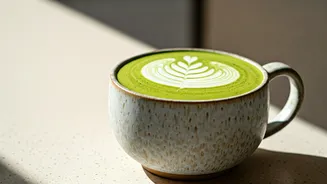
You can’t talk about Gen Z trends without talking about social media. The matcha latte, with its distinctive pistachio-to-emerald green hue, is incredibly photogenic. It pops against the minimalist aesthetic of modern cafes, looks great in a 'what I eat in a day' video, and serves as a colourful prop in an Instagram post. It’s a drink that was practically designed to go viral. The visual appeal is a huge part of its currency. Ordering a matcha latte isn't just about quenching thirst; it’s about participating in a global aesthetic. It signals that you are trendy, health-conscious, and have a sophisticated palate. In the digital world, where visual identity is paramount, the matcha latte is a powerful and delicious status symbol.
A Global Trend with a Local Twist
While the matcha craze is global, its adoption in India has its own unique flavour. In cities like Mumbai and Bengaluru, third-wave coffee shops and wellness-focused cafes were the first to add it to their menus. They presented it as an exotic, premium alternative for a clientele already familiar with global food trends. Now, it's trickling down to more mainstream establishments. Indian cafes are also experimenting, creating variants like iced matcha, rose matcha lattes, or even matcha-infused desserts. This localisation helps make the unfamiliar taste—often described as earthy, grassy, or umami—more accessible to the Indian palate, which typically leans towards bolder, spicier, and sweeter profiles. The high price point also positions it as an aspirational drink, a small luxury that fits perfectly into the urban Indian consumer's lifestyle.
So, Is Matcha Here to Stay?
Every food trend faces the same question: is it a fleeting fad or a future classic? While some may dismiss the matcha latte as the 'avocado toast' of beverages, its chances of sticking around are strong. Unlike purely aesthetic-driven trends, matcha is backed by a powerful wellness narrative and a genuine functional benefit (that 'calm alert' buzz). It fills a real gap in the market for a sophisticated, non-coffee caffeinated beverage. As more people acquire the taste for its unique flavour and experience its effects, it's likely to carve out a permanent spot on cafe menus, much like the cappuccino or the chai latte did before it. It has moved beyond novelty and is becoming a familiar choice for a new generation of cafe-goers.