






The New Workstation: From Cubicles to Coffee Plantations
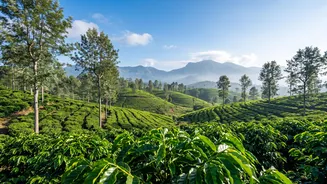
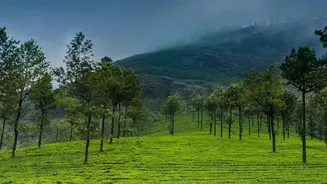
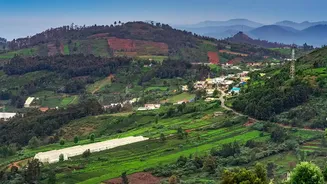
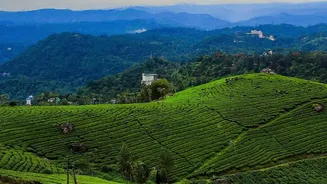
Imagine your office window opening not to a concrete cityscape, but to misty hillsides covered in coffee and spice plantations. This is the new reality in Kodagu (Coorg), a region long celebrated as the 'Scotland of India' for its serene landscapes. A
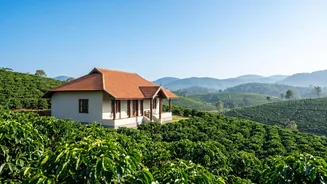
growing number of homestays, resorts, and even dedicated co-working spaces are now catering to a new kind of visitor: the remote worker. These aren't just tourists on a short holiday; they are professionals who have swapped their urban apartments for extended 'workations'. Establishments are retooling their offerings with dedicated desks, power backups, and the crucial ingredient that makes it all possible—a stable internet connection. Spaces like 'The Steel Box' in Ammathi, a co-working cafe built from shipping containers, offer desks with 360-degree views of the surrounding coffee plantation, a concept that was unthinkable just a few years ago.
The Fiber Optic Revolution in the Hills
For decades, patchy mobile signals and unreliable internet made working from remote areas like Coorg a frustrating dream. However, the recent rollout of high-speed fiber optic lines by providers like JioFiber, Airtel, and local operators such as SkyNet has been a game-changer. This infrastructure push, accelerated by India's broader digital transformation and a post-pandemic shift in work culture, is closing the digital divide. While operators still note that challenges like falling trees can cause occasional downtime, the availability of reliable, high-speed internet (with some stays guaranteeing 80 Mbps+ speeds) has unlocked the region's potential as a viable remote work destination. This technological leap allows professionals to handle video calls, manage large files, and stay connected to global teams from the heart of a plantation.
An Economic Blend for Estate Owners
For the owners of Coorg's famed coffee estates, this trend offers a vital new revenue stream. Traditionally dependent on the volatile prices of coffee and pepper, plantation owners can now diversify their income by catering to the long-stay remote worker. Hosting digital nomads provides a more consistent and predictable business model than seasonal tourism. These guests often stay for weeks or even months, paying for accommodation, food, and amenities. This shift allows estates to monetize their natural beauty and tranquility without converting agricultural land for large-scale construction. It's a form of economic adaptation, where the core asset—the peaceful plantation environment—is enhanced with technology to attract a high-value clientele that appreciates the unique blend of productivity and nature.
Why Nomads Are Choosing Coorg
So what's drawing the digital nomad community to Coorg? The appeal goes far beyond a good Wi-Fi signal. After years of being cooped up in cities, many Indian professionals are seeking a better work-life balance, fresh air, and a closer connection to nature. Coorg offers an idyllic setting for this. Unlike the crowded beaches of Goa or the bustling cafes of a metro city, it provides genuine peace and quiet. The ability to take a break from a work call and walk through a spice grove or watch the mist roll over the hills is a powerful draw. This environment fosters both productivity and well-being, a combination that urban co-working spaces struggle to replicate. The rise of a local community of remote workers also adds to the appeal, offering networking opportunities in a relaxed setting.
Balancing Progress with Preservation
While the influx of digital nomads brings economic benefits, it also raises important questions about sustainability. Coorg is an ecologically fragile region, and unchecked development has been a concern for years. The arrival of a new demographic could put pressure on local resources, infrastructure, and the unique Kodava culture. There is a risk that the very tranquility that attracts remote workers could be eroded by over-commercialization. Local stakeholders face the challenge of managing this growth responsibly, ensuring that the economic opportunities don't come at the cost of environmental degradation or cultural commodification. The long-term success of Coorg as a digital nomad hub will depend on finding a delicate balance between welcoming a new economy and preserving the heritage and natural beauty that make the region special.