

The Quarantine Imperative
The main reason for quarantining a new plant is biosecurity for your home. Even a plant that looks perfectly healthy at the nursery can harbor tiny pests like spider mites, mealybugs, scale, or thrips, not to mention their invisible eggs. Fungal and bacterial
diseases can also be present without showing immediate symptoms. These unwelcome guests can spread with alarming speed, turning one new addition into a collection-wide infestation that is difficult and stressful to eradicate. A dedicated quarantine period acts as a crucial buffer, giving you time to spot and address any issues before they have a chance to move to your other plants. This isolation period also allows the new plant to acclimate to your home's unique environment—its light, temperature, and humidity—without additional stress.
A Separate Start: Your Quarantine Zone
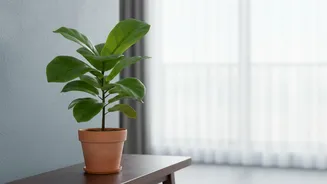
Setting up a quarantine station doesn't have to be complicated. The ideal location is a separate room from any of your other plants. This separation is critical because some pests, like fungus gnats, can fly, while others, like spider mites, can travel short distances on air currents. If a separate room isn't an option, find a spot that is as isolated as possible, maintaining a significant distance from your plant collection. The location should still provide the appropriate light for the new plant's needs. Placing a plant in a dark closet for weeks is not a viable quarantine strategy. Some people use a large, clear plastic bag to create a temporary greenhouse, but this must be done carefully to ensure adequate airflow and prevent the plant from overheating in direct sun. The quarantine period should last for a minimum of two to four weeks, with many experts recommending a more cautious four to six weeks to cover the life cycles of slower-developing pests.
Conducting a Thorough Inspection
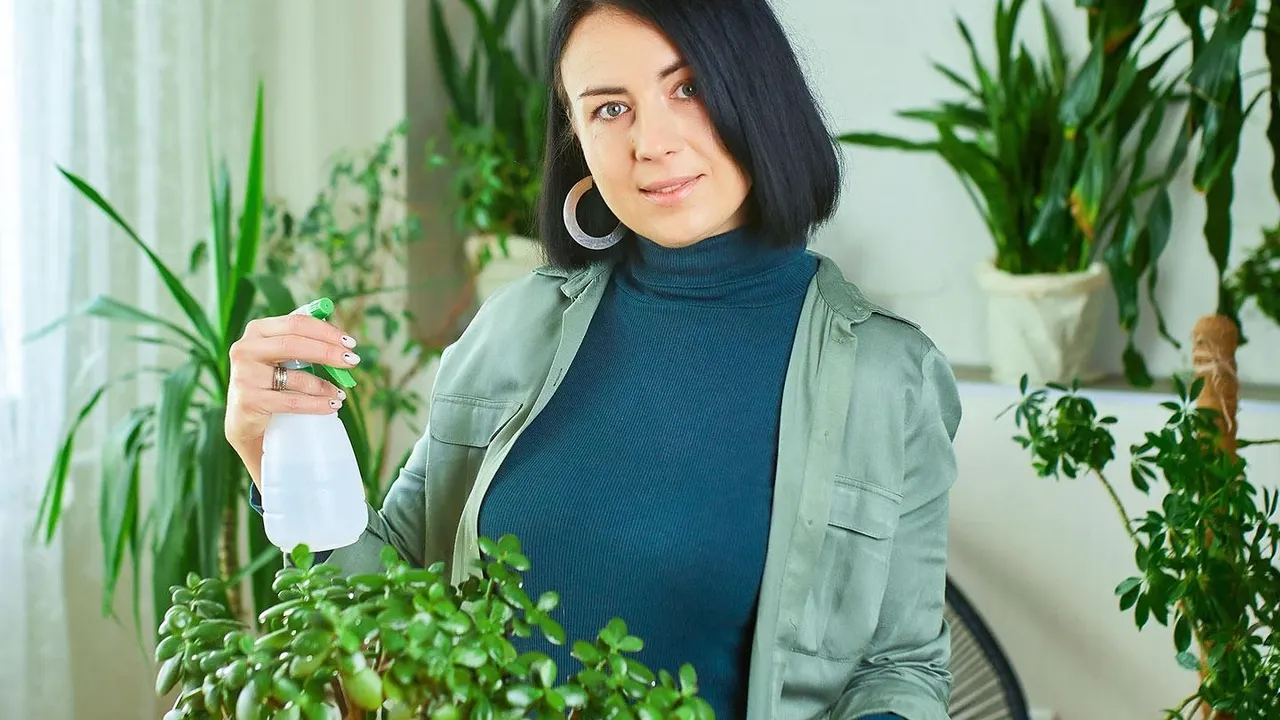
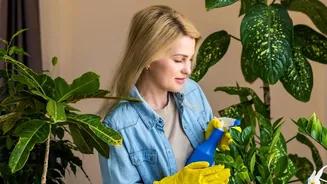
Once your plant is in its quarantine zone, it's time for a detailed inspection. Do this upon arrival and repeat it weekly. Examine every part of the plant. Look at the tops and undersides of all leaves for signs of trouble, such as silvery streaks (thrips), fine webbing (spider mites), or tiny bumps (scale insects). Check the stems and the points where leaves join the stem, as this is a common hiding place for pests like mealybugs, which look like small, white cottony fluff. Don't forget to look for discoloration, spots, or distorted new growth, which could indicate disease or viral issues. Any suspicious findings should be treated immediately with an appropriate insecticidal soap or neem oil solution while the plant remains in isolation.
Essential Soil and Pot Checks
Pests and problems don't just live on the leaves; they often start in the soil. Carefully examine the surface of the soil for any visible insects, mold, or unusual crusting. Gently move some of the topsoil around to check for fungus gnat larvae. Next, if the plant isn't too delicate, carefully slide it out of its nursery pot to inspect the root ball. Healthy roots are typically firm and white or light-colored. If you see dark, mushy, or foul-smelling roots, the plant may have root rot, often caused by overwatering and poor drainage. This is also your chance to see if the plant is "root-bound," with roots circling tightly at the bottom. While it's often best to let a plant acclimate before repotting, signs of severe root rot or a significant pest presence in the soil may warrant an immediate repotting into fresh, sterile potting mix and a clean pot.
Graduation Day: Joining the Collection
If your new plant has successfully completed its four-to-six-week quarantine with no signs of pests or diseases, congratulations. It is now ready to be introduced to the rest of your indoor garden. Before moving it to its final destination, give it one last thorough inspection. It's also a good practice to clean the leaves gently with a damp cloth to remove any dust or residue. When you place it among your other plants, continue to keep a close eye on it for another week or two, just as an extra precaution. This diligence may seem excessive, but it is the hallmark of a responsible plant owner. Protecting the health of your entire collection is always worth the initial effort of a well-executed quarantine.