
The Backbone of a Nation's Defense
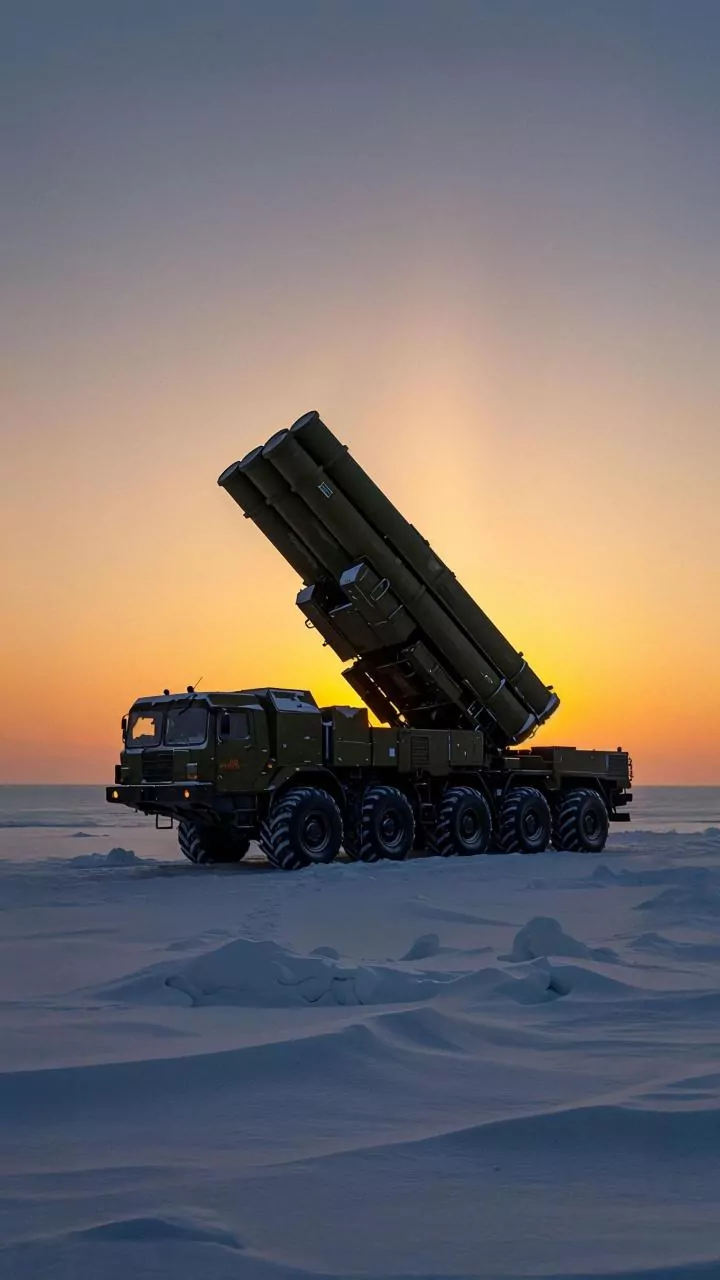
For decades, Iran has pursued a unique military strategy. Lacking a modern air force comparable to rivals like the US or Israel due to international sanctions, Tehran invested heavily in ballistic and cruise missiles. This arsenal forms the core of its
deterrence policy. The strategy is not to win a conventional war, but to make any attack on Iran punishingly expensive for the aggressor. By developing a credible threat of retaliation against regional military bases and infrastructure, Iran aims to deter potential strikes. The recent war has shown this doctrine in action, with missile barrages becoming Tehran's primary response. This reliance on missiles is a calculated move to level the playing field against technologically superior adversaries.
A Diverse and Deadly Arsenal
Iran commands the largest and most diverse missile arsenal in the Middle East. This force includes thousands of missiles with varying ranges and capabilities. Short-range systems like the Fateh-110 family and Shahab-1/2 are designed for tactical strikes on nearby targets. The medium-range missiles form the strategic core, capable of reaching Israel and parts of Eastern Europe. This category includes well-known systems like the Shahab-3, the solid-fueled Sejjil, and the more accurate Emad and Kheibar Shekan ('Castle Breaker') missiles. Iran has also developed land-attack cruise missiles, like the Soumar, and has reportedly worked on hypersonic missiles that are much harder to intercept. This variety gives Iran flexibility, from targeting troops on a battlefield to striking cities hundreds of kilometers away.
Underground 'Missile Cities'
A key element of Iran's missile strategy is survivability. To protect its prized arsenal from pre-emptive airstrikes, the Islamic Revolutionary Guard Corps (IRGC) has constructed a vast network of underground facilities, often dubbed 'missile cities'. These deeply buried complexes, some built into mountains, house not just the missiles themselves but also command centers, production lines, and launch systems. Some bases feature vertical launch shafts, allowing missiles to be fired directly from their hardened silos. Despite extensive bombing campaigns targeting these sites, their depth and dispersion have made them exceptionally difficult to destroy completely. Recent reports indicate that even when entrances to tunnels are bombed and sealed, Iran has been able to dig them out and restore operations, highlighting the resilience of this hardened infrastructure.
A Tool for Regional Power
Iran's missile capabilities are not just for self-defense; they are a primary tool of its foreign policy and power projection across the Middle East. Tehran has supplied missiles and related technology to its network of proxy forces, including Hezbollah in Lebanon, Houthi rebels in Yemen, and various militias in Iraq and Syria. This proliferation allows Iran to challenge its adversaries indirectly, create strategic depth, and bog down rivals in regional conflicts without engaging in direct state-on-state warfare. These groups use Iranian-supplied rockets and missiles to target countries like Israel and Saudi Arabia, as well as U.S. forces stationed in the region, effectively extending Iran's strategic reach far beyond its borders.
What the Conflict Has Revealed
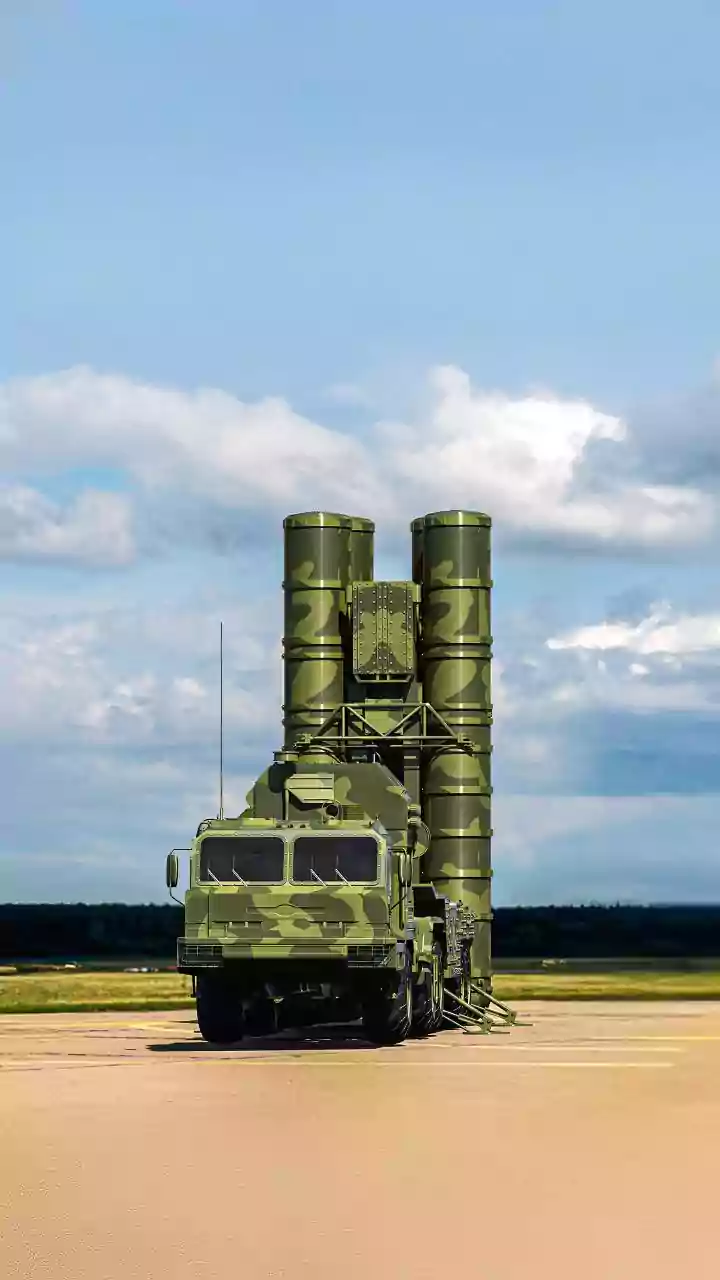
The ongoing war has served as a real-world test of Iran's missile infrastructure, with mixed but telling results. The conflict has demonstrated that Iran is willing and able to launch large-scale missile salvos against multiple countries simultaneously. While advanced air defense systems have intercepted many projectiles, a significant number have still penetrated defenses, causing damage and demonstrating the challenge of fending off a saturated attack. The war has also exposed the limitations of airstrikes in neutralizing Iran's underground 'missile cities', which have proven remarkably resilient. However, the conflict has also taken a toll, with attrition to launchers and missile stocks. The key question highlighted by the war is one of endurance: can Iran sustain its missile campaign and production under sustained pressure, and can its adversaries afford the high cost of perpetual defense against this persistent threat?