







First Steps: Registration and Dates
The journey to the holy cave begins long before you reach the Himalayas; it starts with timely registration. The Shri Amarnathji Shrine Board (SASB) manages the entire pilgrimage, and registration is mandatory for all. For the 2026 Yatra, which runs from
July 3rd to August 28th, advance registration opened on April 15th. You can register online through the official SASB website (jksasb.nic.in) or its mobile app. Alternatively, offline registration is available at 554 designated bank branches, including PNB, SBI, and YES Bank. The registration fee is a nominal ₹150 per person. Remember that permits are issued on a first-come, first-served basis and are specific to a route and date, so early planning is crucial. No pilgrim can start the trek without a valid Yatra Permit and a mandatory Radio-Frequency Identification (RFID) card, which is used for tracking and safety.
Health First: The Mandatory Medical Certificate
The Amarnath Yatra is a physically demanding trek at high altitudes, reaching up to 12,756 feet at the holy cave. To ensure pilgrim safety, the SASB requires every individual to obtain a Compulsory Health Certificate (CHC). This certificate must be issued by a doctor or medical institution authorized by the board. For the 2026 Yatra, the CHC must be dated on or after April 8, 2026. The form can be downloaded from the SASB website. There are strict age restrictions: pilgrims must be between 13 and 70 years old. Pregnant women with more than six weeks of pregnancy are not permitted to undertake the journey. This medical check is not a mere formality; it is a critical step to ensure you are physically fit for the strenuous conditions and low oxygen levels.
Choosing Your Path: Pahalgam vs. Baltal
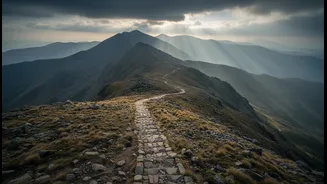
Pilgrims can reach the holy cave via two distinct routes: the traditional Pahalgam path or the shorter Baltal trail. The Pahalgam route is longer, spanning about 46-48 kilometres, and typically takes 3 to 5 days to complete. It is known for its scenic beauty and gradual ascent, making it the recommended choice for first-timers, families, and senior citizens. The journey starts from the Chandanwari base camp and passes through picturesque locations like Sheshnag and Panchtarni. In contrast, the Baltal route is much shorter at approximately 14 kilometres but is significantly steeper and more arduous. Fit and experienced trekkers can complete it in a single day. Your choice of route will be locked in during registration and determines the nature of your pilgrimage experience.
Physical Preparation and Packing Essentials
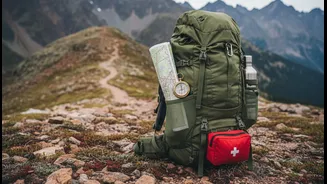
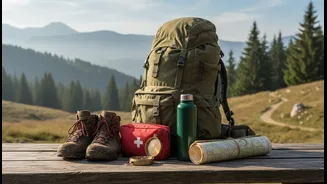
Physical fitness is non-negotiable for a safe yatra. It is highly recommended to start preparing at least a month in advance. A routine of brisk walking (4-5 km daily), jogging, and deep-breathing exercises like Pranayama can help improve stamina and oxygen efficiency. When it comes to packing, think warm, waterproof, and light. Essential clothing includes thermal wear, woollen socks, gloves, a waterproof jacket, and a windcheater, as temperatures can drop suddenly. Sturdy, waterproof trekking shoes with good grip are crucial. Other must-haves include a walking stick, a small backpack, a water bottle, sunscreen, and personal medications. Also, carry multiple copies of your Yatra Permit, Aadhaar card, and CHC.
Accommodation and Facilities on the Route
A network of facilities is available along both routes to support the pilgrims. The SASB and private operators set up tented accommodations at various camps like Nunwan, Sheshnag, Panchtarni, and Baltal. These provide basic but essential shelter with beds, mattresses, and blankets. Booking these in advance, especially during peak periods, is advisable. For those seeking more comfort, hotels and guesthouses are available at the main base towns of Pahalgam and Sonamarg. Numerous 'langars' (community kitchens) run by NGOs provide free vegetarian food and water to all pilgrims. Medical aid posts, oxygen booths, and emergency services are also set up every few kilometres along the trails.
During the Yatra: Safety and Etiquette
Once on the trail, always travel in a group and keep your RFID card visible at all times. Acclimatize properly to the altitude by taking regular breaks and staying hydrated. Do not over-exert yourself; if you feel symptoms of altitude sickness like dizziness or breathlessness, inform the nearest medical camp immediately. Stick to the designated paths and respect the fragile mountain environment by not littering. For ladies, a salwar kameez or trousers are more suitable and comfortable for the trek than a saree. Ponies, porters, and palanquins (palkis) are available for hire at government-notified rates for those who need assistance. Embrace the spirit of the journey, support fellow pilgrims, and immerse yourself in the divine atmosphere.