
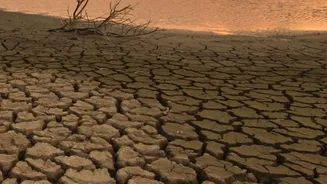
More Than Just a Weather Pattern
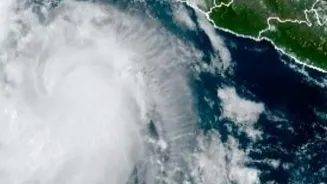
El Niño is a naturally occurring climate phenomenon marked by warmer-than-average sea surface temperatures in the Pacific Ocean. This warming disrupts global weather patterns, and for India, it has historically been linked to weaker monsoons, prolonged
dry spells, and more intense heatwaves. The World Health Organization (WHO) has already activated its highest-level emergency response, identifying India as a country facing 'high to very high' health risks. This isn't just about a few hot days; it's about a sustained shift in conditions that can strain our healthcare systems, impact food security, and endanger vulnerable populations from children to the elderly.
Direct Threats: Heat and Disease
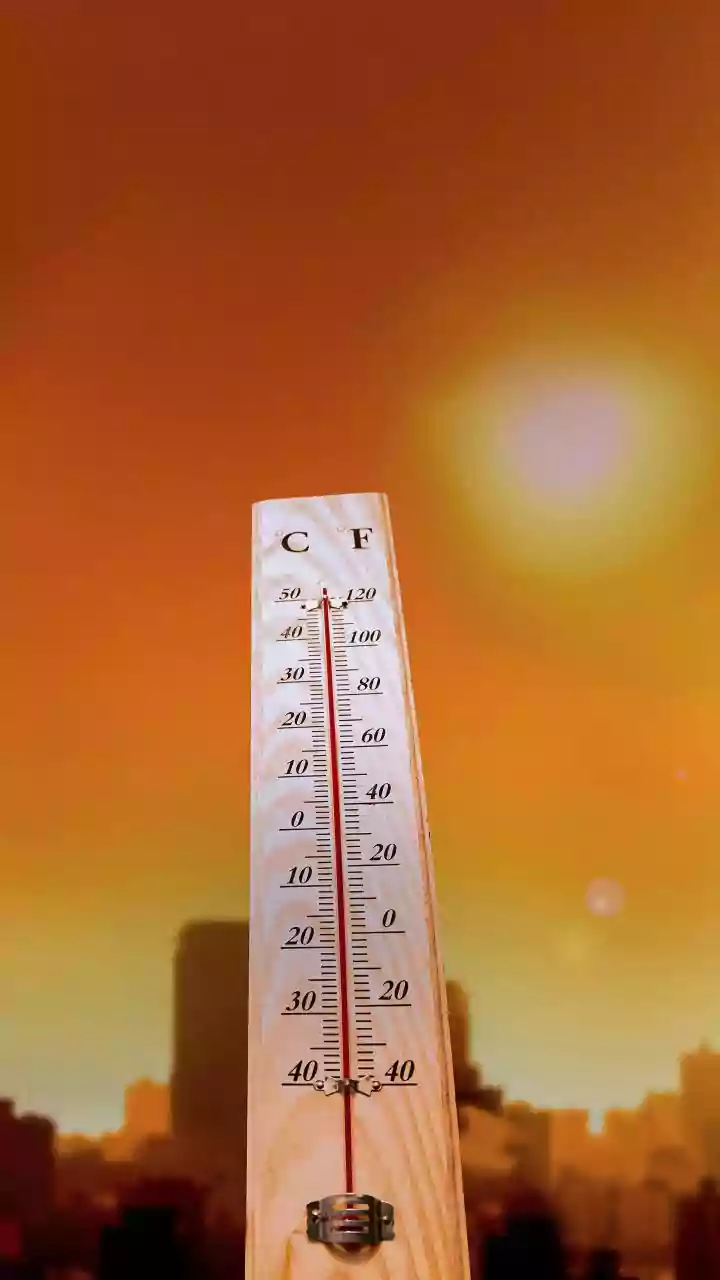
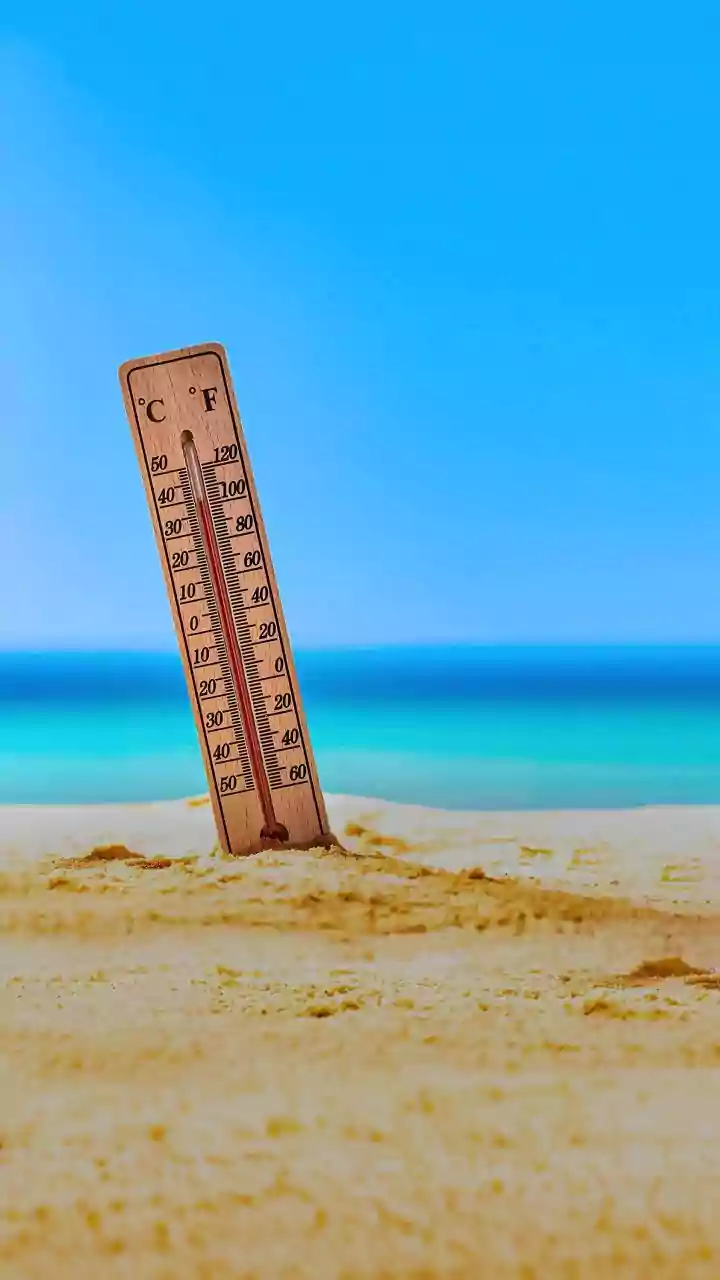
The most immediate health impact is extreme heat. Prolonged exposure can lead to dehydration, heat exhaustion, and life-threatening heatstroke. It also worsens existing conditions like cardiovascular, respiratory, and kidney diseases. But the ripple effects are just as dangerous. Warmer temperatures and erratic rainfall—with periods of drought followed by intense downpours—create ideal breeding grounds for mosquitoes. This accelerates the life cycles of vectors for diseases like dengue, malaria, and chikungunya, leading to surges in cases. Reports from 2026 already show spikes in Delhi and other areas, linking the unseasonal weather to rising vector-borne illnesses.
Indirect Crises: Water, Food, and Mental Health
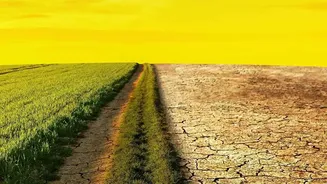
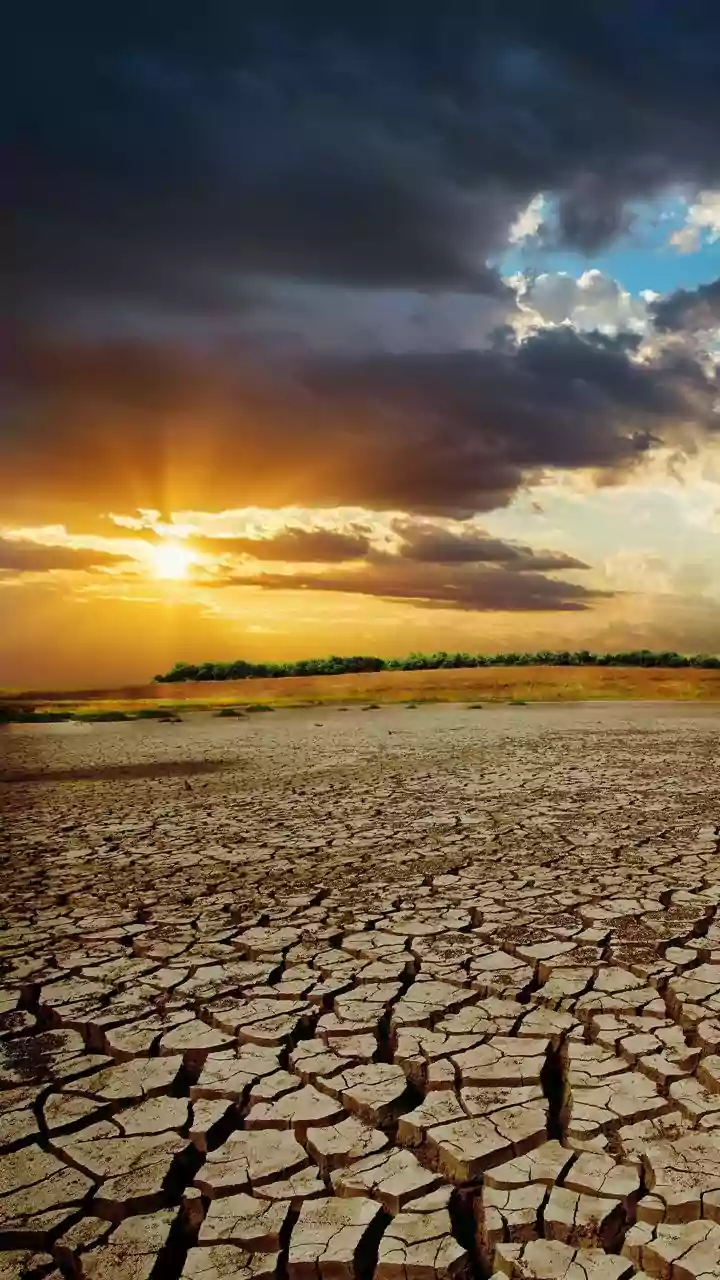
El Niño’s disruption of the monsoon threatens India’s agricultural backbone. Reduced rainfall can lead to water scarcity and drought, which not only impacts drinking water supplies but also causes crop failures. This directly fuels food insecurity and malnutrition, with children, pregnant women, and poor households facing the greatest risk. When water is scarce, people may turn to unsafe sources, increasing the risk of water-borne diseases like cholera and typhoid. Furthermore, the economic strain from lost livelihoods, displacement, and food shortages can contribute to significant psychological distress and worsen mental health conditions within affected communities.
The Blueprint for Preparedness
Responding to El Niño requires a proactive, multi-sectoral approach, not just a reactive one. The WHO and Indian health authorities stress the need for strengthening surveillance systems to track both climate data and disease outbreaks in real-time. This allows for early warnings that can guide preventive measures. India has frameworks like the National Programme on Climate Change and Human Health (NPCCHH) and state-level Heat Action Plans (HAPs). Effective planning means translating these policies into on-ground action. This includes training frontline health workers (like ASHA workers) to recognise and manage heat-related illnesses and vector-borne diseases, ensuring health facilities are resilient to extreme weather, and running public awareness campaigns on safe water storage and heat safety.