







Why Fibre is Your Friend
Dietary fibre is a type of carbohydrate that our bodies can't digest, but it plays a crucial role in our health. There are two main types: soluble fibre, which dissolves in water to form a gel, and insoluble fibre, which adds bulk to stool. Soluble fibre, found
in oats, beans, and apples, helps lower cholesterol and control blood sugar levels. Insoluble fibre, present in whole grains and vegetables, aids digestion and prevents constipation. A high-fibre diet is linked to numerous benefits, including maintaining a healthy weight, supporting heart health, and fostering a healthy gut microbiome. The Indian Council of Medical Research (ICMR) recommends about 25-30 grams of fibre daily, but many urban Indians get only about half of that.
The Fibre Heroes in Your Kitchen
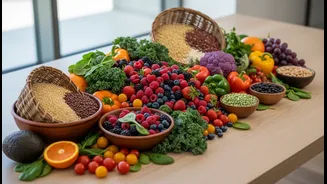
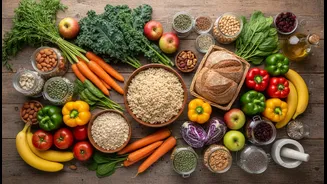
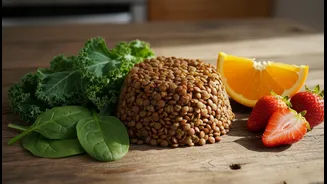
The good news is that Indian cuisine is brimming with fibre-rich ingredients. You don't need to look for exotic foods; the heroes are already on your pantry shelves. Pulses and legumes like chana (chickpeas), rajma (kidney beans), and all varieties of dal are fantastic sources. Whole grains are another powerhouse. Simply swapping white rice for brown or red rice, or using whole-wheat atta and millets like jowar, bajra, and ragi for rotis can significantly increase your fibre intake. Millets, in particular, are nutritional champions, offering 3-5 times more fibre and nutrients than refined grains like rice and wheat. Foxtail millet and bajra are especially high in fibre.
Vegetables, Fruits, and Seeds: The Fibre Finishers
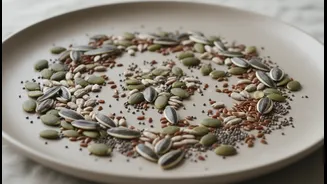
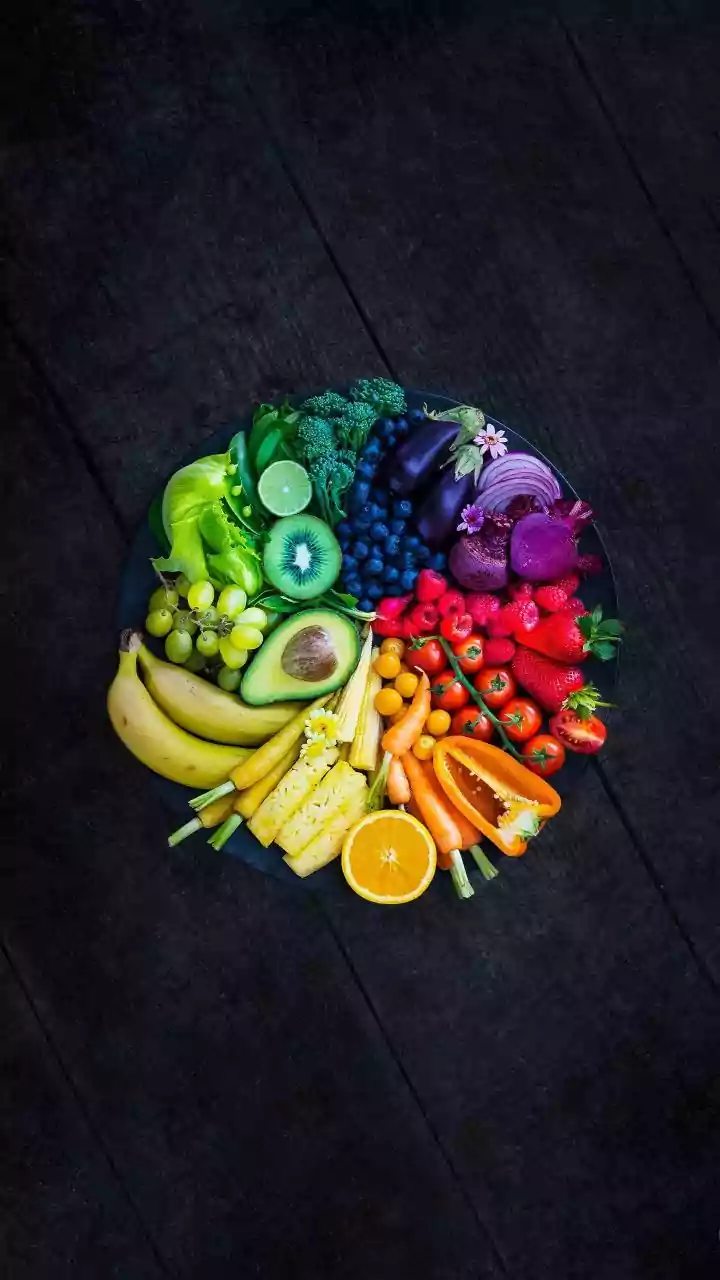
Vegetables are a cornerstone of a high-fibre diet. Everyday staples like bhindi (okra), green peas, carrots, sweet potatoes, and leafy greens such as spinach and methi are excellent choices. Aim to fill at least half your plate with a colourful assortment of vegetables, whether in a sabzi, sambar, or a simple kachumber salad. Fruits are also essential. Instead of fruit juice, eat the whole fruit to get all the fibrous goodness. Guava, apples, papaya, and bananas are great everyday options. Finally, don't forget nuts and seeds. A sprinkle of flaxseeds or sesame seeds on your yogurt or dal can add a subtle but effective fibre boost.
Simple Swaps for a High-Fibre Day
Increasing your fibre doesn't require a complete diet overhaul. It's about making small, consistent changes. Start your day with oats upma or a ragi dosa instead of items made with refined flour. For lunch and dinner, ensure your thali is balanced: include a dal or legume dish, a generous portion of sabzi, and a whole-grain or millet-based carbohydrate. For instance, a meal of bajra roti with a methi sabzi and a bowl of dal is a perfect combination of fibres. If you snack, choose roasted chana, a piece of fruit, or a handful of nuts over processed options. And remember to increase your water intake, as fibre needs water to work its magic in your digestive system.