



Understanding the Sawan Diet
The diet during Sawan, or Shravan, is traditionally sattvic, meaning it consists of simple, pure, and light foods believed to calm the mind and aid spiritual focus. This typically involves abstaining from non-vegetarian food, eggs, alcohol, onions, and garlic.
Grains like wheat and rice, lentils, and certain spices such as turmeric and garam masala are also avoided. Instead, the diet revolves around fruits, milk products, and specific fasting-friendly flours and grains. Rock salt, or sendha namak, is used instead of regular table salt. This approach is not just spiritual; it aligns with Ayurvedic principles that suggest digestion is weaker during the humid monsoon season, making lighter foods a practical choice.
Plan Your Pre-Fast Meal for Sustained Energy
If your fast permits a meal before sunrise, this is a crucial opportunity to fuel your body for the day ahead. Instead of heavy or fried foods, focus on complex carbohydrates and protein that release energy slowly. Options like sabudana (tapioca pearls), kuttu (buckwheat flour), or rajgira (amaranth flour) are excellent choices. A simple kuttu cheela, a bowl of sabudana khichdi with peanuts, or a milkshake with nuts and seeds can provide sustained energy. Paneer and dairy products like curd and milk are also great sources of protein that help you feel full and maintain energy levels. A handful of soaked almonds or walnuts is another easy and effective way to start your fasting day.
Hydration is Your Best Friend
The monsoon humidity during Sawan can lead to dehydration, which causes fatigue and headaches. It's essential to stay hydrated, especially if you are fasting. Water is the best choice, but you can also include other hydrating beverages. Coconut water is an excellent option as it naturally replenishes electrolytes. Fresh fruit juices (without added sugar or preservatives), buttermilk, and milk are also beneficial. It's advisable to avoid caffeine and sugary packaged drinks, as they can contribute to dehydration.
Breaking the Fast Mindfully
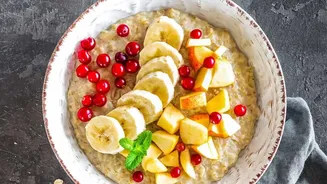
After a day of fasting, it can be tempting to indulge in a large, heavy meal. However, this can shock your system and lead to bloating and lethargy. It is better to break your fast gently. Start with a glass of water or a few dates to rehydrate and provide an instant, natural energy boost. Follow this with light, easily digestible foods. A bowl of fruit salad, some yogurt, or a glass of milk are good starters. For the main meal, opt for dishes like a simple potato curry (aloo sabzi) made with rock salt, served with rajgira or kuttu pooris. Samak rice (barnyard millet) pulao or khichdi is another light yet satisfying option.
Smart Snacking to Beat Hunger Pangs
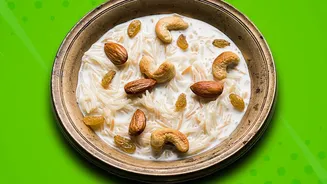
If you feel your energy dipping between meals, having healthy snacks on hand is key. Roasted makhana (fox nuts) are a fantastic choice as they are light, crunchy, and filling. A mix of dry fruits and nuts like almonds, walnuts, and cashews provides a quick source of energy and healthy fats. Fruits are always a reliable and refreshing option. Planning these snacks in advance can prevent you from reaching for packaged or deep-fried vrat snacks, which can make you feel sluggish.