



As winter arrives, a familiar debate enters Indian kitchens: is it safe to eat curd? This beloved staple is often feared to cause colds and coughs in chilly weather. But is this age-old belief true, or are you missing out on vital nutrients?
The Great Winter Debate
For generations,
many have been advised to avoid dahi (curd) as temperatures drop. The common belief is that curd, being a 'cooling' food, can lead to respiratory issues like colds, coughs, and an increase in mucus. This idea is so ingrained that many households banish it from the dining table until warmer days return. However, modern nutrition and even some interpretations of Ayurveda challenge this long-held notion, suggesting that we might be looking at this dairy powerhouse all wrong.
A Nutritional Powerhouse for All Seasons
From a scientific standpoint, curd is a nutritional superstar that your body can benefit from year-round. It's packed with high-quality protein, calcium for bone health, and essential vitamins like B2 and B12. More importantly, curd is a rich source of probiotics—the 'good' bacteria that are crucial for maintaining a healthy gut. A strong digestive system is the foundation of robust immunity, which is especially important during winter when the risk of infections is higher. Studies have even suggested that the probiotics in fermented dairy products may help reduce the risk and duration of upper respiratory infections.
The Ayurvedic Perspective Is Nuanced
Ayurveda's view on curd in winter is more complex than a simple 'yes' or 'no'. Traditional Ayurvedic texts suggest that curd can increase 'Kapha' dosha, which is associated with mucus and coldness. This is why it's often advised against, particularly at night or for individuals who already have respiratory conditions like asthma or frequent colds. However, some Ayurvedic interpretations also note that curd has a heating potency ('Ushna Virya'), which can be beneficial in winter when the digestive fire ('Agni') is strong. The key takeaway from Ayurveda is not complete avoidance but mindful consumption. It recommends eating curd during the daytime and balancing its properties with warming ingredients.
Modern Medicine's Verdict
Most doctors and nutritionists agree that for healthy individuals, there is no reason to avoid curd in winter. The idea that eating curd causes a cold is a myth; colds and flu are caused by viruses, not food. While some people may feel that dairy products make existing phlegm feel thicker, this is an individual sensitivity and doesn't mean curd is creating an infection. Experts confirm that the benefits of probiotics and other nutrients in curd for boosting immunity far outweigh the perceived risks.
How to Enjoy Curd Smartly in Winter
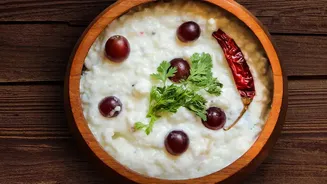
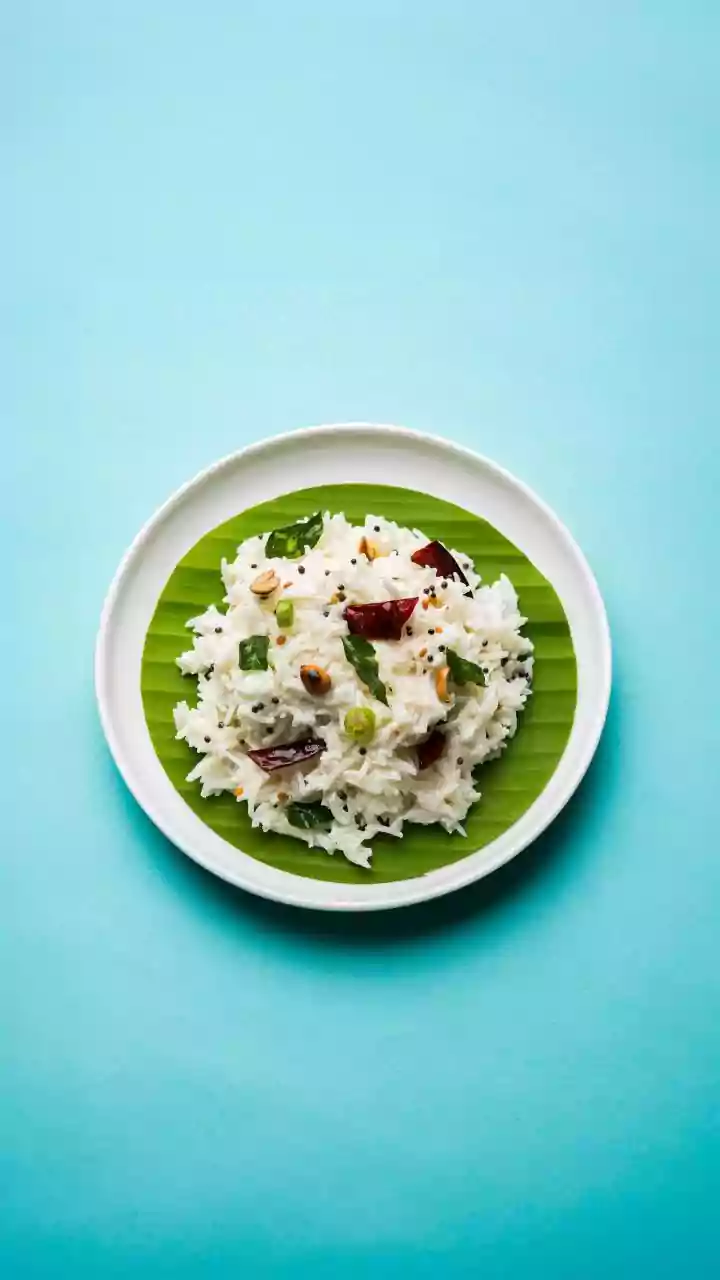
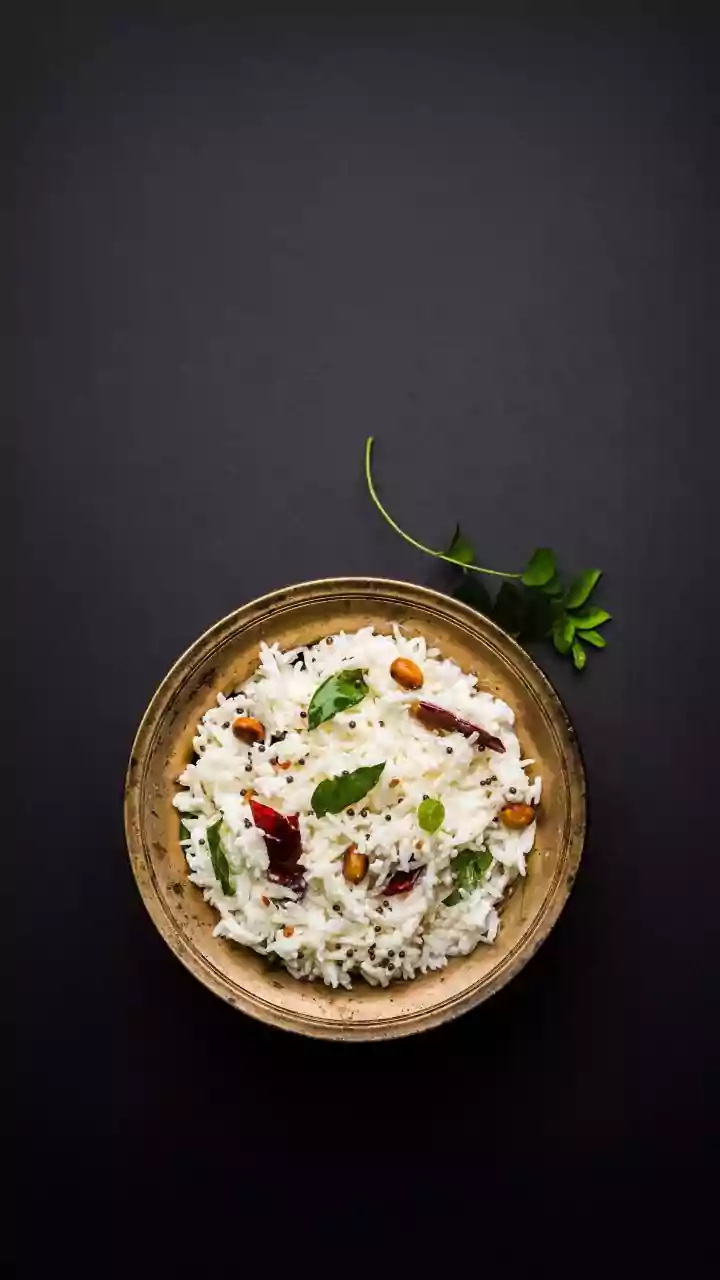
Instead of giving up curd entirely, a few simple adjustments can make it a winter_friendly food. The most important rule is to avoid consuming it cold, straight from the refrigerator, as cold foods can irritate the throat. Always allow your curd to come to room temperature before eating. The best time to have it is during the day, preferably with your lunch. To counter its cooling nature, you can add warming spices like roasted cumin powder, black pepper, or a pinch of ginger. Incorporating curd into warm dishes like kadhi, curd rice, or as a base for sauces is another excellent way to enjoy its benefits without any worry.